With How to Use Focus Stacking for Sharp Images at the forefront, this technique opens a new realm of possibilities for photographers seeking unparalleled sharpness and detail in their images. Focus stacking allows the merging of multiple photographs taken at different focal points, resulting in a final image with exceptional depth of field, making it an invaluable tool for macro and landscape photography alike.
This method not only enhances image clarity but also enables photographers to overcome the limitations of traditional depth of field. As we delve into the intricacies of focus stacking, you will discover essential equipment, preparation strategies, capturing techniques, and post-processing tips that can elevate your photography to new heights.
Introduction to Focus Stacking
Focus stacking is a photographic technique that combines multiple images taken at different focus distances to create a single image with a greater depth of field. This method is essential for achieving sharpness across an entire scene, particularly where conventional lenses might struggle to keep all elements in focus simultaneously. Focus stacking is becoming increasingly prevalent in various genres of photography due to its ability to enhance the clarity and detail of images.The basic principle of focus stacking involves capturing a series of images, each with a different focal point, and then merging these images using specialized software.
By doing so, photographers can ensure that every part of the composition, from the foreground to the background, is rendered in sharp detail. This technique is especially indispensable in scenarios such as macro photography, where subjects are very close to the lens, and the depth of field is inherently shallow. Additionally, it is beneficial in landscape photography, where expansive scenes often require sharpness from the foreground elements to the distant horizon.
Applications of Focus Stacking
Focus stacking proves particularly useful in several photographic applications, allowing photographers to achieve results that would be challenging through standard methods. The following are key areas where focus stacking excels:
- Macro Photography: In macro photography, where the subject is often only a few centimeters away from the camera, achieving sufficient depth of field can be challenging. Focus stacking allows photographers to capture multiple images at various focus points, ensuring that both intricate details of the subject and the surrounding elements are sharply in focus. For example, photographing a flower with delicate petals may require stacking images taken at different focal distances to highlight the texture and detail of both the stamen and the petals.
- Landscape Photography: Landscapes can often present vast scenes requiring depth from the foreground to the background. By employing focus stacking, photographers can take images focused on various points in the scene—from the close-up rocks in the foreground to the distant mountains—thereby ensuring that the entire composition remains sharp. This is particularly useful during sunrise or sunset when lighting conditions may vary.
- Product Photography: In product photography, where clarity and detail are vital for showcasing items, focus stacking can enhance the overall presentation. For instance, when photographing a watch, utilizing focus stacking allows the photographer to ensure the watch’s face and intricate details are in sharp focus, along with other elements in the scene, such as a reflective surface or backdrop.
- Architectural Photography: Architectural photographers often need to capture the complete structure, from the foreground elements like door frames to distant rooftops. Focus stacking ensures that all parts of the building are presented sharply, providing an accurate representation of the architecture.
The technique of focus stacking enables the creation of images with exceptional clarity across all focal planes, transforming conventional photography into a realm of unlimited possibilities.
Equipment Needed for Focus Stacking
To achieve remarkable results with focus stacking, possessing the right equipment is essential. This technique involves capturing multiple images with varying focus points and combining them to create a single, sharp image. Therefore, understanding the necessary tools will greatly enhance your photographic outcomes.The primary equipment required for effective focus stacking includes a camera, specific types of lenses, and accessories that ensure stability and precision during shooting.
The following components are crucial:
Essential Camera Gear
A reliable camera setup plays a vital role in focus stacking. The following items are recommended:
- Camera Body: A digital single-lens reflex (DSLR) or mirrorless camera is ideal due to their interchangeable lenses and high image quality.
- Macro or Wide-Angle Lenses: Macro lenses are particularly beneficial for close-up photography, while wide-angle lenses are excellent for landscape shots where depth of field is crucial.
- Tripod: A sturdy tripod is essential for keeping the camera stable during the capture of multiple images. This minimizes motion blur and ensures uniformity in framing.
- Remote Shutter Release: This tool allows you to take photos without physically touching the camera, reducing the risk of camera shake and ensuring that each shot is as consistent as possible.
The combination of these tools enables photographers to capture a range of images with precise focus adjustments, leading to sharper and clearer final compositions.
Software for Stacking Images
Post-capture, specialized software is needed to blend the images captured for focus stacking. Various software options offer unique features that cater to different user preferences and requirements. A selection of popular software includes:
- Adobe Photoshop: This widely used software includes a focus stacking feature that seamlessly merges multiple images into one sharp photograph.
- Helicon Focus: Known for its advanced algorithms, Helicon Focus provides effective depth of field blending with tools for correcting distortions.
- Affinity Photo: An affordable alternative to Photoshop, this software offers powerful stacking capabilities with an intuitive interface for ease of use.
Each software option provides distinct functionalities, allowing photographers to choose according to their specific needs and expertise levels. Utilizing the appropriate tools and software will significantly enhance the focus stacking process, resulting in stunning, high-quality images.
Preparing for a Focus Stacking Session
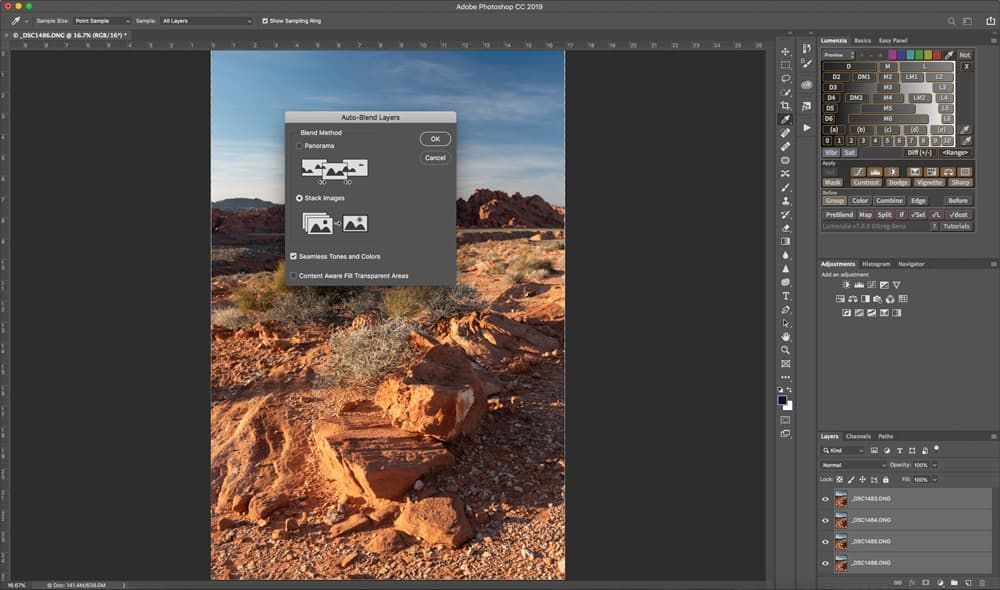
To achieve stunning images with enhanced depth of field, meticulous preparation is essential before diving into a focus stacking session. This phase includes selecting the ideal subject, setting up the scene, and ensuring your camera settings are optimized for excellent results. With the right planning, photographers can capture images that exhibit remarkable sharpness from the foreground to the background.
Choosing the Right Subject and Setting Up a Scene
Selecting an appropriate subject is a critical first step in focus stacking. This process is particularly effective for macro photography, landscapes, and product photography where intricate details are paramount. When setting up a scene, consider the following:
- Identify a focal point: Choose a subject that possesses interesting textures or features, such as flowers, insects, or intricate objects, to highlight the capabilities of focus stacking.
- Compose your shot: Arrange elements in the frame to create a visually appealing composition, ensuring that your subject is well-positioned within the context of the background.
- Stabilize your setup: Use a sturdy tripod to eliminate camera shake, which is critical for achieving sharp images, especially in macro photography where even the slightest movement can cause blurriness.
Camera Settings for Optimal Focus Stacking
In order to effectively utilize focus stacking, setting up your camera with the proper settings is vital. The following settings are typically recommended:
- Aperture: Use a small aperture (high f-stop number) to maximize depth of field. This ensures more of the scene is in focus, reducing the number of images required for stacking.
- ISO: Keep the ISO as low as possible to minimize noise, which becomes more prominent in images with extensive editing.
- Shutter Speed: Select a shutter speed that complements the aperture and ISO settings, ensuring adequate exposure without introducing motion blur.
- Manual Focus: Utilize manual focus to precisely control focus points in the scene, allowing for a structured approach to focus stacking.
Lighting and Background Considerations
Lighting plays a pivotal role in the quality of your images, influencing the visibility of details and the overall mood. Consider the following tips for effective lighting:
- Natural Light: Utilize soft, diffused natural light, such as that found on overcast days, to reduce harsh shadows and enhance texture without overwhelming brightness.
- Artificial Lighting: If natural light is insufficient, consider using softbox lights or LED panels to create even illumination across your subject.
- Background Selection: Choose a background that complements your subject without causing distractions. Neutral colors or softly blurred backgrounds can help maintain focus on the subject.
“A well-prepared setup not only enhances the technical aspects of photography but also elevates the artistic expression captured in each image.”
By carefully considering these elements, photographers can create a conducive environment for focus stacking, leading to breathtaking, sharply detailed imagery that truly stands out.
Capturing Images for Focus Stacking
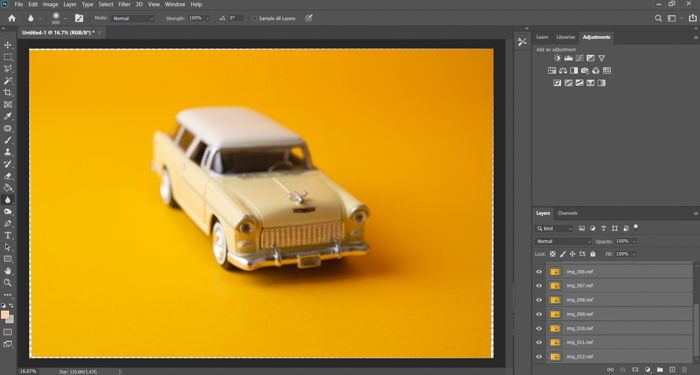
Capturing images for focus stacking is a fundamental step that significantly impacts the final result. This process involves taking multiple images of the same scene at different focal points, ultimately creating a composite image with enhanced depth of field. It is essential to approach this task with a clear understanding of the necessary techniques to ensure consistency in framing and exposure across the series of images.To begin with, taking multiple images at varying focal points requires careful planning and execution.
The first step is to determine the depth of field required for the specific subject. Once the subject is set up, the photographer should start by focusing on the nearest point of interest and then gradually shift the focal point further back in the scene. This progression should continue until the furthest point of interest is in focus.
Techniques for Consistent Framing and Exposure
Ensuring consistency across the captured images is crucial for a seamless composite. Here are key techniques to maintain uniform framing and exposure throughout the shooting process:
Use a Tripod
A sturdy tripod prevents any movement of the camera, maintaining the same framing across all images. This setup is essential for achieving accurate alignment during post-processing.
Manual Mode Settings
Set your camera to manual mode to lock in exposure settings such as aperture, shutter speed, and ISO. This prevents any fluctuations in exposure that could occur if the camera were set to automatic modes.
Use a Remote Trigger
A remote shutter release helps eliminate camera shake, which can occur when pressing the shutter button manually. This ensures the camera remains perfectly stable and framed throughout the capture.
Focus Increment Adjustment
Use the focus adjustment feature on your camera or lens to make precise changes to the focal point. Incremental adjustments are vital to ensure that each image overlaps adequately with the previous one, making the blending process in post-editing smoother.
“Consistency in framing and exposure is key to achieving a flawless focus-stacked image.”
By employing these techniques, photographers can effectively manage the intricacies of focus stacking, leading to stunning images with razor-sharp detail across the entire scene.
Post-Processing Focus Stacked Images
Post-processing is a vital phase in the focus stacking workflow, as it allows photographers to compile and refine their images in order to achieve maximum sharpness and detail. This step ensures that the final image not only showcases the depth of field but also maintains overall visual integrity. The process involves several stages, including importing images, aligning and blending them, and enhancing the final result.
Importing Images into Focus Stacking Software
The initial step in post-processing focus stacked images is the importation of your captured photos into suitable stacking software. This software is designed to facilitate the intricate process of aligning and merging multiple images seamlessly. To effectively import images, follow these steps:
1. Open the focus stacking software
Launch the chosen software, such as Adobe Photoshop, Helicon Focus, or Zerene Stacker.
2. Create a new project
Select the option to create a new project or stack.
3. Import images
Use the import function to select and load the images captured during your focus stacking session. Make sure to select all relevant images to ensure complete depth coverage.
4. Review images
After import, review the images within the software to confirm they are correctly loaded and in the right order.
5. Organize layers
If necessary, organize imported images into a dedicated folder or layer stack for ease of handling during the alignment and blending processes.
Aligning and Blending Images for a Final Stacked Result
Once the images are imported, the next step is to align and blend them to create a seamless final image. The alignment process ensures that all images are perfectly registered, which is crucial for effective blending. The following steps Artikel how to align and blend your images:
1. Automatic alignment
Most focus stacking software will provide an automatic alignment feature. Use this function to ensure all images are aligned based on common points.
2. Manual adjustments
If the automatic alignment is not perfect, manually adjust the layers by using tools such as rotation and translation to achieve an optimal fit.
3. Blending images
After alignment, use the blending function within the software. This may involve selecting different blending modes or opacity settings to achieve a natural look.
4. Preview the result
Most software allows you to preview the stacked image. Take this opportunity to assess the blend and make any necessary adjustments to the transparency or settings.
5. Finalization
Once satisfied with the alignment and blend, finalize the image by applying the changes, and save it in your desired format.
Refining and Enhancing the Final Image After Stacking
After successfully stacking the images, refinement and enhancement of the final output are essential for achieving a polished look. This process can significantly elevate the quality of the image, bringing out details and vibrancy.Consider the following techniques for refining your image:
Color correction
Adjust the color balance, saturation, and contrast to improve the overall color accuracy and vibrancy.
Sharpness enhancement
Use sharpening tools to enhance the fine details without introducing unwanted noise or artifacts.
Noise reduction
If the stacking process has introduced noise, particularly in higher ISO images, apply noise reduction filters to smooth out the image.
Cropping and resizing
Crop the image to improve composition and focus attention on the subject. Ensure to maintain the necessary resolution for your intended output.
Additional adjustments
Utilize filters or layer adjustments for specific enhancements, such as adding vignette effects or adjusting brightness levels.By meticulously following these steps in post-processing, photographers can ensure that their focus stacked images are not only sharp but also visually appealing and true to the captured scene.
Common Challenges and Solutions
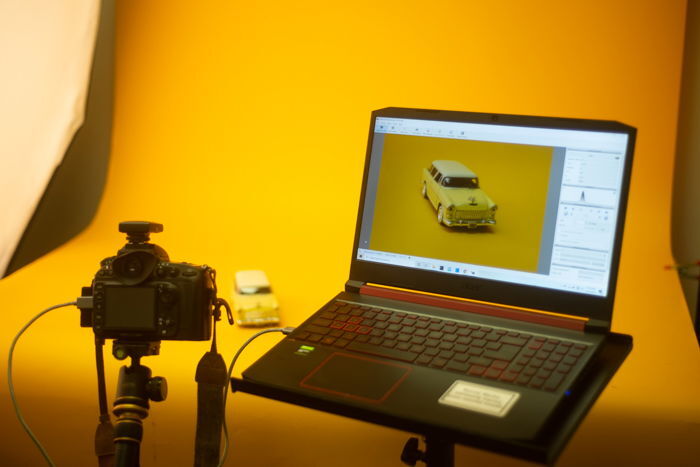
In focus stacking, photographers often encounter several challenges that can affect the quality and effectiveness of their images. Understanding these common issues and their solutions is essential for achieving the desired sharpness and clarity in the final photograph. This section addresses prevalent challenges and offers practical solutions to ensure high-quality results when using focus stacking techniques.
Alignment Problems
One of the most frequent challenges faced during focus stacking is alignment issues. Even minor discrepancies between images can lead to blurred or misaligned stacked results. To mitigate these problems, consider the following troubleshooting tips:
- Use a Sturdy Tripod: Ensuring your camera remains stable throughout the shooting process is paramount. A robust tripod minimizes movement between shots and greatly enhances alignment.
- Employ a Focus Rail: A focus rail allows for fine adjustments of the camera’s position, ensuring precise control over the focus increments when capturing images.
- Use Software for Alignment: Many post-processing programs, such as Adobe Photoshop and Helicon Focus, include features specifically designed to automatically align images. These tools can help correct minor misalignments during stacking.
Noise in Images
Noise can become more pronounced in images taken for focus stacking, particularly when using a high ISO setting or longer exposure times. To address noise effectively, consider these approaches:
- Lower ISO Settings: Always aim to use the lowest ISO possible to reduce noise. This can be achieved by using longer exposure times and proper lighting techniques.
- Utilize Noise Reduction Software: Advanced editing tools such as Lightroom and Denoise AI can significantly reduce noise in images while preserving detail and sharpness.
- Capture Images in RAW Format: Shooting in RAW provides greater flexibility for post-processing, allowing for more effective noise reduction without compromising image quality.
Natural Look in Stacked Images
Achieving a natural look in the final stacked image is crucial, as excessive processing can lead to an artificial appearance. Here are some strategies to maintain a realistic outcome:
- Select Appropriate Focus Points: Choose focus points that are essential for the composition. This helps in maintaining depth while ensuring the background remains soft and unobtrusive.
- Limit the Number of Images: Over-stacking can cause unnatural sharpness. Aim for just enough images to cover the depth of field needed without going overboard.
- Fine-Tune Blending Techniques: Use layer masks and opacities in post-processing to blend images together more naturally. This allows for smoothing transitions between sharp and soft areas.
“Focus stacking enhances depth of field, but achieving a natural look requires careful attention to detail and processing techniques.”
Advanced Techniques in Focus Stacking
Focus stacking is a powerful technique that allows photographers to achieve stunning depth of field and sharpness in their images. Beyond its traditional applications, focus stacking can be enhanced by integrating it with other photographic techniques and exploring creative avenues. The following sections delve into the interplay between focus stacking and HDR, innovative uses in various photography genres, and how this technique can be pushed further for unique outcomes.
Integration with HDR Techniques
When combined with High Dynamic Range (HDR) imaging, focus stacking can produce photographs that not only have extensive depth of field but also retain detail across a broad range of tones. This integration is particularly valuable in scenes where both the foreground and background require sharpness, and where lighting conditions vary significantly.The process involves capturing multiple exposures for both focus stacking and HDR.
Photographers should ensure that they maintain consistent focus points while adjusting exposure settings to cover highlights, midtones, and shadows effectively. The resulting images are then merged in post-processing software, allowing for a final image that showcases both sharpness and detail in contrast-rich environments.
Creative Applications Beyond Traditional Uses
Focus stacking lends itself well to creative applications that extend beyond conventional landscapes or macro photography. The technique can be utilized in various artistic pursuits, such as:
- Product Photography: Achieving sharp focus on intricate details while maintaining a blurred background can enhance product presentation, making items stand out effectively against any backdrop.
- Architectural Photography: Capturing the entirety of a structure from foreground to background ensures all architectural details are sharp, which is essential for photography that aims to showcase design elements.
- Gastronomy Photography: For food photography, focus stacking allows for an emphasis on texture and detail in multiple layers of a dish, making the final image more appealing and appetizing.
In these creative applications, the key is to explore how focus stacking can contribute to the narrative of the photograph, adding depth and clarity that engages viewers effectively.
Experimentation Across Various Genres
The potential of focus stacking extends into many photography genres, inviting photographers to experiment and innovate. Some notable areas include:
- Portrait Photography: By using focus stacking techniques, photographers can create captivating portraits that highlight facial features while softening the background, establishing a strong focal point.
- Astrophotography: Combining focus stacking with multiple exposures can produce stunning celestial images that maintain focus on both the night sky and terrestrial elements, such as landscapes or silhouettes of trees.
- Wildlife Photography: In wildlife settings, focus stacking can help capture birds or other animals in a rich environment, where depth and detail can contribute to the storytelling aspect of the image.
These explorative methods not only enhance the technical quality of images but also inspire a creative approach to utilizing focus stacking, allowing for a broader expression in photography. The versatility of this technique can empower photographers to push the boundaries of their work, creating visually striking images that resonate with audiences.
Closing Summary
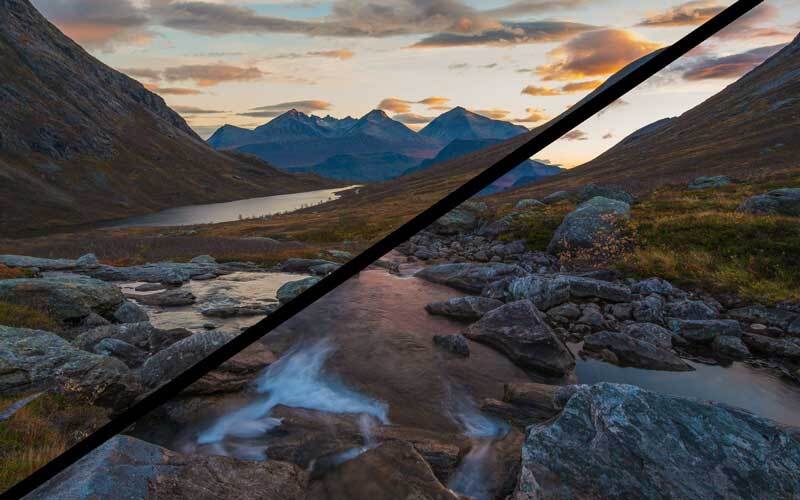
In conclusion, mastering How to Use Focus Stacking for Sharp Images empowers photographers to create stunning visuals that maintain sharpness from foreground to background. By understanding the process from equipment selection to post-processing, you can overcome common challenges and explore advanced techniques to enhance your creative vision. Embrace focus stacking, and watch as your photography transforms, capturing details that might have otherwise gone unnoticed.