How to Use Filters for Landscape Photography sets the stage for this enthralling narrative, offering readers a glimpse into a story that is rich in detail and brimming with originality from the outset. Filters play a crucial role in transforming ordinary landscape images into captivating visual experiences, enhancing color saturation, reducing glare, and balancing exposure. As photographers, understanding the variety of filters available and their proper application can significantly elevate the quality of our work.
Importance of Filters in Landscape Photography
Filters play a crucial role in landscape photography by allowing photographers to control various elements of exposure and color. They enhance the overall quality of images, enabling the depiction of landscapes in their most vibrant and dynamic forms. By manipulating light and enhancing colors, filters can transform a basic scene into a breathtaking photograph that captures the viewer’s attention.Understanding the specific types of filters available is essential for any landscape photographer.
Each filter serves a unique purpose and can significantly affect the final image. The most commonly used filters in landscape photography include polarizing filters, neutral density filters, and graduated neutral density filters. Below is a detailed overview of these filters and their specific applications:
Types of Filters and Their Uses in Landscape Photography
The following are essential filters used in landscape photography, along with their primary functions:
- Polarizing Filters: These filters reduce glare from reflective surfaces such as water and wet rocks, enhancing color saturation and contrast. They are particularly effective in bringing out the blue in skies and the green in foliage.
- Neutral Density (ND) Filters: ND filters allow for longer exposure times without overexposing the image. This is particularly useful for creating a smooth, silky effect in waterfalls or rivers, or for capturing motion in clouds during a long exposure shot.
- Graduated Neutral Density (GND) Filters: GND filters are designed to balance the exposure between the bright sky and the darker land. They help preserve details in both areas, allowing for more dynamic range in the photograph.
In addition to understanding the various filters, photographers must also be aware of common mistakes when utilizing these tools. Missteps can lead to less than optimal images and can hinder the potential of landscape photography.
Common Mistakes in Using Filters
Photographers may inadvertently compromise their landscape images by making certain mistakes while using filters. Awareness of these pitfalls can enhance the effectiveness of filter use:
- Overusing Filters: Applying too many filters can lead to unnatural effects, causing color casts and loss of detail. It is essential to use filters judiciously to maintain the integrity of the scene.
- Incorrect Filter Placement: Failing to attach filters correctly can result in vignetting or unwanted reflections. Ensuring they are securely fastened and aligned is critical for achieving the desired outcomes.
- Neglecting to Adjust Camera Settings: Photographers often forget to adjust settings such as ISO or aperture when using filters. This oversight can lead to overexposed or underexposed images, undermining the purpose of the filter.
By understanding the importance of filters and avoiding common mistakes, photographers can elevate their landscape images to new levels of artistry and visual impact.
Types of Filters for Landscape Photography
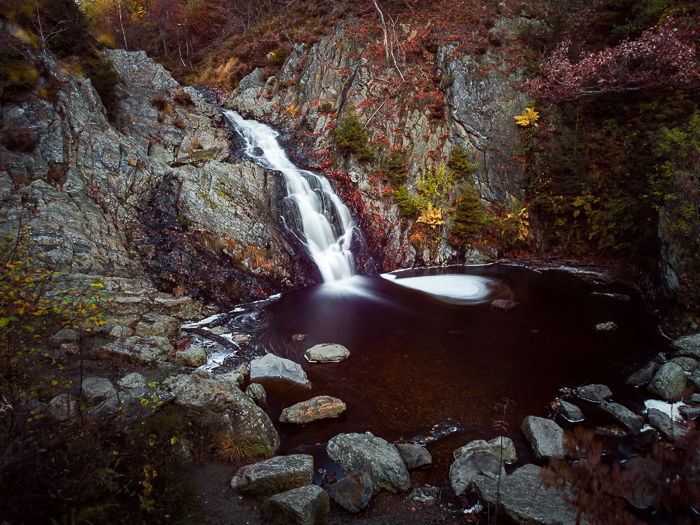
Understanding the different types of filters available for landscape photography is essential for enhancing the visual impact of your images. Each filter serves a unique purpose and can significantly influence the quality and mood of a photograph. This section will delve into the specific types of filters commonly used in landscape photography and their characteristics, allowing photographers to make informed choices.
Polarizing Filters
Polarizing filters are invaluable tools in landscape photography, primarily used to reduce reflections and enhance color saturation. Their unique construction allows them to filter out polarized light, which is often responsible for glare on surfaces such as water or wet foliage. In addition to reducing reflections, these filters can deepen the blue of the sky and increase contrast between the sky and clouds.Characteristics and uses of polarizing filters include:
- Reduction of Glare: Ideal for capturing images of lakes and rivers, polarizing filters help in achieving clear reflections and emphasize the surrounding landscape.
- Enhancement of Colors: They enhance the vibrancy of colors, making greens appear richer and skies more dramatic.
- Control of Haze: By cutting through atmospheric haze, polarizing filters can enhance the clarity of distant landscapes.
Neutral Density (ND) Filters
Neutral density filters are designed to uniformly reduce the intensity of light entering the lens without affecting color balance. This makes them especially useful for achieving longer exposure times in bright conditions, enabling creative effects such as motion blur in clouds or flowing water.The key applications of neutral density filters include:
- Long Exposure Photography: ND filters allow photographers to use slow shutter speeds to capture motion, such as flowing waterfalls or cloud movement, even in bright daylight.
- Wider Apertures: They enable photographers to use wider apertures for shallow depth of field effects, softening backgrounds while still managing light levels.
- Balancing Exposure: ND filters help in balancing exposure between bright and dark areas in high-contrast scenes.
Graduated ND Filters
Graduated ND filters serve a specialized function in landscape photography by providing a gradual transition from opaque at one end to clear at the other. This allows photographers to balance exposure between the bright sky and the darker foreground without affecting the overall image quality.The importance and application of graduated ND filters include:
- Exposure Balancing: They help to even out exposure differences in a scene, making it easier to capture both bright skies and darker landscapes without losing detail in either area.
- Variety of Strengths: Graduated ND filters come in various strengths, allowing for flexibility depending on the lighting conditions and the specific scene being captured.
- Creative Compositions: By selectively darkening parts of an image, these filters can enhance the overall composition and draw attention to the focal points within the landscape.
How to Properly Use Filters
Filters play an essential role in enhancing landscape photography by manipulating light and color. Understanding how to properly attach and utilize these filters can significantly improve the quality of your images. This section discusses the correct method for attaching filters to your camera lens, compares the effects of various filters, and recommends optimal camera settings for their use.
Attaching Filters to a Camera Lens
The process of attaching filters to your camera lens is straightforward, yet it requires careful handling to avoid damage. Here are the steps to follow:
- Ensure that your camera is turned off to prevent any accidental shots or settings changes.
- Remove any lens cap or protective cover from the front of your lens.
- Take the filter out of its protective case. Hold the filter by its edges to prevent fingerprints on the glass.
- Align the filter with the filter thread on the front of your lens. The threading is typically standard, either clockwise or counterclockwise.
- Gently screw the filter onto the lens, ensuring that it is snug but not overly tight, to avoid stripping the threads.
- Double-check that the filter is securely attached and that there is no obstruction to the lens’ field of view.
Effects of Different Filters on Landscape Images
Understanding the impact of various filters can help photographers select the best option for their desired effect. The following table compares the primary effects of different filters commonly used in landscape photography:
| Filter Type | Effect | Ideal Usage |
|---|---|---|
| Polarizing Filter | Reduces reflections, enhances colors, and increases contrast. | Use in bright sunlight to enhance the sky and foliage. |
| Neutral Density Filter | Reduces the amount of light entering the lens. | Ideal for long exposures in bright conditions, allowing for motion blur. |
| Graduated Neutral Density Filter | Balances the exposure between bright skies and darker landscapes. | Best for sunset or sunrise shots where there is a significant contrast in brightness. |
| UV Filter | Reduces haze and protects the lens. | Useful in various environments, especially at high altitudes or coastal areas. |
Optimal Camera Settings When Using Filters
When utilizing filters, it’s essential to adjust your camera settings to achieve the best results. Here are some optimal settings to consider:In bright light conditions, when using a polarizing or ND filter, it is recommended to lower the ISO to 100 or 200 to minimize noise. A wider aperture, such as f/8 to f/11, will help achieve greater depth of field without overexposing the image.
Shutter speed should be adjusted according to the filter’s effect; for ND filters, slower shutter speeds will enhance motion effects, while a polarizing filter might require faster speeds to ensure proper exposure.
“Utilizing filters effectively requires understanding both their impact on exposure and how they can enhance the visual narrative of your landscape photography.”
Techniques for Using Filters in Different Lighting Conditions
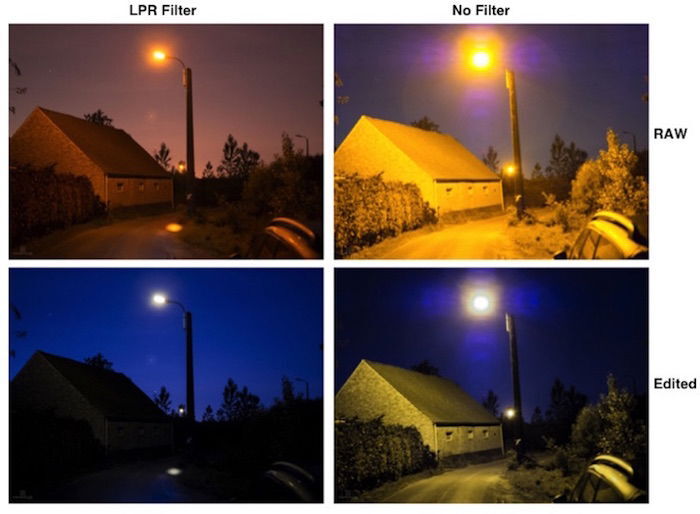
In landscape photography, the use of filters can significantly enhance the visual impact of images, particularly in varying lighting conditions. Understanding how to adapt filter techniques can transform ordinary scenes into dramatic compositions. This section explores effective methods for utilizing filters during sunrise, sunset, bright daylight, and low-light situations.
Using Filters During Sunrise and Sunset
Sunrise and sunset are times when the light is soft and warm, creating opportunities for photographers to capture stunning colors and contrasts. Utilizing filters during these golden hours can amplify the beauty of the scene. When using a graduated neutral density (GND) filter, it is essential to position the filter so that the darker portion aligns with the brighter sky, which balances the exposure between the sky and the foreground.
This technique minimizes the risk of overexposing the sky while retaining detail in the land features.Additionally, a polarizing filter can enhance the saturation of colors during these times. By rotating the filter, photographers can reduce glare from water surfaces, making reflections richer and skies more vivid.
“Using filters at the right moment can turn a simple landscape into an extraordinary visual narrative.”
Using Filters in Bright Daylight
Bright daylight presents a unique challenge in landscape photography due to harsh shadows and excessive brightness. To combat these issues, several filter techniques can be employed.First, a neutral density (ND) filter can be used to reduce the overall light entering the lens, allowing for longer exposure times even in bright conditions. This technique is particularly effective for capturing motion in water, such as creating silky smooth waterfalls or softening ocean waves.
Another valuable tool is the polarizing filter, which not only reduces reflections but also enhances the blue tones of the sky while saturating the colors of foliage. The result is a more dynamic and vibrant photograph. When using these filters, it is important to adjust the camera settings accordingly, ensuring the exposure remains balanced and the image does not suffer from overexposure.
Using Filters in Low-Light Situations
In low-light conditions, such as dusk or dawn, filters can provide significant benefits. A strong ND filter allows for longer exposures, enabling the capture of light trails from moving subjects or the smooth motion of clouds across the sky, which can lead to striking results.Additionally, using a polarizing filter in low light can help reduce glare from wet surfaces, ensuring that colors appear richer and more defined.
It is also beneficial to use a tripod to stabilize the camera during longer exposures, as this will prevent camera shake and maintain the clarity of the image.
“Filters can be your best friend when dealing with challenging lighting conditions, transforming potential obstacles into creative opportunities.”
Creative Compositions with Filters
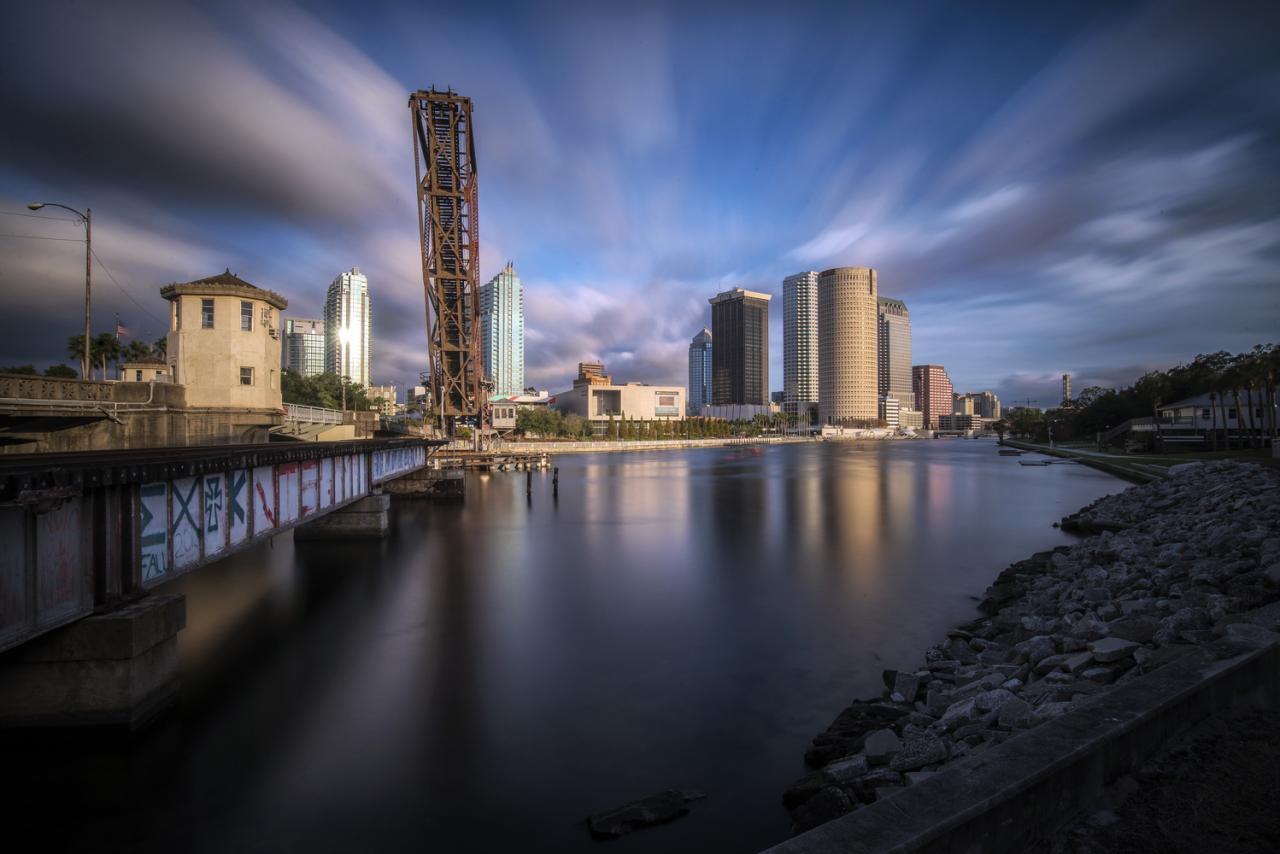
Filters in landscape photography offer unique opportunities to enhance creative compositions, allowing photographers to capture the essence and beauty of their surroundings in remarkable ways. By strategically using filters, one can craft images that not only attract attention but also evoke emotions and convey a deeper narrative.Incorporating filters into your photographic process can enhance various aspects of your images, such as color saturation, contrast, and clarity.
Understanding how to creatively compose images with filters can maximize their benefits, ultimately leading to breathtaking results. Here are some tips to enhance your landscape compositions:
Tips for Composing Images with Filters
When using filters, it is essential to consider how they can complement your composition. Here are several techniques to optimize their effects:
- Layering Elements: Position foreground elements to create depth in your images. For instance, using a polarizing filter can enhance the colors of foliage while ensuring that the foreground appears vibrant against a dramatic sky.
- Leading Lines: Utilize filters to emphasize leading lines in your composition. They can accentuate paths or rivers, drawing the viewer’s eye through the image and creating a sense of movement.
- Rule of Thirds: Apply filters while adhering to the rule of thirds, balancing elements within your frame. A graduated ND filter can help maintain exposure balance between the sky and land, allowing you to position the horizon along a third line effectively.
Landscapes Well-Suited for Specific Filters
Different landscapes thrive with particular filters. Choosing the right filter can significantly elevate the visual impact of your photographs. Here are some examples:
- Seascapes: Neutral density (ND) filters work excellently when photographing oceans. They allow for long exposures, smoothing out water surfaces and adding a dreamlike quality to the scene.
- Forests: Polarizing filters enhance the saturation of greens and reduce glare from leaves, making them ideal for capturing vibrant forest scenes.
- Mountain Ranges: Graduated ND filters are perfect for balancing the exposure of bright skies and darker mountain faces, ensuring both elements are adequately represented in your composition.
Enhancing Depth and Texture in Photos with Filters
Filters can significantly contribute to the depth and texture of your landscapes. By carefully utilizing them, photographers can create layered images that invite viewers to explore the details. To enhance depth, consider the following techniques:
- Contrast Management: Use ND filters to control highlights and shadows, adding more contrast to the image. This contrast can highlight textures in rocks or foliage, creating a more tactile experience.
- Color Enhancement: Polarizing filters can deepen blue skies and enrich greens, providing a three-dimensional feel to the composition. This richness can make elements like clouds and trees appear more pronounced.
- Focus Stacking: Combine the use of filters with focus stacking techniques to ensure both foreground and background are sharp and detailed, enhancing the overall textural quality of your landscape images.
“The effective use of filters not only enhances the visual appeal of landscape photography but also invites viewers to experience the scene as if they were present in that moment.”
Post-Processing Techniques for Filtered Images
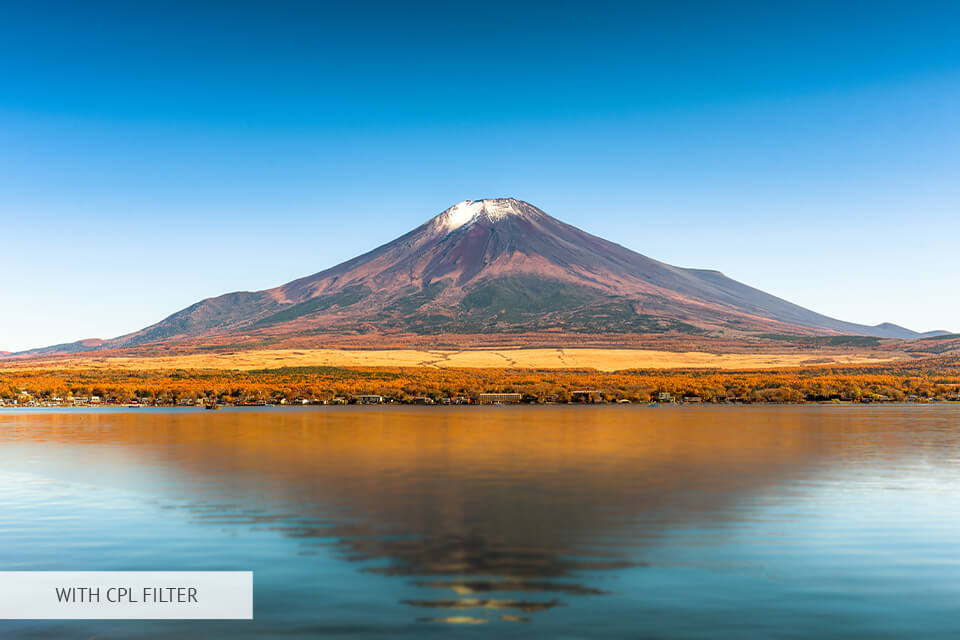
Post-processing is an essential phase in landscape photography, especially when filters have been employed. The use of filters can greatly enhance images, but it is equally important to know how to edit these images effectively in post-processing software to maximize their potential. This section Artikels the steps to edit images taken with filters, examples of adjustments that can enhance their effectiveness, and how to rectify any issues caused by filter usage.
Editing Steps for Filtered Images
The post-processing workflow for images captured with filters typically involves several key adjustments. It is crucial to approach each step methodically to achieve optimal results. Below are the essential steps to consider:
1. Import the Image
Start by importing your filtered image into your preferred post-processing software, such as Adobe Lightroom or Photoshop.
2. Adjust White Balance
Begin the editing process by refining the white balance. Filters can sometimes create a color cast in your images. Use the eyedropper tool or manually adjust the temperature and tint to achieve a natural look.
3. Crop and Straighten
If necessary, crop the image to enhance composition and remove any unwanted elements. Make sure the horizon line is straight, especially if using a polarizing filter, which can sometimes distort the lines.
4. Enhance Exposure
Adjust the exposure to bring out details in both shadows and highlights. A filter may have altered the light exposure in your image, so fine-tuning this is often required.
5. Boost Contrast
Increasing contrast can help in emphasizing the details and textures in your landscape images. This is particularly effective for images with Graduated Neutral Density (GND) filters.
6. Fine-tune Colors
Use the HSL (Hue, Saturation, and Luminance) panel to enhance specific colors that may have been muted or overly saturated due to filter interference.
7. Sharpen and Reduce Noise
Apply sharpening to enhance details, especially in areas affected by a polarizing filter. Additionally, use noise reduction techniques to minimize any artifacts caused by long exposures through filters.
8. Final Touches
Apply any final adjustments such as vignette effects to guide the viewer’s attention towards the focal point of the image.
Examples of Adjustments for Enhanced Effectiveness
Understanding the specific adjustments that can enhance the effectiveness of filters is crucial in post-processing. The following adjustments can significantly improve your filtered images:
Dodge and Burn Techniques
Use local adjustments to dodge (lighten) and burn (darken) specific areas of the image. This technique can help in emphasizing the dynamic range created by filters.
Clarity and Texture Adjustments
Increasing clarity can enhance mid-tone contrast, while adjusting texture can bring out fine details, especially in landscapes.
Color Grading
Consider applying color grading techniques to give creative flair and atmosphere to your images, particularly useful in sunset or sunrise shots.
Gradient Adjustments
For images that utilized a GND filter, additional gradient adjustments can be applied in post-processing to further balance exposure and enhance tonal transitions.
Rectifying Issues Caused by Filter Usage
While filters can enhance images, they can also introduce certain issues that may require correction in post-processing. It is important to be aware of these potential pitfalls and know how to address them effectively:
Color Cast Removal
Filters, especially polarizers, can create unwanted color casts. Use the color balance or selective color tools to neutralize any unwanted hues.
Lens Flare Mitigation
If lens flares occur due to the use of filters, utilize the clone or healing tools to reduce their impact on the image.
Distortion Correction
Sometimes, filters can cause vignetting or distortion, especially at the edges of the frame. Utilize lens correction tools available in most software to rectify these issues.
Removing Reflections
If reflections are amplified by polarizing filters, use retouching tools or layer masks to eliminate or soften them.By following these steps and applying these techniques, photographers can successfully refine their images captured with filters, resulting in stunning landscape photographs that showcase their envisioned artistry.
Maintenance and Care for Filters

Proper maintenance and care of filters are crucial to ensuring their longevity and effectiveness in landscape photography. Filters can significantly enhance image quality, but if they are not well cared for, they can negatively impact the clarity and sharpness of your photographs. Regular attention to cleaning and storing your filters will preserve their quality and functionality.Cleaning filters is essential to maintain their clarity and quality.
Dust, fingerprints, and other debris can accumulate on the surface, leading to unwanted artifacts in your images. Implementing proper cleaning techniques ensures that your filters remain in optimal condition.
Cleaning Techniques for Filter Clarity
To effectively clean your filters, consider the following techniques:
1. Use a Lens Brush
Begin the cleaning process with a soft lens brush to remove any loose dust or particles from the filter surface. This step helps avoid scratches during the cleaning process.
2. Microfiber Cloth
After brushing, use a clean microfiber cloth to gently wipe the filter in circular motions. This cloth is less abrasive than traditional fabrics, minimizing the risk of scratches.
3. Lens Cleaning Solution
For stubborn smudges or fingerprints, apply a small amount of lens cleaning solution to the microfiber cloth (not directly onto the filter) before wiping. Ensure the solution is designed for optical surfaces to prevent damage.
4. Air Blower
An air blower can effectively remove dust without direct contact. It is especially useful for getting into the edges of the filter where dirt may accumulate.Following these steps will help maintain the pristine condition of your filters, allowing you to capture sharp, clear images.
Storage Solutions for Filter Protection
Storing your filters properly is just as important as cleaning them. Inappropriate storage can result in scratches, dust accumulation, or even breakage. Consider these protective storage solutions:
Filter Cases
Invest in padded filter cases specifically designed for lens filters. These cases often feature compartments that prevent filters from touching each other, minimizing the risk of scratches.
Soft Pouches
For on-the-go storage, utilize soft pouches made of microfiber or similar materials. They are lightweight and provide adequate protection when transported in a camera bag.
Cool, Dry Environment
Store filters in a cool, dry place to avoid humidity that can cause mold or other damage. A dedicated drawer or cabinet away from direct sunlight is ideal.Utilizing these storage solutions will safeguard your filters against potential damage, ensuring their longevity and usability.
Recognizing When to Replace Worn-Out Filters
Even with diligent maintenance, filters can wear out over time. Recognizing the signs of deterioration is essential to maintain the quality of your landscape photography. Here are some indicators that it may be time to replace your filters:
Scratches or Cracks
Visible scratches or cracks on the filter surface can significantly impair image quality. If these are present, replacement is necessary.
Cloudiness
If a filter becomes cloudy or has internal blemishes that cleaning cannot resolve, it may be time for a new filter.
Color Casts
Over time, filters may develop unwanted color casts that affect the overall image hue. If adjustments in post-processing do not rectify this issue, consider replacement.By understanding and implementing these maintenance and care techniques, photographers can ensure that their filters remain effective tools in creating striking landscape images. Remember that the quality of your filters directly impacts the quality of your photographs.
Last Word
In conclusion, mastering the use of filters in landscape photography opens up a world of creative possibilities. From understanding the distinctive features of each filter type to employing them effectively in various lighting conditions, the insights shared throughout this discussion empower photographers to enhance their compositions significantly. With the right techniques, filters can truly become invaluable tools in achieving stunning landscape images.