As How to Use Bracketing for Perfect Exposures takes center stage, this opening passage beckons readers into a world rich with knowledge, ensuring a reading experience that is both absorbing and distinctly original.
Bracketing is a vital technique in photography that allows photographers to capture a range of exposures for a single scene, ensuring that the final image is perfectly lit. Understanding how to utilize bracketing can transform your photography, offering enhanced detail in both highlights and shadows. By exploring various bracketing methods, photographers can gain control over exposure settings and produce stunning images in challenging lighting conditions.
Understanding Bracketing
Bracketing is a vital technique in photography that allows photographers to ensure perfect exposure in their images. This method involves taking multiple shots of the same scene at different exposure levels. Understanding how to effectively use bracketing can significantly enhance the quality of photographs, particularly in challenging lighting conditions.The concept of bracketing revolves around capturing several images of the same subject with varying exposure settings.
This is typically done by adjusting the aperture, shutter speed, or ISO settings to create a series of exposures that range from underexposed to overexposed. The importance of exposure in photography cannot be overstated; it directly affects the image’s brightness, contrast, and overall visual appeal. Proper exposure ensures that details are neither lost in shadows nor blown out in highlights, which is crucial for creating a well-balanced photograph.
Scenarios Benefiting from Bracketing
Bracketing proves particularly beneficial in various photographic scenarios, where lighting conditions can be unpredictable. Understanding these situations helps photographers determine when to employ this technique effectively.One common scenario is during landscape photography at sunrise or sunset, where the contrast between the bright sky and darker foreground can lead to challenging exposure conditions. In such cases, bracketing allows the photographer to capture details in both the highlights and shadows.
Another situation is in high dynamic range (HDR) photography. Here, bracketing is essential to create an image that accurately represents the wide range of light within a scene. This technique allows the photographer to blend multiple exposures, achieving a balanced exposure that captures the vibrancy and depth of the scene.Additionally, bracketing is advantageous in indoor settings or events with mixed lighting sources.
For example, in a dimly lit room with bright windows, bracketing can help capture details in both the well-lit areas and darker spots, ensuring a well-exposed final image. In summary, bracketing is an invaluable tool for photographers seeking to master exposure in their images. By understanding the technique and recognizing scenarios where it is beneficial, photographers can significantly improve their image quality and overall photographic skills.
Types of Bracketing
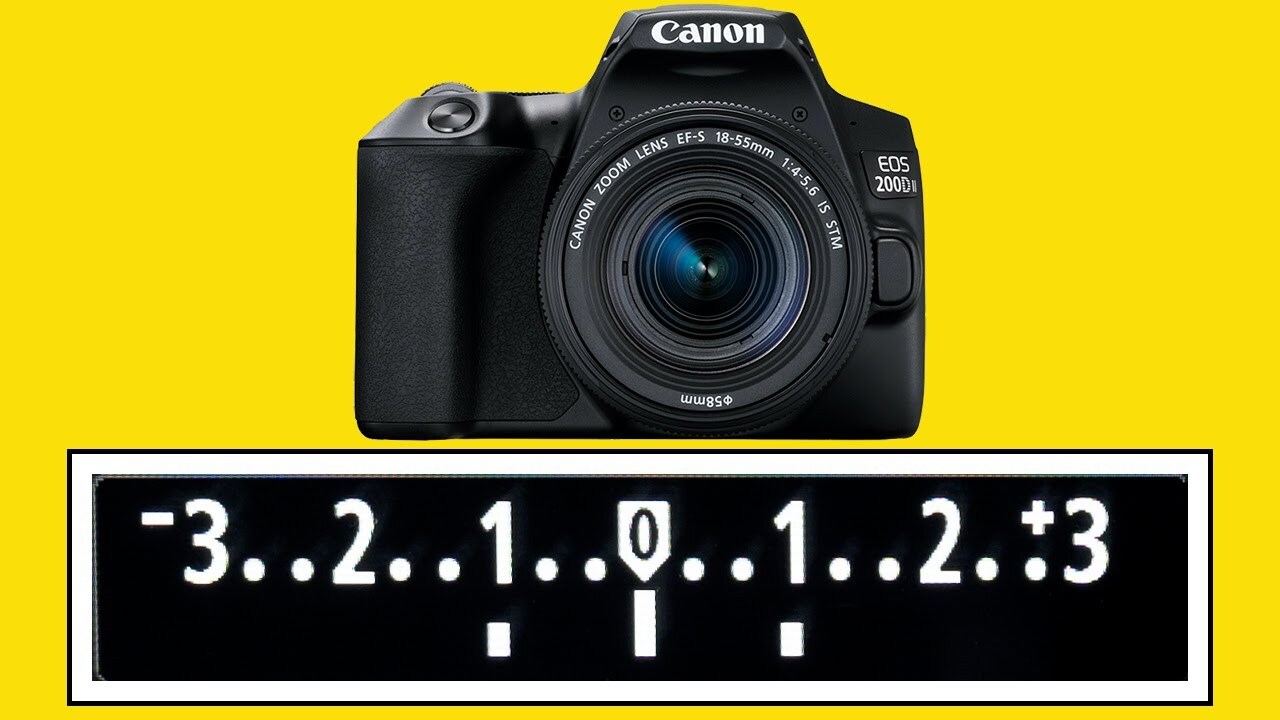
Bracketing is a versatile technique that photographers employ to ensure optimal exposure and focus in their images. Understanding the various types of bracketing allows photographers to make informed decisions based on the specific needs of a scene or subject. This section explores the main types of bracketing techniques, emphasizing their advantages, disadvantages, and ideal applications.
Exposure Bracketing
Exposure bracketing involves taking multiple shots of the same scene at different exposure levels. This technique is particularly useful in high-contrast lighting situations where the camera may struggle to capture both highlights and shadows in a single exposure.
- Advantages:
- Ensures a well-exposed image by capturing various exposure levels.
- Facilitates HDR (High Dynamic Range) photography, combining multiple images for greater detail in highlights and shadows.
- Provides creative control, allowing photographers to choose the best exposure afterward.
- Disadvantages:
- Increases the number of images that need to be processed, requiring more time in post-production.
- May lead to unnecessary storage use if not all images are needed.
- Can result in movement between shots, complicating post-processing if the subject is not still.
Exposure bracketing is most effectively used in situations such as landscape photography during sunrise or sunset, where the dynamic range can be extensive. It is also beneficial in interior photography with mixed lighting conditions, allowing for a balanced exposure throughout the frame.
Focus Bracketing
Focus bracketing, also known as stacking or depth of field bracketing, involves changing the focus point between shots to ensure that more of the scene is in sharp detail. This method is particularly advantageous for macro photography and landscapes, where depth of field is limited.
- Advantages:
- Increases the depth of field by combining multiple images focused at different points.
- Produces sharper images in situations where a wide aperture is necessary but results in blurred backgrounds.
- Allows for creative depth manipulation in compositions.
- Disadvantages:
- Requires precise alignment and focus adjustments, which can be time-consuming.
- Post-processing can be complex, requiring software to merge images seamlessly.
- Any movement in the subject or scene can lead to misalignment and complications in stacking.
Focus bracketing is most effectively used in macro photography, where achieving sharp detail on small subjects is critical. It is also beneficial in landscape photography when capturing intricate details across various planes, ensuring that both foreground and background elements are in focus.
White Balance Bracketing
White balance bracketing involves taking multiple shots of the same scene with different white balance settings. This technique is useful when dealing with mixed lighting sources or when the exact color temperature is unknown.
- Advantages:
- Provides flexibility in post-processing to fine-tune colors, ensuring accurate representation.
- Helps in achieving the desired ambiance by allowing for creative color variations in images.
- Can correct for challenging lighting conditions, enhancing overall image quality.
- Disadvantages:
- Increases the number of images captured, leading to more storage requirements.
- May require additional time in post-processing to select and adjust the best images.
- Potential for color casts if images are not properly adjusted during editing.
White balance bracketing is particularly effective in scenes with diverse light sources, such as indoor environments lit by both incandescent and fluorescent lights. It is also useful in event photography, where varying lighting conditions can dramatically change the atmosphere of the images.
“In photography, bracketing is not just a technique; it’s a pathway to creativity and control over the final image.”
Setting Up for Bracketing
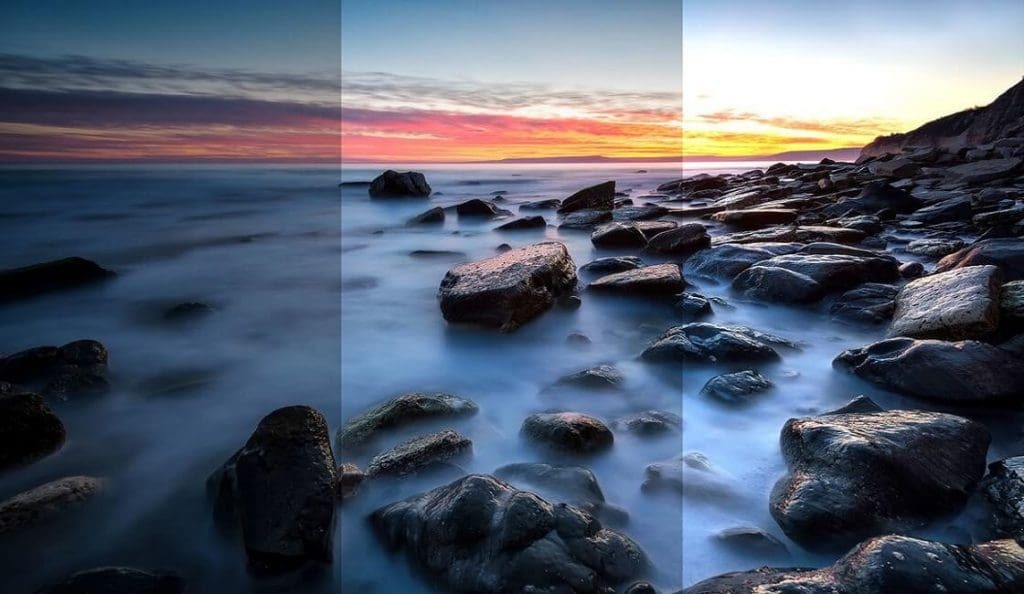
To achieve perfect exposures through bracketing, it is essential to properly configure your camera. This involves understanding the various settings that influence bracketing and ensuring your camera is primed for optimal performance. By following the Artikeld steps, photographers can effectively utilize bracketing to enhance their images under diverse lighting conditions.Configuring your camera for bracketing requires careful attention to specific settings that can significantly impact the outcome of your shots.
Familiarizing yourself with these settings will allow you to make the most efficient use of the bracketing feature.
Configuring Your Camera for Bracketing
The initial step in preparing your camera for bracketing is to locate the bracketing mode in your camera’s menu. Each camera model may have a different method for activating this feature, so it is crucial to consult your camera’s manual for precise instructions. Key camera settings that influence bracketing effects include:
- Exposure Compensation: Adjust this setting to dictate the amount of light exposure for each shot in the bracket. A common setting is to vary the exposure by 1 or 2 stops.
- Drive Mode: Switch to Continuous Shooting mode to capture a series of images in quick succession, minimizing the impact of any movement or changing light conditions.
- Metering Mode: Choose the appropriate metering mode based on the scene. Evaluative metering is often used for general scenes, while spot metering may be preferable for high-contrast subjects.
- ISO Settings: Maintain a consistent ISO level across the bracketed shots. This ensures that variations in exposure are solely due to aperture and shutter speed adjustments.
- Aperture Settings: Consider using a consistent aperture to maintain depth of field. Changing the aperture can significantly affect the exposure and, consequently, the results of bracketing.
Preparing your camera for bracketing involves checking various settings and ensuring everything is set correctly. The following checklist serves as a guide:
- Camera is set to Manual or Aperture Priority mode.
- Bracketing mode is activated.
- Drive mode is set to Continuous Shooting.
- ISO is set to a fixed value for consistency.
- Exposure compensation is adjusted based on desired bracketing levels.
- Metering mode is selected based on the shooting conditions.
- Aperture settings are confirmed for depth of field consistency.
- Camera is mounted on a tripod to minimize shake during exposure.
Incorporating these settings and following the checklist ensures that you are well-prepared to utilize bracketing effectively. This preparation is pivotal in capturing stunning images that exhibit the full dynamic range of your scene.
Practical Applications of Bracketing
Bracketing is a versatile technique that can significantly enhance your photographic results, especially in challenging lighting situations. By capturing multiple exposures of the same scene, you can ensure that you achieve the perfect exposure, regardless of the conditions. This section explores how to effectively capture images using bracketing, select the appropriate exposure range, and identify subjects that benefit from this technique.
Utilizing Bracketing for Image Capture
To effectively capture images using bracketing, it is essential to understand the mechanics behind the technique. The process involves taking a series of shots at varying exposure levels, which can later be merged to create a well-exposed final image. Follow these steps for optimal results:
1. Set Your Camera
Choose the bracketing mode on your camera, typically found in the shooting settings menu.
2. Select Exposure Increment
Determine the increments for your bracketing sequence. Common increments include 1 stop, 2 stops, or even 3 stops, depending on the scene’s dynamic range.
3. Stabilize Your Camera
Use a tripod to ensure that all images are aligned correctly. Camera shake can lead to misalignment when combining images.
4. Test Different Settings
Experiment with different brackets by adjusting the aperture, shutter speed, or ISO settings to see what works best for the scene.
5. Capture the Images
Press the shutter button to take the series of exposures. It is advisable to use a remote shutter release or the camera’s timer to minimize vibrations.By adhering to these steps, photographers can achieve a significant advantage in capturing the ideal exposure for any scene.
Choosing the Right Exposure Range
Selecting the appropriate exposure range for bracketing is crucial in ensuring that you capture the full tonal range of a scene. The exposure range will depend on several factors, including the lighting conditions and the subject being photographed. Consider the following guidelines to choose the right exposure range:
Dynamic Range of the Scene
For scenes with high contrast, such as sunsets or bright landscapes, use wider exposure increments (e.g., 2 to 3 stops). This allows you to capture details in both the highlights and shadows.
Lighting Conditions
In low-light situations, narrower increments (e.g., 1 stop) may be sufficient as the difference between exposures is less pronounced.
Subject Matter
When photographing static subjects, a greater exposure range can be employed. In contrast, moving subjects may require more careful adjustments to minimize motion blur.
“The key to effective bracketing lies in understanding the nuances of the scene before you.”
Common Subjects and Scenes for Bracketing Techniques
Bracketing is particularly effective for various subjects and scenes that challenge traditional exposure settings. The following are common subjects where bracketing can be tried:
Landscapes
Capture sweeping vistas during sunrise or sunset, where the sky and land may have vastly different lighting conditions.
Architecture
Buildings with intricate details and shadows can benefit from bracketing to ensure that every feature is well-exposed.
Night Photography
When shooting in low-light conditions, bracketing can help maintain details in both the brightly lit and shadowed areas.
High Dynamic Range Scenes
Environments that include both bright and dark elements, such as interiors with windows or outdoor scenes with reflections, are ideal for bracketing.In these scenarios, bracketing not only enhances the overall image quality but also provides creative opportunities to explore new perspectives and techniques.
Post-Processing Bracketed Images
Post-processing bracketed images is a crucial step in achieving stunning, high dynamic range (HDR) photographs. After capturing a series of images at different exposures, the merging and editing process allows photographers to create a well-balanced final image that retains detail across both shadows and highlights. This section delves into the steps involved in merging bracketed images, techniques for maintaining a natural appearance in HDR images, and tips for enhancing overall image quality post-merging.
Merging Bracketed Images in Editing Software
The process of merging bracketed images is typically performed in specialized editing software that supports HDR processing, such as Adobe Lightroom, Photoshop, or dedicated HDR applications like Photomatix. Here is a detailed overview of the merging process:
1. Import Images
Begin by importing the bracketed set of images into your chosen editing software. Ensure the images are aligned correctly, especially if they were taken handheld.
2. Select Images
Highlight the images you want to merge. Most software can automatically detect which images belong to the same set based on shooting time and exposure settings.
3. Merge to HDR
Utilize the merge function, which combines the different exposure levels into a single HDR image. This step often includes options for tone mapping, which helps determine how the final image will be displayed.
4. Adjust Settings
After merging, you will have access to various settings allowing adjustments for brightness, contrast, highlights, shadows, and saturation. Fine-tuning these parameters is essential for achieving the desired look.
5. Finalize the Image
Save the merged image in your preferred file format, ensuring you keep a high-quality version for future edits.
Achieving a Natural Look in HDR Images
While HDR photography allows for dramatic tonal ranges, achieving a natural look is vital to maintain the integrity of the scene. Here are effective techniques to consider:
Avoid Overprocessing
Overdoing enhancements can lead to unnatural-looking images, often characterized by exaggerated colors and halos around objects. Aim for subtler adjustments that reflect the true scene.
Use Local Adjustments
Rather than applying global changes, use local adjustment tools to selectively enhance areas of your image. This could involve brightening shadows or toning down highlights without affecting the entirety of the image.
Blend Exposure Values
Ensure smooth transitions between different exposure values. Using software that allows for feathering edges can help blend areas seamlessly, creating a more cohesive final image.
Enhancing Overall Image Quality After Merging
Once the HDR image has been created, enhancing its quality further is often necessary to achieve a polished final product. Here are critical tips for this enhancement process:
1. Sharpening
Carefully apply sharpening to improve details without introducing noise. Use a moderate amount of sharpening to avoid artifacts.
2. Noise Reduction
HDR images can sometimes exhibit increased noise, particularly in shadow areas. Use noise reduction tools available in your editing software to smooth out grainy textures.
3. Color Correction
Adjust the color balance and saturation to ensure that the final image reflects the true colors of the scene. Utilizing the histogram can help monitor the levels of each color channel.
4. Cropping and Framing
Consider the composition of your merged image. Cropping can eliminate distracting elements and improve the overall focus on the subject.
5. Final Touches
Add finishing touches such as vignetting or slight exposure adjustments to enhance depth and draw attention to the main subject while maintaining a balanced look.Utilizing these methods will lead to a more refined and professional appearance in your bracketed images, allowing for captivating results that maintain the essence of the original scene.
Troubleshooting Bracketing Issues
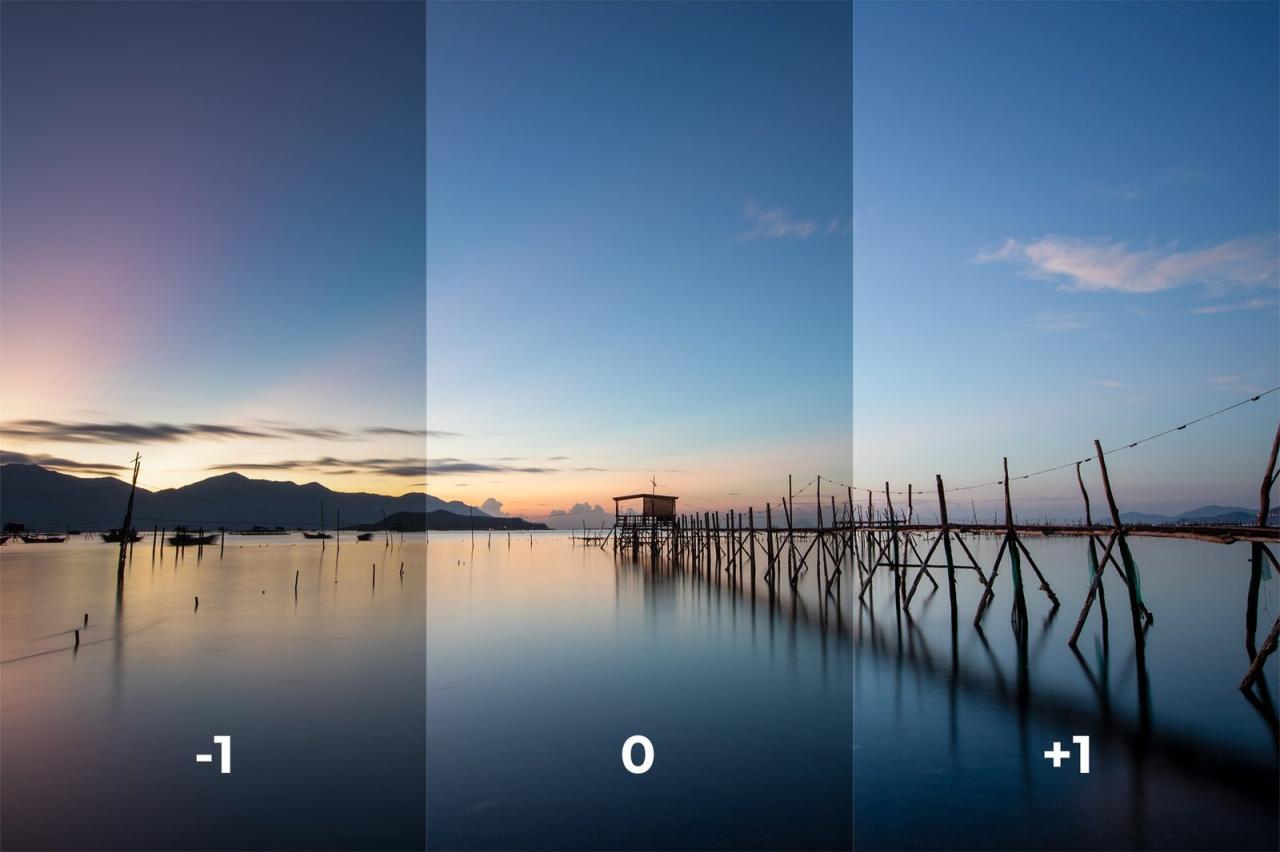
When utilizing bracketing techniques in photography, various challenges may arise that impede the desired outcomes. Identifying these common issues and knowing how to address them is essential for achieving the perfect exposure. This section will delve into frequent mistakes made by photographers, methods to resolve exposure discrepancies in merged images, and solutions for managing equipment limitations during bracketing.
Common Mistakes in Bracketing
Many photographers encounter pitfalls when applying bracketing. Common mistakes can result in poor image quality or ineffective exposure adjustments. Recognizing these errors is the first step toward improving your bracketing technique. Key mistakes include:
- Inconsistent exposure settings: Failing to maintain consistent aperture or ISO settings across bracketed shots can lead to discrepancies in image exposure.
- Improper alignment of images: Not ensuring that images are aligned can create alignment issues during merging, resulting in ghosting effects.
- Over-reliance on automatic bracketing: Solely relying on automatic settings without understanding manual adjustments can limit creative control.
Resolving Exposure Discrepancies in Merged Images
When working with bracketed images, discrepancies may arise during the merging process. Proper techniques can help mitigate these issues. The following methods can be employed to resolve exposure differences:
- Utilize HDR software effectively: High Dynamic Range (HDR) software often includes features that intelligently correct exposure discrepancies. Familiarize yourself with its settings to enhance results.
- Manually blend images in post-processing: Use photo editing software to selectively blend areas of different exposures. This approach allows for greater control over the final image.
- Review histogram data: Analyze histograms for each bracketed image to identify exposure variations and adjust settings accordingly for future shoots.
Solutions for Equipment Limitations
Equipment can sometimes pose limitations that affect bracketing efficiency. Addressing these limitations is essential for optimal results. Consider the following solutions:
- Invest in a sturdy tripod: A stable tripod minimizes camera shake during bracketed shots, ensuring consistent framing and alignment.
- Use remote shutter releases: This tool helps prevent camera movement when pressing the shutter button, resulting in sharper images.
- Explore external flash options: If low-light conditions are an issue, utilizing external flash can enhance exposure without compromising the bracketing technique.
Advanced Bracketing Techniques
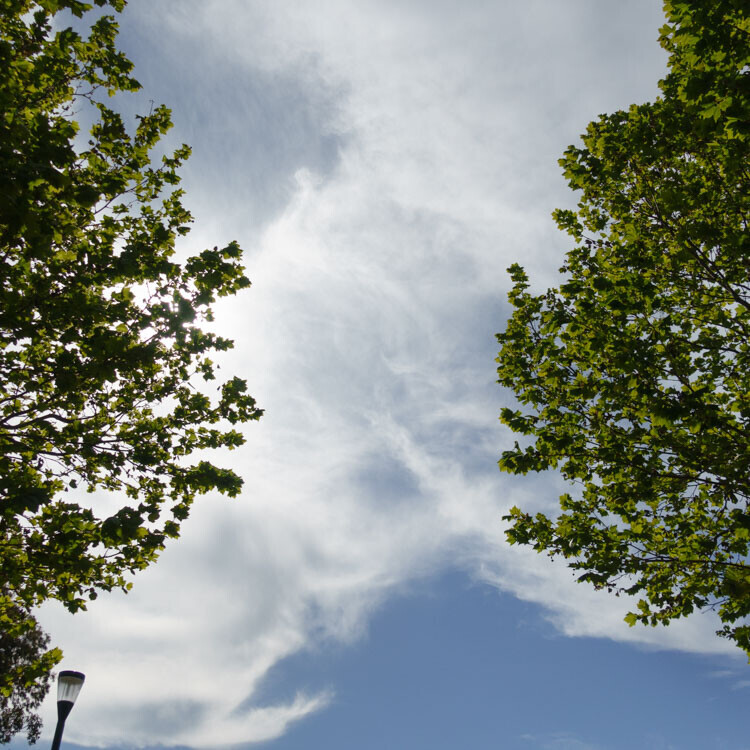
In the realm of photography, bracketing serves as a powerful tool that enhances the creative potential of both landscape and portrait photography. By mastering advanced bracketing techniques, photographers can significantly improve the dynamic range and overall quality of their images. This section explores the creative utilization of bracketing in various scenarios, along with the integration of bracketing with other photographic techniques, and how professional photographers employ these methods to achieve stunning results.
Creative Uses of Bracketing in Landscape and Portrait Photography
Bracketing allows photographers to capture a wider range of tonal values, which is particularly beneficial in both landscape and portrait photography. In landscape photography, bracketing can be used to document scenes where the lighting varies greatly, such as during sunrise or sunset. This ensures that both the highlights and shadows are well-exposed, creating images with vivid detail and depth. For instance, a photographer might take multiple shots of a scenic view, adjusting the exposure in each to capture the brightest clouds, the sunlit landscape, and the darker foreground.
The resulting bracketed images can then be merged in post-processing to create a single image that reflects the full dynamic range of the scene.In portrait photography, bracketing enhances skin tones and ensures that details in both the highlights and shadows are preserved. A professional photographer may bracket exposures to achieve the perfect lighting on a subject’s face, particularly in challenging light conditions.
This is especially effective when working with backlighting or when utilizing dramatic lighting setups.
Integration of Bracketing with Other Photographic Techniques
Combining bracketing with other photographic techniques can yield exceptional results. One notable integration is with long exposure photography. When taking long exposure shots, particularly in landscapes where motion blur is desired, bracketing can help maintain detail in both stationary and moving elements of the scene. For example, when photographing a waterfall, a photographer can bracket to capture various exposures: one for the flowing water that creates a silky effect, and another for the surrounding rocks and foliage that need to retain sharpness.Another technique involves using bracketing in HDR (High Dynamic Range) photography.
Photographers typically take three or more exposures at varying intervals (underexposed, correctly exposed, and overexposed) to capture the full dynamic range of a scene. This technique is particularly useful in urban environments, where high contrast between shadows and bright light can lead to loss of detail.
Examples of Professional Photographers Utilizing Bracketing
Many renowned photographers incorporate bracketing into their workflow to achieve stunning visual results. For instance, landscape photographer Ansel Adams famously utilized bracketing to ensure that his black and white images had both rich shadows and bright highlights. He often shot multiple negatives of the same scene at different exposures, allowing him to create prints that captured the full essence of the landscapes he loved.Portrait photographers like Annie Leibovitz utilize similar techniques when working with natural light.
By taking bracketed shots, she can select the best exposure that highlights her subjects’ features, ensuring that every detail is captured beautifully.In conclusion, advanced bracketing techniques provide photographers with the ability to creatively enhance their work. By exploring these methods and integrating them with other photographic styles, one can achieve images that resonate with depth and emotion, elevating the overall visual narrative.
Concluding Remarks
In conclusion, mastering bracketing techniques not only elevates your photography skills but also broadens your creative horizons. With the ability to capture and merge multiple exposures, photographers can achieve a level of detail and vibrancy that enhances the storytelling aspect of their images. Embrace bracketing as a valuable tool in your photography toolkit, and watch your ability to create breathtaking visuals expand.