How to Take Professional-Looking Portraits invites you to explore the essential elements that transform a simple photograph into a captivating portrait. In today’s visually driven world, the significance of high-quality portraits cannot be overstated; they serve as a powerful tool for personal branding and can significantly enhance career opportunities. Furthermore, well-composed portraits create a psychological impact on viewers, evoking emotions and establishing a connection that resonates beyond the surface.
This guide will delve into various aspects of portrait photography, from selecting the right equipment and mastering composition techniques to understanding lighting nuances and post-processing essentials. Each section aims to equip you with the knowledge and skills needed to create stunning portraits that truly reflect the essence of your subjects.
Importance of Professional Portraits
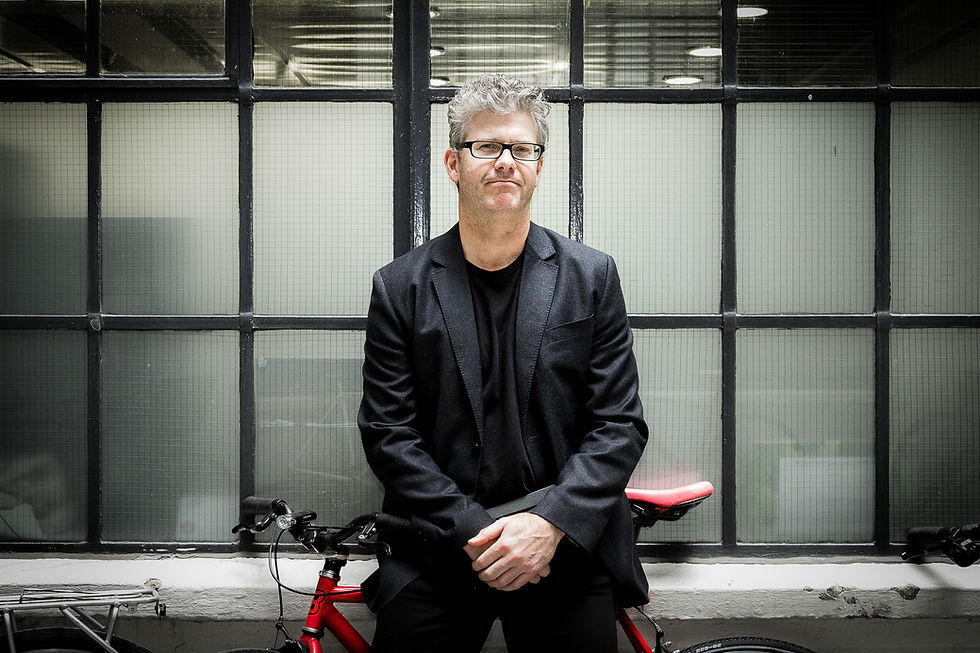
Professional portraits are a vital component of personal branding in today’s visually-oriented society. They serve as a first impression for potential employers, clients, and collaborators, reflecting both professionalism and approachability. High-quality portraits can communicate an individual’s personality and values, making them essential for establishing a strong personal brand.The significance of professional portraits extends beyond mere aesthetics; they can play a crucial role in enhancing career opportunities.
In many industries, a well-composed portrait can create a positive perception, suggesting that the individual is serious about their career and capable of representing their organization effectively. Moreover, professional portraits are often utilized in networking platforms, resumes, and promotional materials, underscoring the importance of presenting oneself in the best light possible.
Impact on Viewer Perception
The psychological impact of well-composed portraits on viewers is profound and multi-faceted. Research indicates that people make judgmental assessments within seconds of viewing a photograph. A professional portrait can significantly influence these assessments, leading to enhanced credibility and trustworthiness. The following points highlight the key elements that contribute to this impact:
- Facial Expressions: A warm smile can evoke feelings of trust and friendliness, while a serious expression might convey professionalism and authority. The right expression can align with the viewer’s expectations and the context in which the portrait is viewed.
- Clothing and Style: Attire plays a pivotal role in how a portrait is perceived. Dressing appropriately for the industry can signal competence, while unique styles can showcase creativity and individuality.
- Lighting and Background: Proper lighting enhances features and creates an inviting atmosphere. A clutter-free background helps to keep the focus on the subject, minimizing distractions and reinforcing professionalism.
- Composition Techniques: Techniques such as the rule of thirds or leading lines can draw the viewer’s eye and create a more engaging image. Well-composed portraits tend to hold attention longer, fostering a deeper connection.
In summary, the psychological effects of a professional portrait are significant. A carefully crafted image can enhance the viewer’s perception, creating a lasting impression that advances both personal and professional aspirations.
Choosing the Right Equipment
Selecting the appropriate equipment is crucial for capturing professional-looking portraits. The right camera gear, lenses, and lighting can significantly enhance the quality of your portrait photography, allowing you to create images that truly resonate with your subject and audience.
Essential Camera Gear for Portrait Photography
Understanding the essential gear required for portrait photography is vital to ensure that you are well-equipped for any shooting scenario. The following items are commonly considered indispensable for this genre of photography:
- Camera: A DSLR or mirrorless camera with high resolution is preferred, as these cameras allow for greater control over settings and quality.
- Lenses: A variety of lenses is essential. Prime lenses, particularly those with a wide aperture (like 50mm or 85mm), are favored for their sharpness and ability to create a shallow depth of field.
- Tripod: A sturdy tripod offers stability, especially in low-light conditions or when using longer exposure times.
- Memory Cards: High-capacity and fast memory cards are necessary to store high-resolution images without interruption.
- Backup Batteries: Extra batteries are crucial to ensure that you do not run out of power during a shoot.
Importance of Selecting the Appropriate Lens for Different Portrait Styles
The choice of lens plays a pivotal role in determining the overall look and feel of a portrait. Different styles of portrait photography, such as environmental, classic, or lifestyle portraits, call for specific lens selections to achieve the desired effects.
- 50mm Lens: Often referred to as the “nifty fifty,” this lens is ideal for headshots and waist-up portraits, providing a natural perspective.
- 85mm Lens: This lens is commonly used for head-and-shoulder portraits, allowing for beautiful background blur and a flattering compression of facial features.
- 24-70mm Zoom Lens: A versatile option, this lens is suited for various portrait styles and is particularly useful for mixed environments, accommodating both close-ups and wider shots.
- Wide-Angle Lens: Perfect for environmental portraits, this lens captures both the subject and their surroundings, creating a storytelling effect.
Usefulness of Lighting Equipment and Accessories
Proper lighting is a key component in portrait photography, as it can dramatically alter the mood and tone of an image. Investing in good lighting equipment and understanding its accessories can enhance your portraits significantly.
- Speedlights or Flash Units: Portable and powerful, these can be used to add fill light or create dramatic shadows when natural light is insufficient.
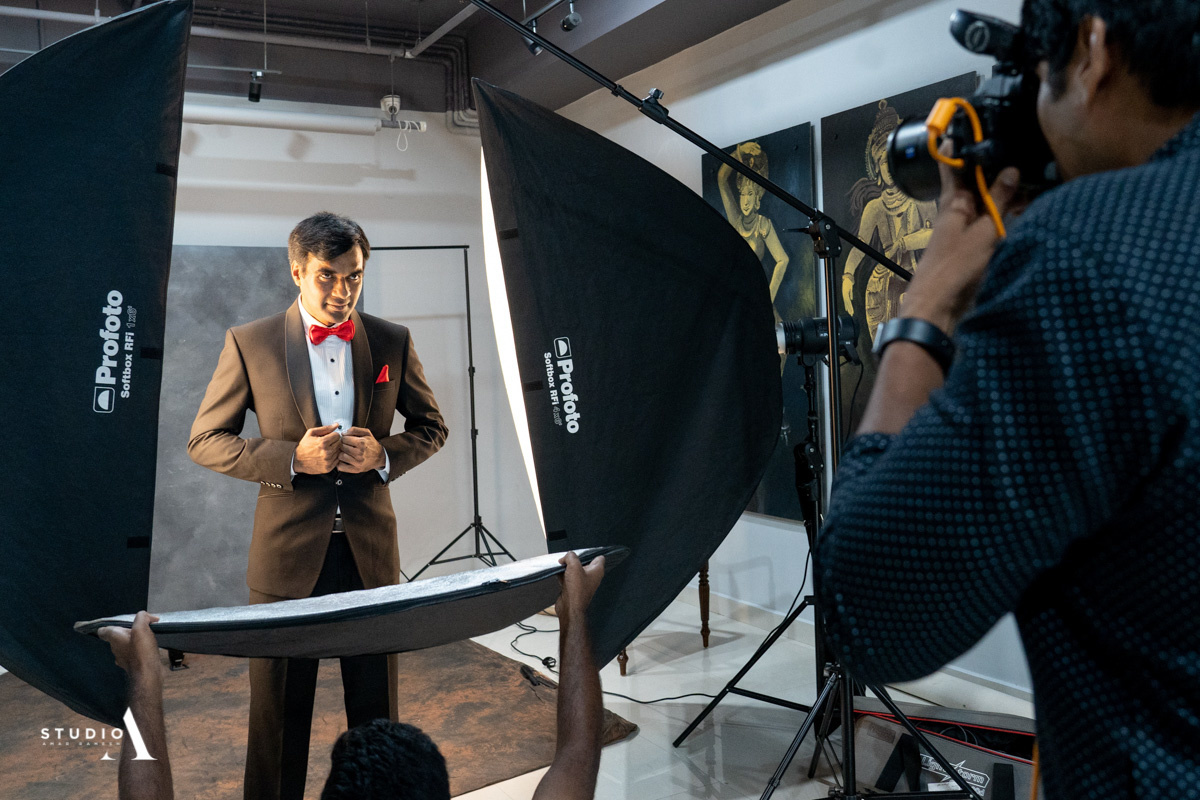
- Softboxes: These accessories diffuse the light, creating a soft and flattering illumination on the subject’s face.
- Reflectors: Useful for bouncing natural light onto your subject, reflectors can help fill in shadows and give a more even look.
- Light Stands: Essential for positioning your lighting equipment at the right angle and height, ensuring flexibility during shoots.
- Continuous Lighting Kits: These provide constant illumination, allowing photographers to see how light interacts with the subject in real-time.
“The right equipment is not just about having the best gear, but understanding how to use it effectively to create compelling and professional portraits.”
Understanding Composition Techniques
Mastering composition techniques is essential for creating visually striking portraits that resonate with viewers. Composition refers to the arrangement of elements within a photograph, influencing how the viewer perceives the image. Effective composition can draw attention to the subject, evoke emotions, and enhance storytelling within the frame. This segment will delve into key composition techniques that every portrait photographer should know.
Rule of Thirds
The rule of thirds is a fundamental guideline in photography that helps create balanced and engaging images. According to this technique, the frame is divided into a grid of nine equal sections by two horizontal and two vertical lines. Positioning the subject along these lines or at their intersections can significantly enhance the visual interest of a portrait. When applying the rule of thirds in portrait photography, consider the following:
- Position the subject’s eyes along the top horizontal line to create a sense of connection with the viewer.
- Place the subject slightly off-center to create a dynamic composition that draws the viewer’s gaze across the image.
- Incorporate negative space around the subject, which can enhance the mood or context of the portrait.
Using the rule of thirds can transform an ordinary portrait into an extraordinary one by making the composition more dynamic and engaging.
Leading Lines
Leading lines are another powerful compositional technique that guides the viewer’s eye towards the subject of the portrait. These lines can be found in various forms, such as roads, pathways, fences, or even natural elements like trees. By strategically incorporating leading lines into portraits, photographers can create a sense of depth and direction.To effectively use leading lines, consider the following:
- Identify natural lines in the environment that lead towards your subject, such as a path drawing the eye in.
- Experiment with different angles to find the most effective lines that enhance the connection between the viewer and the subject.
- Ensure the leading lines do not overpower the subject; they should complement and not distract from the focal point of the portrait.
Leading lines can create a visual pathway, directing attention to the subject and enhancing the storytelling aspect of the portrait.
Framing the Subject
Framing involves using elements within the environment to create a “frame” around the subject, which can enhance the visual narrative and isolate the subject from the background. This technique adds depth and context to the portrait, making it more engaging.Methods for framing the subject include:
- Utilizing natural elements such as branches, windows, or doorways to create a frame around the subject.
- Adjusting the angle and position of the camera to incorporate framing elements in a way that enhances the subject’s prominence.
- Using contrasting colors or textures in the frame to draw additional attention to the subject.
Effective framing can significantly enhance the storytelling aspect by providing context and focusing the viewer’s attention on the subject.
Lighting Techniques for Flattering Portraits
Lighting is an essential aspect in portrait photography that can dramatically influence the mood, depth, and overall quality of the images. Understanding various lighting techniques enables photographers to create flattering portraits that resonate with viewers. The right lighting can enhance facial features, create texture, and establish a compelling atmosphere.
Natural Lighting Options and Their Effects on Portraits
Natural light offers a beautiful and soft quality that is often ideal for portrait photography. The time of day significantly impacts the quality of natural light, with the golden hour—shortly after sunrise or before sunset—providing a warm, flattering glow. Photographers should consider the following when utilizing natural light:
- Soft, Diffused Light: On overcast days, clouds act as natural diffusers, providing soft light that minimizes harsh shadows, making it perfect for portraits.
- Backlighting: Positioning the subject with the light source behind them can create a halo effect and enhance the subject’s Artikel, adding depth to the image.
- Open Shade: Shooting in shaded areas, such as under trees or buildings, prevents direct sunlight from causing unflattering shadows on the face, resulting in even lighting.
Guidelines for Using Artificial Lighting to Create Dramatic Effects
Artificial lighting allows photographers to control the environment and enhance creative expression. The use of different light sources can evoke various moods and atmospheres. Key guidelines include:
- Key Light: The primary light source should be placed at an angle to create dimension and highlight features. A softbox can be used for a flattering effect.
- Fill Light: This light helps reduce harsh shadows created by the key light. It should be softer and less intense, often positioned in front of the subject.
- Background Light: Adding light to the background can separate the subject from the backdrop and add interest to the overall composition.
“Dramatic lighting can transform an ordinary portrait into an extraordinary work of art.”
Working with Reflectors and Diffusers to Enhance Lighting
Reflectors and diffusers are invaluable tools that assist photographers in modifying and manipulating light for optimal results. Their appropriate use can dramatically improve the quality of portraits:
- Reflectors: These devices bounce light back onto the subject, filling in shadows and adding brightness. Different colors, such as silver, gold, and white, can create varying effects—silver for a cooler look, gold for warmth, and white for natural fill.
- Diffusers: Placing a diffuser between the light source and the subject softens harsh light, resulting in a more flattering and even exposure. This is particularly useful in direct sunlight.
- Homemade Solutions: Photographers can use everyday materials, like white bedsheets for diffusion or car windshield reflectors for bouncing light, making these tools accessible and cost-effective.
“Utilizing reflectors and diffusers effectively can elevate your portrait photography to new heights.”
Posing Techniques for Subjects
Effective posing techniques are crucial in portrait photography, as they can profoundly impact the visual appeal and emotional resonance of an image. Different body types necessitate varied posing strategies to highlight the subject’s best features while ensuring a natural look. Understanding how to manipulate posture and direct subjects can lead to striking portraits that convey confidence and authenticity.
Poses for Various Body Types
It is essential to recognize that poses should be tailored to complement different body types. Each individual has unique attributes, and the right pose can enhance these characteristics. Here’s a breakdown of poses suited for various body shapes:
- Athletic Build: For subjects with a toned physique, poses that emphasize strength, such as leaning slightly forward with hands on hips, can create a commanding presence.
- Curvy Figures: Poses that create the illusion of an hourglass shape, such as angling the body away from the camera and placing one hand on the waist, can enhance natural curves.
- Petite Stature: To elongate a smaller frame, suggest poses where the subject stands tall with arms slightly above the waist, creating space and height.
- Plus-Size Bodies: Poses that involve turning the body slightly and placing weight on one leg can create flattering angles, while arms should be kept slightly away from the body to avoid flattening the silhouette.
The Role of Posture in Confidence
Posture significantly influences how a subject is perceived in a portrait. A confident stance can convey strength and assurance, inviting the viewer to engage with the portrait on a deeper level. To enhance posture:
- Encourage subjects to stand tall, with shoulders back and down, which opens up the chest.
- Direct them to elongate their neck and chin slightly forward, which can eliminate double chins and add elegance.
- Utilize the “S-curve” pose, where the body is slightly twisted, to create a dynamic and visually appealing line.
- Maintain a relaxed demeanor; tense poses can convey discomfort, detracting from the overall impression of confidence.
Directing Subjects for Genuine Expressions
Capturing authentic emotions is vital in portrait photography, as genuine expressions resonate more profoundly with viewers. Directing subjects effectively helps evoke these natural responses. Here are some techniques:
- Engage in conversation to create a relaxed atmosphere; this helps subjects feel more comfortable and at ease.
- Encourage laughter or light-hearted moments by sharing anecdotes or jokes, which can lead to spontaneous and genuine smiles.
- Utilize a series of prompts, like asking subjects to think of a fond memory, to elicit various emotional responses.
- Incorporate movement, such as gentle swaying or shifting weight from one foot to the other, to avoid stiff poses and encourage more natural expressions.
“The essence of a great portrait lies in the connection between the subject and the viewer, achieved through confident posing and genuine expressions.”
Background Selection and Management
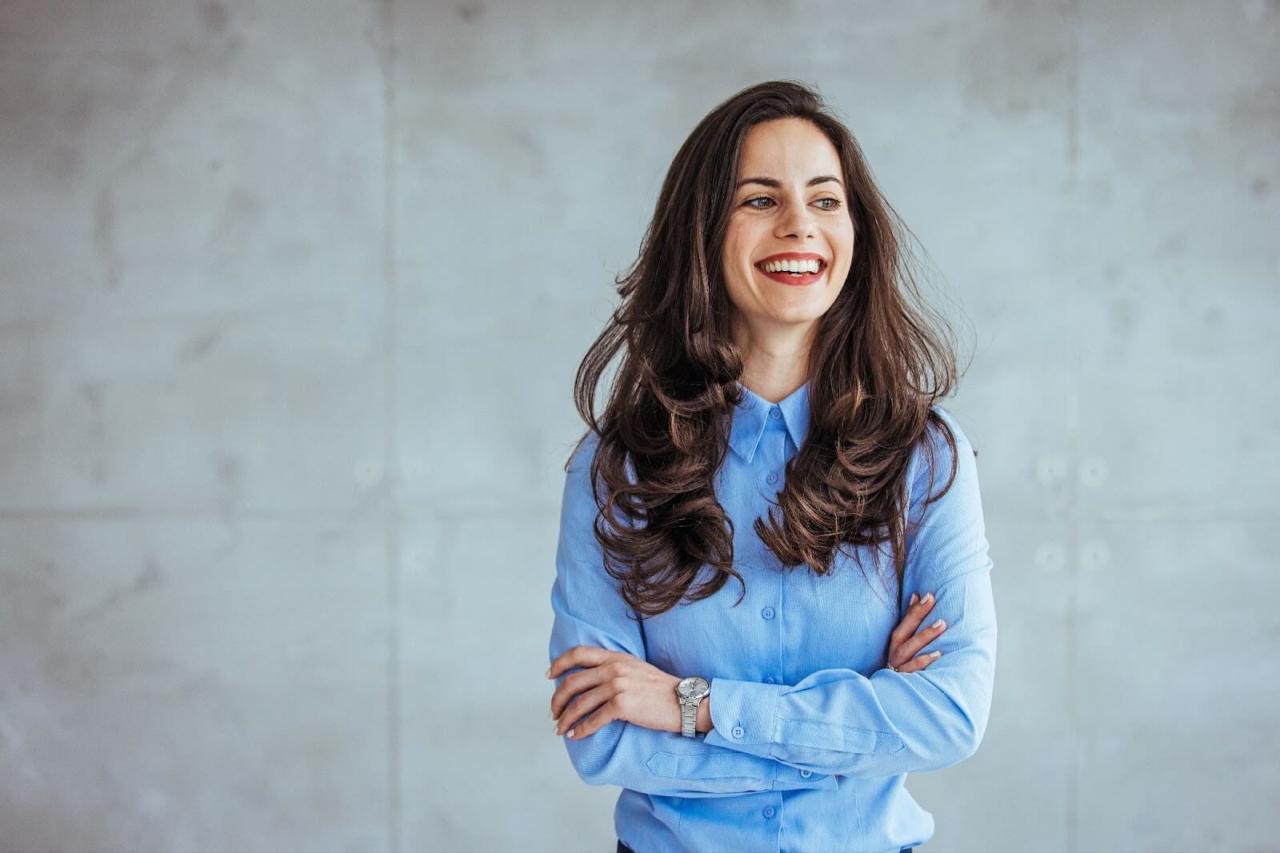
Choosing the right background is essential for creating professional-looking portraits that effectively showcase the subject. A well-selected background can enhance the portrait’s overall aesthetic, add context, and contribute to the storytelling aspect of the image. Understanding how to manage backgrounds is crucial for photographers aiming to elevate their work.When selecting backgrounds, it is important to consider colors, textures, and patterns that complement the subject without drawing attention away from them.
The background should harmonize with the subject’s attire and the overall mood of the portrait. For instance, neutral colors work well in keeping the focus on the subject, while textured backgrounds can add depth and interest without competing for visual attention.
Creating Depth Through Background Blur
One effective technique for managing backgrounds is the use of depth through background blur, also known as bokeh. This technique helps isolate the subject by creating a soft-focus effect behind them. By utilizing a wide aperture setting on the camera, photographers can achieve a shallow depth of field, which blurs the background and emphasizes the subject. This effect can be enhanced by carefully positioning the subject away from the background.
The greater the distance between the subject and the background, the more pronounced the blur will be. To illustrate, when photographing a person in a garden, positioning them at least several feet away from the flowers ensures that the vibrant colors of the blooms remain indistinct and visually appealing, while the subject remains in sharp focus.
Using Props and Settings to Enhance Storytelling
Integrating props and specific settings into portraits can significantly enrich the narrative quality of the images. Props should be thoughtfully selected to reflect the subject’s personality or interests, thereby adding depth to the portrayal. For example, a musician may be photographed with their instrument, or an artist may be shown with their tools. Settings also play a key role in storytelling; a subject photographed in a cozy café can convey warmth and familiarity, while an urban environment may express excitement and modernity.
The context provided by the background can evoke emotions and tell a story about the subject’s life and experiences. To effectively use props and settings, one can consider the following points:
- Select props that are meaningful to the subject.
- Ensure the setting complements the overall theme of the portrait.
- Maintain a balance between the subject and the background elements to avoid distraction.
- Think creatively; unconventional settings can produce striking results.
By carefully selecting backgrounds, utilizing depth through blur, and incorporating relevant props and settings, photographers can create compelling portraits that resonate with viewers, effectively capturing the essence and story of the subjects.
Post-Processing Techniques
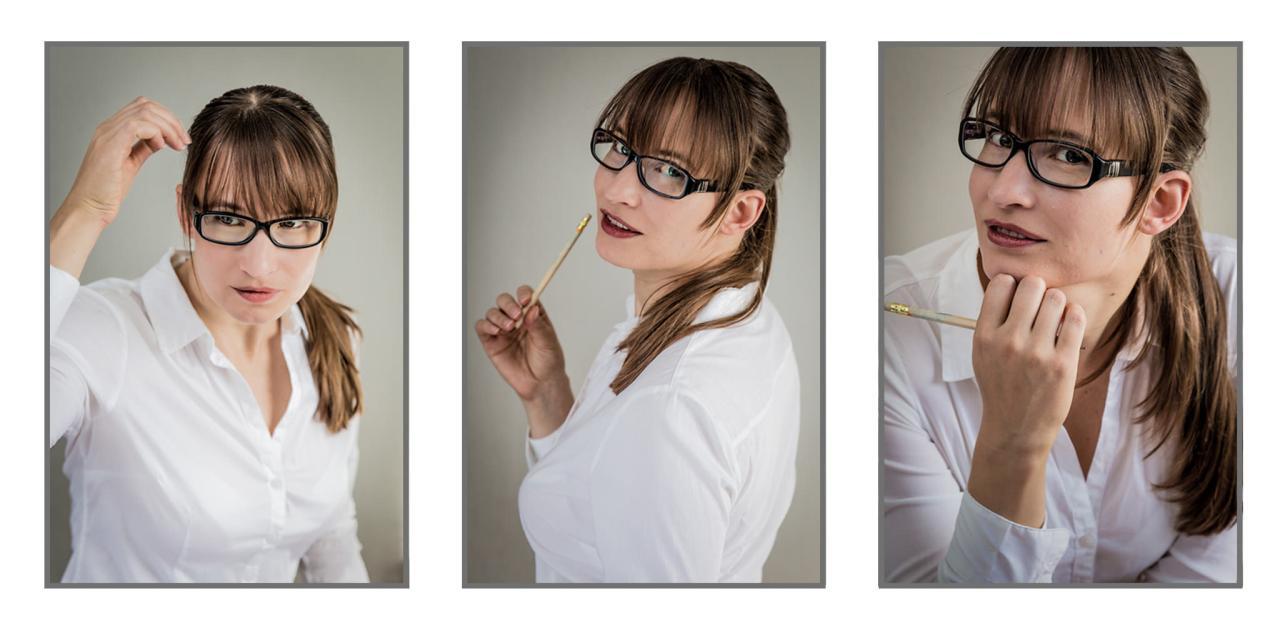
Post-processing is a critical phase in portrait photography that can significantly enhance the final image quality. This stage involves using various editing software to refine details, correct colors, and ensure that the portrait captures the essence of the subject effectively. Mastering post-processing techniques can elevate an amateur photograph to a professional level, making it essential for photographers aiming to create compelling portraits.
Essential Photo Editing Software Options
Selecting the right photo editing software is crucial for successful post-processing. Various options cater to different skill levels and editing needs. The following software is highly regarded in the photography community:
- Adobe Lightroom: Known for its user-friendly interface and robust cataloging features, Lightroom offers excellent tools for color correction, exposure adjustments, and batch processing.
- Adobe Photoshop: This powerful tool provides advanced editing capabilities, including intricate retouching, layer management, and blending options, making it ideal for detailed portrait enhancements.
- Capture One: Favored by professional photographers, Capture One offers exceptional color grading and tethering capabilities, allowing for precise editing and organization of images.
- Affinity Photo: A cost-effective alternative to Photoshop, Affinity Photo provides advanced editing tools and a one-time purchase model, making it appealing for budget-conscious photographers.
Steps for Retouching Skin and Improving Overall Image Quality
Retouching skin is a vital element of portrait enhancement that can significantly affect the overall aesthetic. The following steps Artikel an effective process for skin retouching:
- Initial Cleanup: Begin by using tools like the healing brush or clone stamp to remove blemishes and distractions.
- Smoothing Skin: Apply frequency separation techniques to separate the texture from color, allowing for smoother skin tones without losing detail.
- Dodging and Burning: Use dodging and burning techniques to enhance highlights and shadows, adding dimension to facial features.
- Sharpening: Apply subtle sharpening to the eyes and hair to draw attention to key features while keeping skin soft.
Color Correction and Its Impact on Final Portraits
Color correction is essential in ensuring that portraits reflect true skin tones and overall mood. Accurate color representation can evoke emotions and set the tone for the portrait. The following techniques are commonly employed in color correction:
- White Balance Adjustment: Correcting the white balance ensures that colors appear natural and aligned with the lighting conditions in which the photo was taken.
- Saturation and Vibrance: Adjusting saturation affects the intensity of all colors, while vibrance selectively enhances subdued colors, providing a balanced and dynamic look.
- Curves and Levels: Using curves and levels can help to fine-tune the brightness and contrast, thereby enhancing the depth and richness of colors.
“Effective post-processing not only enhances the aesthetic appeal of portraits but also ensures that the viewer connects with the subject on a deeper level.”
Common Mistakes and How to Avoid Them
Despite the passion and enthusiasm amateur photographers bring to portrait photography, several common mistakes can hinder their progress and the quality of their images. Recognizing these pitfalls is crucial for anyone looking to elevate their portrait skills. By understanding these errors, photographers can implement strategies that enhance their work and foster a more professional approach to portraiture.
Frequent Errors in Portrait Photography
Amateur photographers often encounter specific errors that can detract from the overall quality of their portraits. Awareness of these mistakes allows for more mindful practices in their photography journey. The following points highlight some of the prominent pitfalls:
- Inadequate Lighting: Many beginners overlook the importance of proper lighting, leading to harsh shadows or blown-out highlights. Utilizing natural light or investing in softbox lights can significantly improve image quality.
- Poor Composition: Rushing to capture a shot without considering framing often results in distracting elements within the image. Applying the rule of thirds can guide photographers in composing more compelling portraits.
- Neglecting Focus: Out-of-focus subjects can cause frustration and disappointment. Regularly checking the focus point, especially in portraits where the eyes must be sharp, is essential.
- Ignoring Backgrounds: A cluttered or distracting background can take attention away from the subject. Taking the time to evaluate the background or using a shallow depth of field can enhance the portrait’s focus.
- Inconsistent Posing: Photographers might struggle with directing their subjects, leading to stiff or unnatural poses. Practicing different posing techniques and communicating openly with subjects can elicit more genuine expressions.
Troubleshooting Lighting and Composition Problems
Addressing lighting and composition issues requires a blend of technical knowledge and creative solutions. Photographers can enhance their skills by utilizing specific strategies to overcome challenges:
- Utilize Reflectors: Reflectors can bounce light onto the subject, filling in shadows and creating a more even illumination, particularly in outdoor settings.
- Adjust Camera Settings: Familiarity with aperture, shutter speed, and ISO settings allows photographers to adapt to varying lighting conditions, ensuring optimal exposure.
- Experiment with Angles: Changing the shooting angle can dramatically affect composition, allowing for more dynamic and engaging portraits.
- Practice with Negative Space: Incorporating negative space into compositions can direct viewers’ attention to the subject and bring a sense of balance to the portrait.
- Review and Analyze: Regularly reviewing previous work can help identify patterns in mistakes, enabling the photographer to consciously avoid them in future sessions.
The Importance of Practice and Continuous Learning
Improving portrait photography skills is an ongoing journey that requires dedication and a willingness to learn. Consistent practice not only sharpens technical abilities but also fosters creativity. Engaging with various resources such as books, online courses, and photography workshops can provide valuable insights and inspiration. Photographers should also seek feedback from peers or mentors, as constructive criticism can illuminate areas for improvement.
By setting realistic goals and committing to regular practice, photographers can track their progress over time and develop a unique style that distinguishes their work.
“Every expert was once a beginner; the key is to keep learning and practicing.”
Last Point
In conclusion, mastering the art of portrait photography is a journey that combines technical skills, creativity, and a deep understanding of your subjects. By embracing the techniques discussed, from effective posing to thoughtful background selection, you can elevate your portraits to a professional level. Remember, continuous practice and learning are key to refining your skills and capturing the stunning images that tell powerful stories.