How to Take Delicious-Looking Food Photos draws readers into the art of food photography, where visual appeal meets culinary creativity. This engaging guide unfolds the essential elements that transform ordinary food images into captivating compositions, helping both amateurs and professionals alike capture the essence of their culinary creations.
From mastering the fundamentals of lighting and composition to the intricate techniques for styling and post-processing, this exploration offers valuable insights that will elevate your food photography skills. Whether you are preparing a simple dish or an elaborate feast, understanding the nuances of photographing food is crucial for creating images that not only look delicious but also tell a story.
Understanding Food Photography Basics
Food photography is a captivating art that captures the essence of culinary creations, making them visually appealing and enticing. A successful food photograph has the power to evoke emotions, stimulate appetites, and tell a story about the dish being presented. To achieve stunning food images, it is crucial to comprehend the fundamental elements that contribute to effective food photography, including lighting, composition, and the necessary equipment.
Importance of Lighting in Food Photography
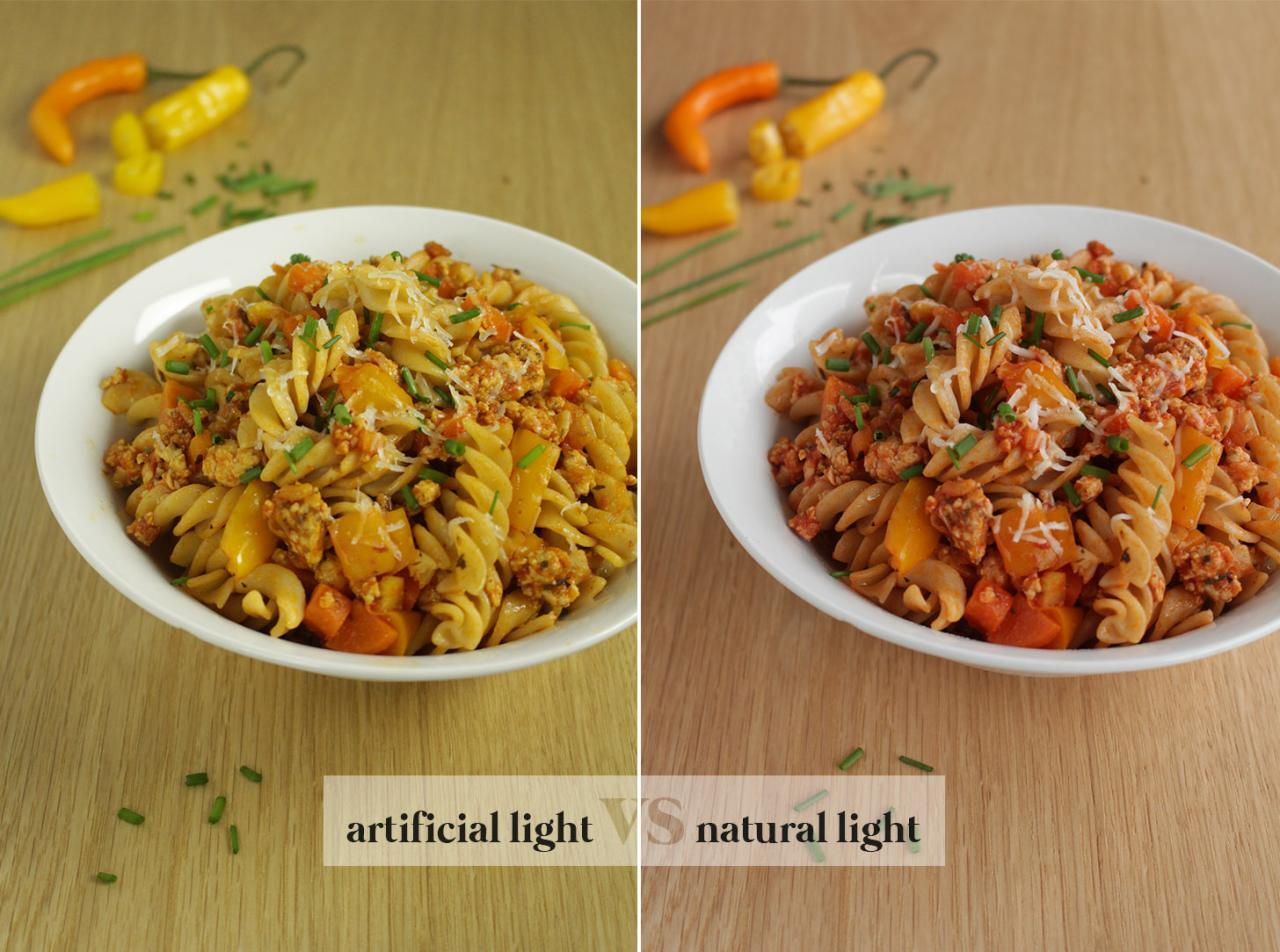
Lighting is one of the most critical aspects of food photography, as it directly influences the mood and quality of the image. Natural light is often preferred for food photography due to its ability to produce soft, flattering illumination that enhances the colors and textures of the food. When shooting indoors, positioning the food near a window can yield beautiful results.
In contrast, artificial lighting can be controlled to eliminate harsh shadows and create desired effects. However, it is essential to use diffusers to soften the light and avoid unappealing highlights on the food. The golden hour, shortly after sunrise or before sunset, is especially sought after for its warm tones that can make food appear more appetizing.
Natural light enhances colors and textures, creating visually appealing food images.
Significance of Composition in Creating Appealing Food Images
Composition involves the arrangement of elements within the frame to create a harmonious and engaging image. Several techniques can be employed to enhance food photography composition:
Rule of Thirds
This principle divides the image into a grid of nine equal sections. Placing the subject along these lines or at their intersections can create a balanced and dynamic composition.
Leading Lines
Utilizing lines in the scene, such as utensils or table edges, can guide the viewer’s eye towards the food.
Negative Space
Incorporating empty space around the subject can emphasize the food and create a sense of cleanliness and simplicity.Each of these techniques can be tailored to fit the style and message of the photograph, allowing photographers to convey emotion and narrative effectively.
Effective composition guides the viewer’s eye and enhances the appeal of food images.
Essential Equipment for Taking Food Photos
While it is possible to take appealing food photos with a smartphone, having the right equipment can significantly improve the quality of your images. Below are key items that contribute to successful food photography:
Camera
A DSLR or mirrorless camera is ideal for flexibility and control over settings like aperture and shutter speed.
Lenses
A macro lens is excellent for capturing intricate details, while a standard zoom lens offers versatility for different shots.
Tripod
This stabilizing device allows for longer exposure times without motion blur, especially in low-light situations.
Reflectors
These tools help manipulate light, ensuring even illumination on the subject and reducing harsh shadows.Investing in these essential pieces of equipment allows photographers to experiment with various techniques and achieve professional-quality images.
High-quality equipment enhances photography and allows for creative exploration.
Styling and Preparing Food for Photos
The art of food styling and preparation plays a pivotal role in capturing mouth-watering images that entice viewers and elevate culinary creations. A well-styled plate can transform an ordinary dish into a visual feast, making it important to pay attention to both presentation and details. By employing effective techniques for plating, enhancing ingredient appeal, and thoughtfully selecting garnishes, photographers can create stunning images that not only attract attention but also evoke emotion.
Plating Techniques for Attractive Presentation
Plating is a critical aspect of food photography as it sets the stage for the dish to shine. To create visually appealing presentations, chefs and food stylists often utilize several techniques that emphasize color, shape, and texture. A few essential techniques include:
- Layering: Using height and layers in plating can add depth and dimension. Stacking ingredients or using rings can create a striking focal point.
- Negative Space: Leaving space around the food can draw attention to the dish itself. This technique helps to create a clean and organized look, allowing the viewer to focus on the food.
- Color Contrast: Utilizing complementary colors between the dish and its surroundings enhances visual appeal. For instance, a vibrant green garnish can enliven a plate with neutral-colored food.
- Symmetry and Balance: Arranging elements in a balanced way creates harmony on the plate. Striking a balance between various components ensures the dish looks inviting and well thought out.
Enhancing the Visual Appeal of Ingredients
The visual quality of individual ingredients contributes significantly to the overall aesthetic of a food photograph. Enhancing their appeal can be achieved through various methods:
- Freshness: Always use the freshest ingredients possible. Fresh produce will inherently have vibrant colors and textures that are visually appealing.
- Cleaning and Trimming: Thoroughly cleaning and properly trimming ingredients can eliminate any blemishes or distracting elements. Clean edges and surfaces help to highlight the quality of the food.
- Arranging Ingredients: Grouping similar ingredients together can create a cohesive look. For example, arranging herbs or spices in a small bowl can add texture and interest without overwhelming the main dish.
- Natural Light: Utilizing natural light can enhance the colors and textures of the ingredients, making them appear more lively and appetizing in photographs.
Selecting Complementary Garnishes
Garnishes serve as the finishing touch to a dish, providing additional color, texture, and flavor. Selecting appropriate garnishes can elevate the overall presentation significantly:
- Herbs: Fresh herbs such as parsley, basil, or cilantro not only enhance the dish’s flavor but also add a pop of color and texture when placed strategically atop the food.
- Edible Flowers: Edible flowers are visually striking and can introduce unique colors and shapes. Examples include nasturtiums and pansies, which can add a touch of elegance.
- Sauces and Drizzles: A well-placed drizzle or dot of sauce can create visual interest and stimulate the appetite. Using a squeeze bottle allows for precision in application.
- Textures: Introducing elements with contrasting textures, such as crunchy nuts or crispy fried onions, can make the dish more enticing by adding a sensory element to the visual presentation.
“Great food photography is not just about what you see, but also how it makes you feel.”
Choosing the Right Backgrounds and Props
Selecting the appropriate backgrounds and props is crucial in food photography as they can significantly influence the visual appeal of the final image. A well-chosen background complements the food, bringing out its colors and textures while enhancing the overall aesthetic without overpowering the main subject. This section will discuss effective strategies for selecting backgrounds that highlight food, examples of props that can enhance aesthetics, and color schemes that work harmoniously with different cuisines.
Background Selection Techniques
The background plays a vital role in framing the food and can either elevate or detract from its presentation. When selecting a background, consider the following techniques:
- Neutral Textures: Utilizing neutral surfaces, such as wooden tables, marble counters, or linen tablecloths, can provide a soft contrast to vibrant dishes. This approach allows the food to be the focal point.
- Color Coordination: Choose backgrounds that complement the color palette of the food. For instance, earthy tones work well with rustic dishes, while bright colors can enhance fresh salads or fruity desserts.
- Contextual Settings: Incorporating backgrounds that tell a story, such as a kitchen setting or a rustic dining table, can add depth to the photograph. This method creates an atmosphere that resonates with the viewer.
Enhancing Food Aesthetics with Props
Props can enhance the visual storytelling of food photography by adding layers of interest and depth. When incorporating props, it is essential to choose items that align with the food being photographed. Here are examples of effective props:
- Dishes and Utensils: Select plates, bowls, and cutlery that complement the cuisine. For instance, using traditional Japanese tableware for sushi enhances authenticity.
- Fresh Ingredients: Including raw ingredients used in the dish as props, such as herbs, spices, or fruits, can create a more inviting and relatable scene.
- Textiles: Napkins, tablecloths, or placemats can add a touch of elegance. Textured fabrics, like burlap or lace, can introduce warmth and character.
Color Schemes for Various Cuisines
Understanding the color schemes that resonate with different cuisines can guide the selection of backgrounds and props. Each cuisine has particular colors that evoke its essence:
- Italian Cuisine: Rich reds, greens, and whites can be used to reflect the vibrant ingredients like tomatoes, basil, and mozzarella. Terracotta dishes or rustic wooden backgrounds enhance this aesthetic.
- Japanese Cuisine: Subdued colors such as soft whites, greys, and pastels can complement the delicate presentation of sushi and sashimi. Bamboo mats or ceramic plates can add authenticity.
- Mexican Cuisine: Bright and bold colors are characteristic of Mexican dishes. Colorful tableware and vibrant textiles can enhance the festive nature of the food.
“The right background and props not only highlight the food but also create an inviting atmosphere that engages viewers and enhances their culinary experience.”
Techniques for Capturing the Perfect Shot

Successful food photography hinges on mastering several techniques that elevate the visual appeal of your dishes. Understanding how to manipulate camera settings, explore various angles, and emphasize textures can significantly enhance the quality of your food images. This section will delve into these essential techniques, providing insights that will help you capture enticing and delicious-looking food photographs.
Adjusting Camera Settings for Food Photography
To achieve the best results in food photography, it is crucial to configure your camera settings appropriately. The following settings should be considered:
Aperture
A wide aperture (small f-stop number, such as f/2.8 or f/4) allows for a shallow depth of field, which beautifully blurs the background while keeping the subject in sharp focus. This technique draws attention to the food, creating an elegant and professional look.
Shutter Speed
Food photography often benefits from a slower shutter speed to allow more light into the camera, especially in lower-light conditions. However, ensure the shutter speed is fast enough to prevent motion blur, particularly if you are photographing moving elements, such as pouring syrup or bubbling sauces.
ISO
Adjusting the ISO setting helps manage the camera’s sensitivity to light. A lower ISO setting (100-400) is preferable to reduce noise and graininess, resulting in clearer images. In dimly lit environments, you may need to increase the ISO, but be cautious as this can introduce undesirable noise.
White Balance
Correctly setting the white balance ensures that colors appear natural. Different light sources can cast varying hues, so adjusting the white balance to match the lighting condition will keep your food looking its true color.
Angles and Perspectives in Food Photography
The angle from which a shot is taken plays a pivotal role in how food is presented. Experimenting with various angles allows photographers to find the most flattering perspective for each dish:
Overhead (Bird’s Eye View)
This angle is ideal for flat-lay compositions, where the entire plate or spread is visible. It works well for dishes with multiple components, such as salads or brunch spreads.
45-Degree Angle
This perspective mimics the way diners typically view their plates, making it suitable for dishes like burgers or stacked items. It highlights texture and layering, providing depth to the composition.
Eye Level
Shooting at eye level allows for a more intimate and engaging approach. It is particularly effective for foods that are served in bowls or cups, capturing the inviting nature of the dish.
Close-Ups
Focusing on specific elements of the dish can showcase the details and textures, such as the glistening glaze on a dessert or the fresh herbs garnishing a savory dish. Close-ups can evoke taste and appeal to the viewer’s senses.
Focusing on Textures and Details in Food
Capturing the intricate textures and details of food is essential in food photography. This can dramatically enhance the appeal of your images. To effectively highlight these aspects, consider the following techniques:
Selective Focus
Using a wide aperture not only blurs the background but also isolates specific textures, such as the frothy cream on a cappuccino or the crispy edges of a pie crust. This technique draws the viewer’s attention to the most tantalizing parts of the dish.
Lighting
Natural light is often the best choice for showcasing food textures. Soft, diffused sunlight can accentuate the smoothness of sauces or the roughness of crusts. Positioning the food near a window can create beautiful highlights and shadows, enhancing the three-dimensional feel of the dish.
Props and Styling
Incorporating props that complement the food’s texture can enhance the visual story. For instance, a rustic wooden table or a textured linen napkin can add depth and context to the image. Additionally, the way food is styled can emphasize certain textures, such as drizzling oil over a salad to highlight its freshness.
Macro Photography
Using a macro lens allows for extreme close-up shots that reveal minute details often overlooked, such as the delicate bubbles in a whipped cream topping or the grains of salt on a steak. This technique can bring a sense of intimacy to your food photography, inviting viewers to appreciate the craftsmanship of the dish.
Post-Processing Techniques for Food Images
Post-processing is a crucial phase in food photography that allows photographers to enhance their images and achieve a polished, professional look. The editing process not only enhances visual appeal but also helps convey the story behind the food, creating an emotional connection with the viewer. This segment will delve into essential post-processing techniques that can elevate food photography.
Importance of Editing in Enhancing Food Photos
Editing plays a significant role in food photography by correcting minor imperfections and enriching the overall aesthetics of the image. The right adjustments can amplify colors, enhance textures, and make the food appear more appetizing. Properly edited images can evoke emotions and stimulate appetites, making editing an essential skill for any food photographer.
Color Correction and Brightness Adjustments
To ensure food images look vibrant and appealing, color correction and brightness adjustments are fundamental techniques. Adjusting brightness can eliminate distracting shadows, highlighting the food’s natural colors. Color correction ensures that the hues of the ingredients are true to life and appealing. When using editing software, consider the following tips:
- Use Curves and Levels: Adjust curves and levels to balance contrast and enhance brightness without losing details.
- White Balance Adjustment: Correcting the white balance helps achieve true color representation, making the food look fresh and appetizing.
- Saturation and Vibrance: Utilize saturation sparingly to avoid unnatural colors, while vibrance can enhance less saturated colors without affecting skin tones or other elements.
- Exposure Adjustments: Fine-tune exposure to enhance the brightness of the entire image or specific areas, drawing attention to key details.
Cropping and Framing Images Post-Shoot
Cropping and framing are essential techniques that can dramatically influence the composition of a food image. Effective cropping can enhance the focal point of the image, guiding the viewer’s eye towards the main subject while eliminating any distracting elements.Key methods for cropping and framing include:
- Rule of Thirds: Applying the rule of thirds can create dynamic compositions by positioning the main subject off-center for a more engaging visual flow.
- Eliminate Distractions: Crop out any unnecessary elements that do not contribute to the story of the image, ensuring that the food remains the star of the photograph.
- Aspect Ratio Considerations: Determine the aspect ratio that best suits your platform, such as square for Instagram or landscape for blog headers, to optimize display.
- Framing Techniques: Use natural frames such as plates, utensils, or even hands to create depth and context, which can enhance the narrative of the image.
Creative Approaches to Food Photography
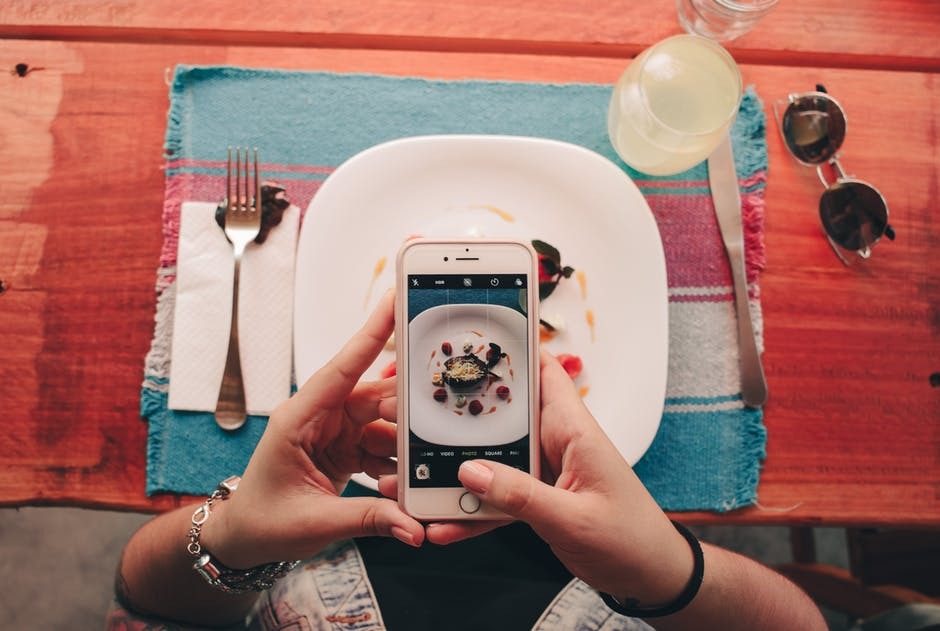
In the realm of food photography, creativity serves as a vital ingredient that elevates images from mere representations of food to compelling visual narratives. By exploring unique themes and innovative concepts, photographers can craft images that resonate with viewers and tell a story, creating a deeper connection with the audience. This section delves into various creative approaches that can enhance food photography and make it more engaging.
Unique Themes and Concepts for Food Photography Sessions
Developing a distinctive theme or concept is essential in food photography, as it sets the tone and context for the images. A well-chosen theme can provide direction and inspiration throughout the shooting process. Here are some effective themes to consider:
- Farm-to-Table: Highlight the journey of food from the source to the plate. Incorporate elements such as fresh produce, rustic settings, and natural light to emphasize authenticity.
- Cultural Celebrations: Capture the essence of various food traditions and festivals. Use props and colors associated with specific cultures to convey the significance of the dishes.
- Seasonal Changes: Tailor your photography to reflect the seasons. Utilize seasonal ingredients and landscapes to showcase how food varies throughout the year.
- Minimalism: Embrace simplicity by focusing on single ingredients or dishes in uncluttered settings. This approach draws attention to the food itself, allowing its natural beauty to shine.
Storytelling Through Food Imagery
Food photography can effectively narrate a story, engaging viewers emotionally and intellectually. Each image can encapsulate a moment, a feeling, or a memory associated with food. Here are some ways to infuse storytelling into food photography:
- Contextual Settings: Position food within a relevant environment that enhances the narrative. For instance, photographing a homemade pie cooling on a windowsill evokes nostalgia and warmth.
- Action Shots: Capture moments of preparation, such as pouring ingredients or garnishing a dish. These dynamic images create a sense of movement and involvement.
- Personal Connections: Include elements that reflect personal stories, such as family heirlooms or traditional recipes. This adds a layer of depth and relatability to the images.
Incorporating Seasonal Elements in Food Photography
Seasonality plays a crucial role in food photography, as it allows photographers to explore the vibrant colors, textures, and flavors that define different times of the year. Using seasonal elements not only enhances the aesthetic appeal but also connects the imagery to the natural rhythms of food production. Here are strategies for integrating seasonal elements:
- Seasonal Ingredients: Focus on ingredients that are at their peak during specific seasons, such as fresh berries in summer or root vegetables in fall. This emphasizes the connection between food and its season.
- Seasonal Props: Utilize props that reflect the season, such as pumpkins in autumn or flowers in spring. These elements add context and atmosphere to the compositions.
- Color Palettes: Adjust your color choices to align with seasonal themes. Warm tones in winter and bright, vibrant hues in summer can evoke the essence of each season.
Sharing and Promoting Food Photography
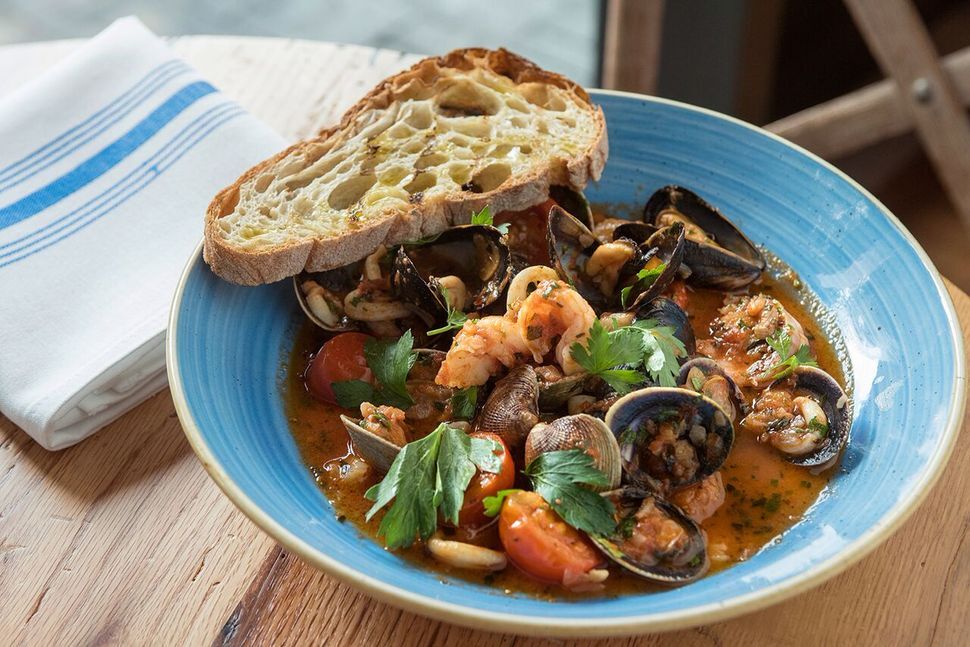
Showcasing your food photography effectively is crucial for gaining visibility and attracting potential clients. In today’s digital age, social media platforms serve as vibrant galleries where photographers can share their work and connect with audiences. Understanding how to navigate these platforms can significantly enhance your reach and engagement.To successfully promote your food photography, it is essential to utilize effective strategies that capture the attention of viewers while showcasing the quality and artistry of your images.
Engaging captions and strategic use of hashtags play a pivotal role in this process, helping to increase discoverability and engagement rates.
Strategies for Showcasing Food Photography on Social Media
Utilizing social media as a platform for sharing food photography requires a thoughtful approach to content creation and interaction. Consider the following points to enhance your social media presence:
- Select the Right Platform: Focus on visual-centric platforms such as Instagram and Pinterest, which are particularly well-suited for food photography, as they emphasize aesthetics.
- Post Consistently: Develop a regular posting schedule to keep your audience engaged and informed. Consistency helps build anticipation among followers.
- Utilize Stories and Reels: Take advantage of features like Instagram Stories and Reels to share behind-the-scenes content, quick tips, or time-lapse videos of your food preparation to foster engagement.
- Engage with Your Audience: Respond to comments and direct messages promptly. Asking questions in your captions can encourage followers to interact with your posts.
The Importance of Engaging Captions and Hashtags
Captions are critical in enhancing the viewer’s experience, adding context and personality to your photographs. Thoughtfully crafted captions can evoke emotions, tell a story, or share the inspiration behind the dish. Additionally, effective use of hashtags can dramatically increase the visibility of your posts.
- Crafting Engaging Captions: Use a conversational tone to connect with your audience. Share anecdotes or cooking tips that relate to the image and encourage followers to share their thoughts.
- Researching Hashtags: Identify popular hashtags in the food photography niche, as well as specific tags related to your style or subject matter (e.g., #Foodie, #InstaFood, #FoodStyling). Combining broad and niche hashtags can maximize your reach.
- Creating a Unique Hashtag: Develop a branded hashtag that encapsulates your photography style or business. Encourage your audience to use it, creating a sense of community around your work.
Building a Portfolio to Attract Clients
A well-curated portfolio is essential for showcasing your skills and attracting potential clients in food photography. It serves as a visual resume that highlights your unique style and versatility.
- Showcase Diversity: Include a variety of food types, styles, and settings in your portfolio. This demonstrates your ability to adapt and cater to different client needs.
- High-Quality Images: Ensure that all images in your portfolio are of the highest quality. Use your best work to make a strong first impression on potential clients.
- Personal Projects: Include personal projects or collaborations that showcase your creativity and passion for food photography. These can be powerful indicators of your artistic vision.
“A captivating portfolio tells a story and showcases not just technical skills but also the photographer’s unique perspective.”
Last Word
In conclusion, the journey of How to Take Delicious-Looking Food Photos is not merely about snapping pictures; it is about crafting visual narratives that entice and inspire viewers. By implementing the techniques and creative strategies discussed, you can effectively showcase the beauty of food and create a tantalizing visual experience that resonates with your audience.