How to Take Beautiful Photos While Traveling sets the stage for this enthralling narrative, offering readers a glimpse into a story that is rich in detail and brimming with originality from the outset. This guide delves into the essentials of travel photography, covering crucial aspects such as the right equipment, effective techniques, and the art of storytelling through images, ensuring that every traveler can capture the essence of their journey beautifully.
From selecting lightweight camera gear to mastering composition and lighting, each section emphasizes practical tips that can enhance your photography skills. Whether you are navigating bustling urban environments or serene landscapes, this comprehensive approach will equip you with the knowledge to create stunning visual narratives that resonate with your audience.
Camera Equipment for Travel Photography
Travel photography captures not only the beauty of the destinations visited but also the essence of the journey itself. To ensure that your images reflect the vibrancy and diversity of the world around you, having the right camera equipment is essential. This section Artikels the fundamental gear that every travel photographer should consider, focusing on mobility, safety, and optimal image quality.
Essential Camera Gear for Travel Photography
Selecting the appropriate camera equipment plays a crucial role in achieving stunning travel photographs. Below is a list of essential gear and their importance:
- Camera Body: A lightweight and compact camera body, such as a mirrorless camera, is ideal for travel due to its portability without compromising image quality.
- Lenses: A versatile lens selection is vital. A standard zoom lens (e.g., 24-70mm) is multifunctional for landscapes and portraits, while a prime lens (e.g., 50mm) offers excellent low-light performance.
- Tripod: A travel tripod should be lightweight yet sturdy. Compact options like a carbon fiber tripod offer stability for long exposures and nighttime photography.
- Filters: Circular polarizers enhance colors and reduce glare, while neutral density filters allow for longer exposure times in bright conditions, enabling creative effects.
The combination of these items ensures that one is equipped to handle various shooting scenarios while traveling, from bustling city streets to serene landscapes.
Advantages of Using Lightweight Equipment for Mobility
When traveling, minimizing weight is paramount to maintain ease of movement and comfort. Heavy equipment can be cumbersome and may discourage spontaneous photography opportunities. Lightweight gear enhances mobility, enabling photographers to navigate diverse environments effortlessly.For instance, using a mirrorless camera system not only reduces weight but also facilitates quick adjustments and shooting in dynamic situations. A smaller camera body paired with lightweight lenses allows for extended exploration without the burden of heavy loads.
Tips for Maintaining Gear Safety While Traveling
Ensuring the safety of camera equipment while traveling is vital to protect your investment and ensure continuous shooting. Here are several strategies for maintaining gear safety:
- Use a padded camera bag: Investing in a quality camera bag with padding protects the equipment from impacts and weather conditions.
- Secure your gear: Always keep your camera gear close and secure in crowded places, using straps or integrating it into your luggage.
- Insurance: Consider obtaining insurance for your equipment, covering theft or damage during your travels.
- Be mindful of the environment: Protect your gear from elements such as sand, water, and extreme temperatures by using weather-resistant bags or enclosures.
Implementing these tips will not only safeguard your equipment but also provide peace of mind, allowing you to focus on capturing beautiful moments during your travels.
Techniques for Capturing Stunning Travel Photos
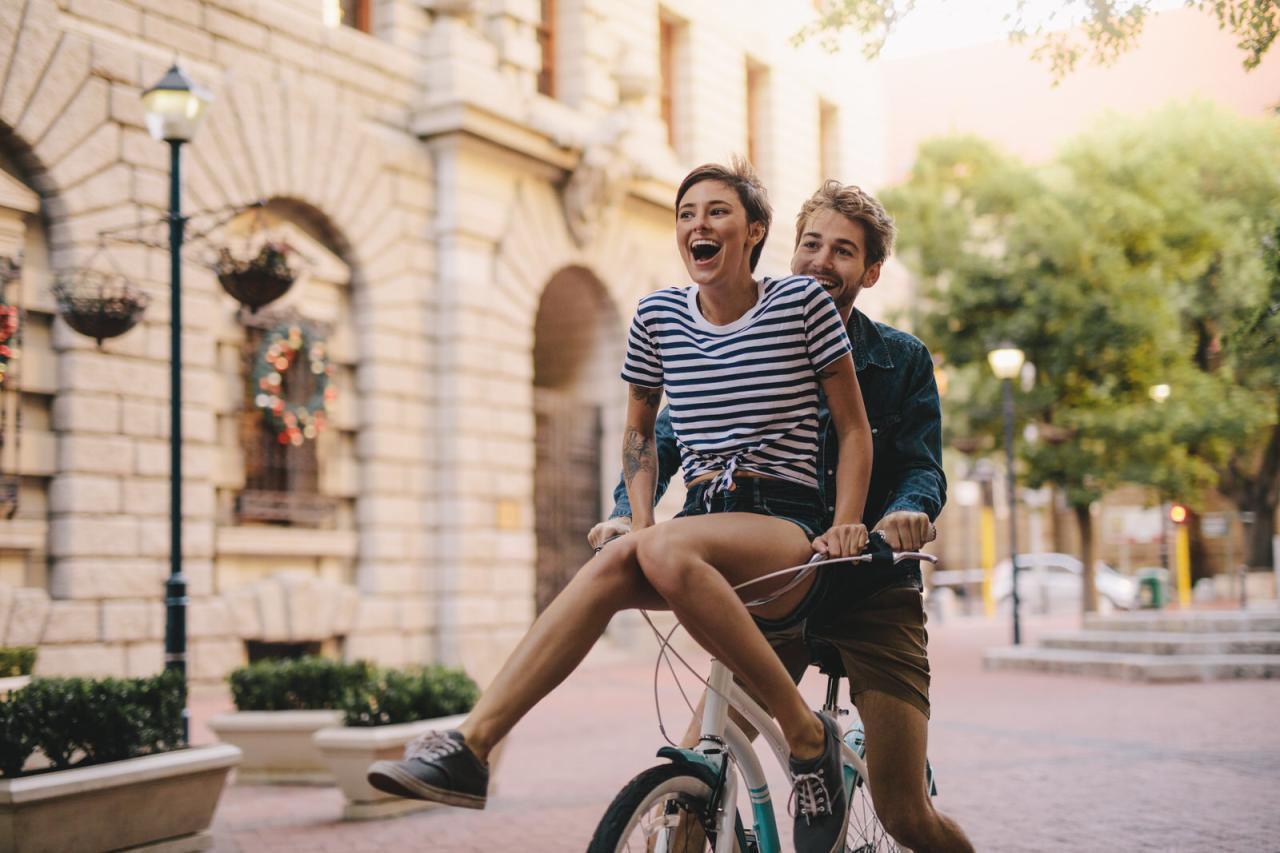
Capturing beautiful travel photographs requires a blend of artistic vision and technical knowledge. Utilizing effective techniques can dramatically enhance the quality of your images, allowing them to convey the essence of your travel experiences. This section will explore essential composition methods, the optimal use of natural light, and tips for capturing authentic moments.
Composition Techniques
Composition plays a crucial role in the aesthetic quality of photographs. Several foundational principles can guide photographers in arranging elements within their frame.
- Rule of Thirds: This classic compositional guideline suggests dividing the image into a grid of nine equal parts by two vertical and two horizontal lines. Positioning key elements along these lines or at their intersections creates more dynamic and balanced images. For instance, when photographing landscapes, placing the horizon along the top or bottom third can enhance depth.
- Leading Lines: Utilizing natural lines within a scene can effectively draw the viewer’s eye toward the main subject. Roads, rivers, or pathways can create a sense of depth and perspective. For example, a winding road leading towards a mountain can guide the viewer’s gaze through the image, adding intrigue.
- Framing: Incorporating natural frames, such as overhanging branches or doorways, can focus attention on the subject. This technique creates layers within the image, adding depth and context to the photograph.
Utilizing Natural Light
Natural light is a powerful tool in photography, influencing the mood and clarity of images. Understanding how to manipulate available light can significantly enhance your photographs.
- Golden Hour: The golden hour, occurring shortly after sunrise and before sunset, offers soft, warm light that is ideal for capturing stunning photos. During this time, shadows are softer, and colors are more vibrant, making it perfect for outdoor scenes. For example, photographing a beach at sunset can yield breathtaking reflections and colors in the sky.
- Backlighting: This technique involves positioning the light source behind the subject, creating silhouettes and dramatic contrasts. When capturing portraits against a sunset, for instance, the subject can appear illuminated, adding a mystical quality to the image.
- Diffused Light: Overcast conditions can provide even, diffused lighting that minimizes harsh shadows, making it suitable for portrait photography. Shooting in shaded areas or during cloudy days can yield crisp, clear images without the distractions of extreme brightness.
Candid versus Posed Shots
Both candid and posed shots serve specific purposes in travel photography, each offering unique storytelling elements.
- Candid Shots: These images capture spontaneous moments, often revealing authentic emotions and interactions. For example, photographing locals engaged in their daily routines can convey the cultural essence of a destination. The unpredictability of candid shots often results in genuine expressions that resonate with viewers.
- Posed Shots: While posed photographs can appear staged, they are essential for capturing specific moments or individuals in a controlled environment. It is crucial to direct the subject subtly to maintain an authentic feel. For instance, directing a group of friends at a landmark while allowing natural interactions can result in engaging images that reflect both the setting and the dynamics between the subjects.
Understanding Different Environments
Travel photography offers a unique opportunity to capture the essence of diverse environments, whether they are breathtaking landscapes or vibrant urban scenes. Successfully navigating these varied settings requires not only technical skill but also an understanding of the nuances of each environment. This section discusses effective strategies for photographing different surroundings, adapting to changing weather conditions, and capturing local culture and people with respect.
Strategies for Photographing Landscapes and Urban Scenes
Capturing the beauty of landscapes and urban scenes requires a keen eye for composition and an understanding of the environment’s characteristics. Effective landscape photography often involves considering the elements of foreground, middle ground, and background to create depth and interest within the frame. Utilizing leading lines, such as roads or rivers, can guide the viewer’s eye and enhance the storytelling aspect of the photograph.For urban scenes, the juxtaposition of old and new architectural styles can offer compelling visuals.
It is essential to explore various angles and perspectives to find unique compositions. Utilizing reflections in water or glass can add a layer of intrigue and depth to urban photography. Additionally, the time of day plays a critical role in how landscapes and urban scenes are perceived. The golden hour, shortly after sunrise or before sunset, provides soft, warm lighting that enhances the aesthetic appeal of photographs.
In contrast, shooting during midday can produce harsh shadows, which may detract from the overall quality of the image.
Adapting Photography Techniques for Different Weather Conditions
Weather can significantly impact photography, and understanding how to adapt techniques accordingly is vital for capturing quality images. Different weather conditions can create distinct moods and atmospheres, offering unique opportunities for stunning visuals. In sunny conditions, it is essential to consider the harshness of the light. Utilizing tools such as polarizing filters can help reduce glare and enhance colors, especially in landscape photography.
Conversely, overcast skies can provide diffused light, ideal for capturing softer, more even tones. Rainy conditions offer a different aesthetic, allowing for the capture of reflections in puddles and the glistening of wet surfaces. To protect equipment, using weather-resistant gear or protective covers is advisable. Snowy environments can transform landscapes, providing a serene and pristine backdrop. In such settings, adjusting the exposure compensation is crucial to avoid the image appearing too dark due to the brightness of the snow.
Capturing Local Culture and People Respectfully
Photographing local culture and people is an integral part of travel photography that requires sensitivity and respect. Engaging with subjects and seeking permission before taking their portraits fosters trust and ensures a respectful representation of their culture. It is essential to immerse oneself in the local environment, understanding cultural norms and values before capturing images. Observing and waiting for authentic moments to unfold can yield powerful photographs that reflect the true essence of the culture.
When photographing in bustling markets or festivals, capturing candid moments can tell a more compelling story than posed shots. Utilizing a longer lens allows for distance and candid photography without intruding on personal space. Additionally, being aware of one’s surroundings and understanding the impact of photography on individuals can lead to more meaningful interactions. A thoughtful approach to representation not only enriches the photographic experience but also contributes to a more respectful portrayal of diverse cultures.
Editing and Post-Processing Tips
Editing and post-processing are essential steps in travel photography that can significantly enhance the quality of your images. With the right techniques, you can transform ordinary photographs into stunning visuals that capture the essence of your travels. This section provides a step-by-step guide on basic photo editing techniques, emphasizing the importance of color correction and image enhancement, as well as tips on creating a cohesive photo editing style for your travel albums.
Step-by-Step Guide on Basic Photo Editing Techniques
Utilizing popular software for editing can elevate your travel photographs. Below is a systematic approach to basic photo editing:
1. Import Your Photos
Begin by importing your images into editing software like Adobe Lightroom or Photoshop. Organizing your photos into folders can ease the editing process.
2. Crop and Straighten
Use cropping tools to eliminate distracting elements and enhance composition. Straightening the horizon line can make your landscape shots more appealing.
3. Adjust Exposure
Fine-tuning exposure can brighten or darken your image. Aim for a balanced exposure that brings out details in shadows and highlights without losing information.
4. Color Correction
Adjust white balance to ensure colors appear natural. This can involve correcting any color cast due to lighting conditions encountered during your travels.
5. Enhance Contrast
Increasing contrast can add depth and dimension to your photos. Be cautious, as excessive contrast may lead to loss of detail in highlights and shadows.
6. Sharpen Details
Apply sharpening to enhance textures and fine details within your image. This step should be subtle to avoid introducing noise.
7. Export
After editing, export your images in the desired format and resolution suitable for sharing or printing.
Importance of Color Correction and Image Enhancement
Color correction plays a crucial role in making your travel photos visually appealing. Properly adjusted colors can convey the mood of a scene, making your images more compelling. Below are key aspects to consider in color correction and image enhancement:
Natural Representation
Accurate colors reflect the true ambiance of the location, ensuring authenticity in your travel documentation.
Mood Creation
Color grading can evoke emotions; for instance, warm tones may enhance sunsets, while cooler tones can impart serenity in landscapes.
Visual Cohesion
Consistent color correction across a series of images creates a cohesive look for travel albums, making them more enjoyable for viewers.
Creating a Cohesive Photo Editing Style for Travel Albums
Establishing a cohesive editing style across your travel photos can significantly enhance the overall aesthetic of your albums. Here are tips to achieve this:
Choose a Color Palette
Select a color palette that resonates with your travel theme. This could be inspired by the landscapes, cultures, or experiences captured in your photos.
Use Presets
Create or download presets that reflect your chosen style. Presets can streamline your editing process while maintaining consistency.
Maintain Consistency in Adjustments
Apply similar levels of contrast, saturation, and brightness across all images in an album to unify the visual narrative.
Implement a Signature Look
Develop a unique editing technique that showcases your personality as a photographer, whether through specific filters or editing styles.
Review and Revise
Once edited, review the entire album for coherence. Make adjustments where necessary to ensure that all images complement each other harmoniously.
“Editing is not just about making images look better; it’s about telling a story through visuals.”
Storytelling Through Photography
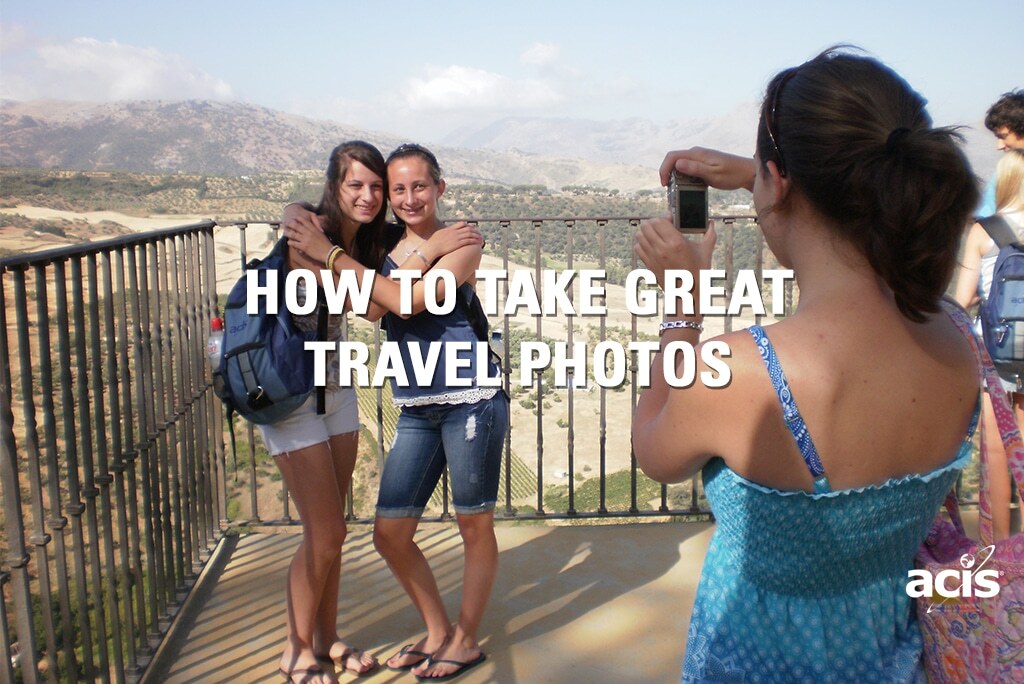
Travel photography is not merely about capturing picturesque landscapes or iconic landmarks; it is an opportunity to weave a narrative that engages and connects with the viewer. The essence of storytelling lies in how various images can be sequenced and presented to create a compelling visual tale that resonates emotionally with the audience. Through thoughtful composition and thematic consistency, photographers can transform individual snapshots into an evocative representation of their journeys.Creating a narrative using a series of travel photos requires careful consideration of the story you wish to convey.
Each photograph should serve a purpose, highlighting specific moments or emotions that collectively form a cohesive narrative. Consider the flow of your images: the order in which they are displayed can significantly enhance the storytelling process.
Thematic Approaches to Travel Photography
Utilizing thematic approaches allows photographers to explore specific narratives related to their travel experiences. These themes can serve as a guiding principle for selecting and presenting images. Below are examples of thematic approaches that can be applied in travel photography:
- Cultural Immersion: Showcase the traditions, customs, and daily life of the local population. This might include portraits of artisans, market scenes, or local festivals that breathe life into the culture.
- Natural Wonders: Focus on the breathtaking landscapes, wildlife, and ecosystems encountered during your travels. This theme can include stunning vistas, close-ups of flora and fauna, or dramatic weather conditions.
- Food Journeys: Document the culinary experiences encountered along the way, featuring local dishes and dining experiences. This could involve capturing street food vendors, vibrant markets, or elegantly plated meals in restaurants.
- Adventure and Exploration: Illustrate the thrill of exploring new terrains, be it hiking, biking, or engaging in extreme sports. Action shots and candid moments can emphasize the excitement of the journey.
- Urban Stories: Focus on the architecture, street scenes, and hidden corners of cities. Capture the contrast between old and new, and the vibrancy of urban life, including street art and public transportation.
In addition to the selection and arrangement of images, captions and descriptions play a crucial role in enhancing photo stories. Well-crafted captions add context and depth, inviting viewers to engage with the narrative on a personal level. They can provide insights into the moments captured, explain the significance of the scene, or even share anecdotes related to the experience.
“A photograph is not just a picture; it is a story waiting to be told.”
By combining carefully curated imagery with thoughtful narratives, photographers can transform their travel experiences into compelling stories that resonate with their audience, evoking emotions and inspiring wanderlust.
Sharing and Showcasing Travel Photography
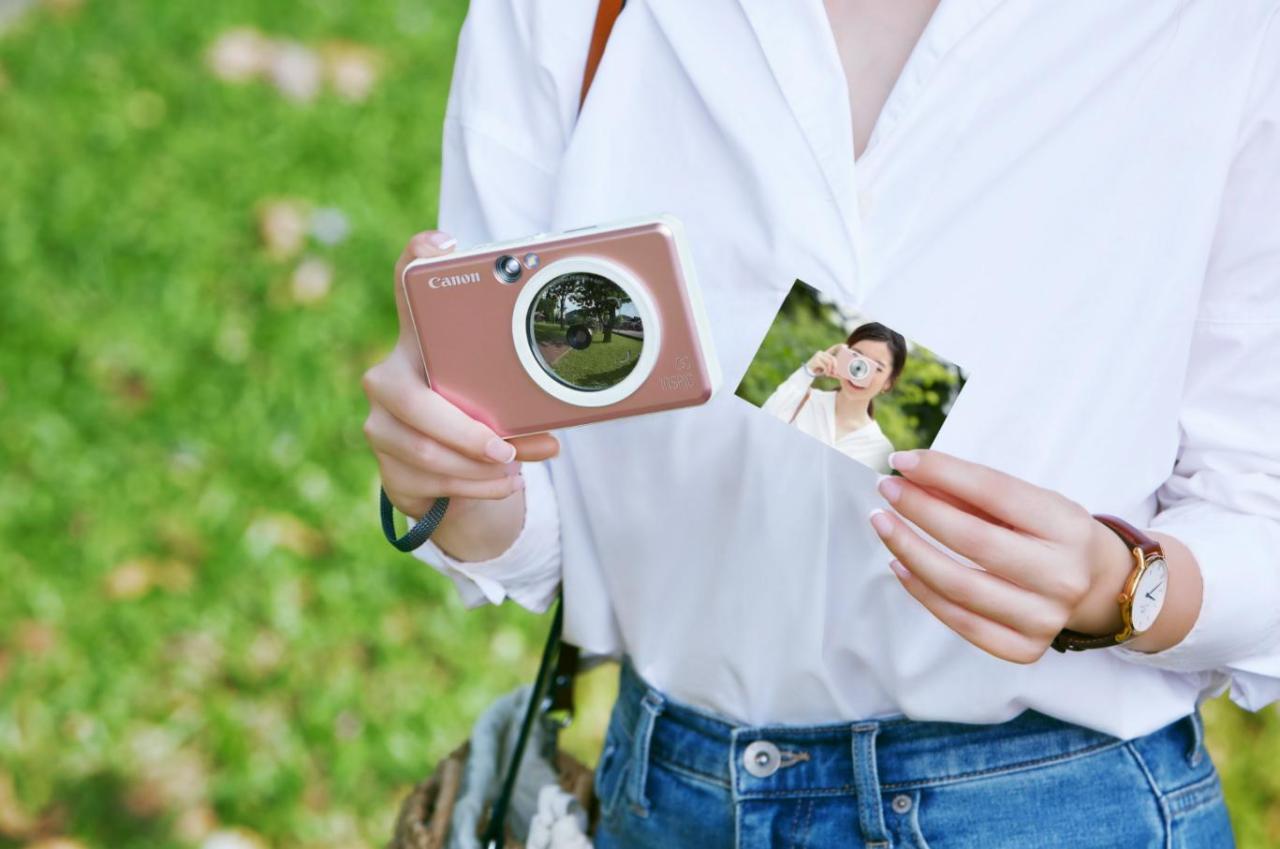
Travel photography is not solely about capturing stunning images; it is also about sharing those moments with the world in a way that resonates with others. To effectively showcase your travel photography, employing various methods for organizing and presenting your images online is essential. This can elevate the impact of your work and engage your audience, allowing them to experience your journey through your eyes.
Organizing and Presenting Travel Photos Online
Establishing a coherent structure for your travel photos enhances the viewing experience. A well-organized collection allows viewers to navigate your work easily and enjoy the stories behind each image. Consider the following methods for organizing your travel photography online:
- Themed Albums: Create themed photo albums based on geography, events, or specific trips. For instance, a dedicated album for a trip to Japan can group images by city or experience, such as traditional temples, bustling markets, or serene landscapes.
- Chronological Order: Present your photos chronologically to guide viewers through your travel journey from start to finish. This approach helps narrate your adventures and gives context to each image.
- Interactive Maps: Utilize interactive maps that allow viewers to click on locations and view photos from specific spots. This method creates a visually engaging experience, enabling users to explore your travels geographically.
- Online Portfolios: Build a professional online portfolio to showcase your best work. Include curated selections that represent your style and skills, making it a powerful tool for attracting clients and followers.
Writing Compelling Captions and Stories for Social Media
Captions and stories serve as the narrative thread that connects the viewer to your photographs. A well-crafted caption not only describes the image but also enhances its emotional impact. Here are essential guidelines for writing compelling captions:
- Be Descriptive: Use vivid and descriptive language that paints a picture of the scene. Instead of merely stating the location, convey the atmosphere and emotions experienced during the moment captured.
- Share Personal Insights: Offer personal reflections or anecdotes related to the photo. Sharing what the experience meant to you can create a deeper connection with your audience.
- Engage with Questions: Encourage interaction by including open-ended questions that invite your audience to share their thoughts or experiences related to the photo.
- Keep it Concise: While depth is valuable, brevity can be equally effective. Aim for concise yet impactful captions that maintain the viewer’s attention without overwhelming them.
Creating a Travel Photography Portfolio
A well-constructed travel photography portfolio can be a game-changer for photographers aiming to establish their professional presence. The benefits of a comprehensive portfolio are numerous, making it a worthwhile investment of time and effort.
- Showcase Your Best Work: A portfolio allows you to select and display only your finest images, highlighting your unique style and creative vision.
- Attract Potential Clients: A professional portfolio serves as a tool to attract potential clients, whether for travel assignments, exhibitions, or collaborations. It acts as a visual resume that speaks to your capabilities and artistic flair.
- Demonstrate Versatility: By including a variety of images, you can showcase your versatility in capturing different subjects, styles, and environments, appealing to a broader audience and potential clients.
- Enhance Your Brand: A cohesive portfolio reinforces your personal brand as a photographer. The presentation, theme, and quality of images contribute to how viewers perceive your work.
Last Point
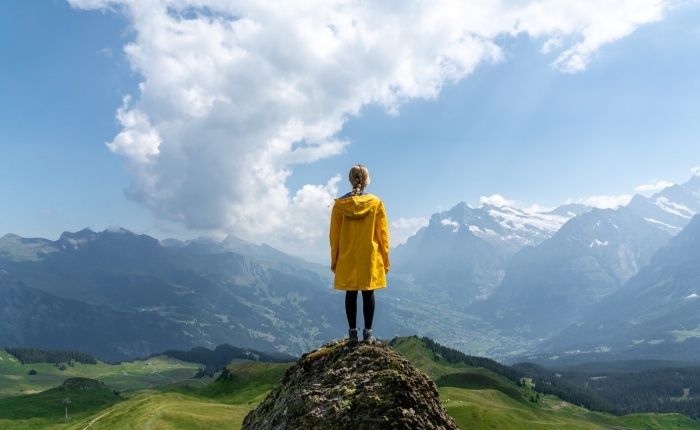
In conclusion, the journey of photography while traveling is not merely about capturing images but telling meaningful stories that reflect experiences and emotions. By applying the techniques and insights discussed, you will not only improve your photography skills but also create lasting memories that can be shared and cherished. Embrace the adventure, and let your travel photos speak the narratives of your explorations.