How to Stay Motivated on Your Photography Journey is a crucial aspect for both budding and experienced photographers alike. In a world filled with stunning visuals, maintaining motivation can sometimes be a challenge. Understanding what drives us to capture moments is the first step towards a fulfilling photography experience.
This guide delves into the intricacies of motivation in photography, offering insights on setting achievable goals, building a supportive community, and embracing challenges. Each section is designed to inspire and encourage photographers to navigate their creative paths with renewed enthusiasm.
Understanding Motivation in Photography
Motivation in photography is the driving force that inspires individuals to capture moments, express creativity, and pursue their passion for visual storytelling. It encompasses the reasons behind why photographers engage in their craft and the energy that fuels their artistic endeavors. In the context of photography, motivation is crucial, as it impacts both the quality of work produced and the overall experience of the photographer.
A motivated photographer is likely to invest more time in learning, experimenting, and refining their skills, which ultimately leads to growth and fulfillment.Photographers often face various challenges that can impede their motivation. These challenges may include creative blocks, criticism from peers or audiences, and technical difficulties with equipment. Additionally, the pressure to produce consistently high-quality work can lead to feelings of self-doubt and burnout.
Understanding these challenges is essential for photographers to navigate their journey effectively and sustain their passion for the art form.
Psychological Factors Influencing Motivation
Several psychological factors play a significant role in shaping motivation within creative pursuits, including photography. Recognizing these factors can help photographers cultivate a more resilient and sustained motivation. The following aspects are particularly influential:
- Intrinsic Motivation: This type of motivation arises from within the individual, driven by personal satisfaction and a love for the craft. Photographers who find joy in the process of taking photographs are more likely to maintain their enthusiasm.
- Extrinsic Motivation: External factors such as awards, recognition, and financial rewards can also motivate photographers. While these factors can provide temporary boosts, relying solely on them may lead to fluctuating motivation levels.
- Goal Setting: Establishing clear, achievable goals can enhance motivation by providing direction and a sense of purpose. Photographers who set specific milestones, such as completing a project or participating in a competition, are often more driven to succeed.
- Social Influences: The presence of a supportive community can reinforce motivation. Photographers who engage with peers, share their work, and receive constructive feedback are likely to feel more encouraged and inspired.
- Mindset: A growth mindset fosters resilience and a continuous desire to learn. Photographers who view challenges as opportunities for growth tend to remain motivated even when faced with setbacks.
Understanding these psychological factors allows photographers to cultivate an environment conducive to creativity and sustained motivation. By addressing the intrinsic and extrinsic elements of their practice, photographers can navigate their journeys more effectively, ensuring that they continue to find fulfillment in their work.
Setting Goals for Your Photography Journey
Establishing clear goals is vital for maintaining motivation and achieving success in your photography journey. Effective goal setting provides direction and creates a roadmap that guides your progress, helping you focus on what matters most. By defining both short-term and long-term objectives, you can enhance your skills, build confidence, and ultimately cultivate your unique photographic style.
SMART Goals Framework for Photography
To set effective goals, utilizing the SMART criteria can significantly enhance your focus and commitment. SMART stands for Specific, Measurable, Achievable, Relevant, and Time-bound. Each aspect ensures that your goals are clearly defined and structured, thus increasing your chances of success.
- Specific: Goals should be clear and precise. For example, instead of saying “I want to improve my photography,” specify “I want to master portrait photography techniques.”
- Measurable: Establish how you will measure your progress. An example could be, “I will take and edit at least five portrait photos each week.”
- Achievable: Set realistic goals that are within your reach. A goal might be, “I will enroll in an online portrait photography course to learn techniques.”
- Relevant: Ensure that your goals align with your interests and overall aspirations. For instance, if you aspire to be a wedding photographer, focus on goals related to mastering wedding photography.
- Time-bound: Assign a deadline to your goals. An example could be, “I will complete my portrait photography course within three months.”
Examples of Short-term and Long-term Photography Goals
Identifying both short-term and long-term goals can help maintain motivation throughout your photography journey. Short-term goals are generally more immediate and provide quick wins, while long-term goals contribute to overall growth and direction.
- Short-term Goals:
- Participate in a local photography contest within the next month.
- Experiment with a new editing software by the end of this week.
- Attend a photography workshop scheduled for next weekend.
- Long-term Goals:
- Build a professional portfolio to showcase my work within the next year.
- Establish a personal photography blog to share insights and experiences within the next six months.
- Launch a solo exhibition of my work in three years.
Importance of Tracking Progress
Tracking progress is essential in ensuring that you remain committed to your photography goals. Regular evaluation allows you to recognize achievements and identify areas for improvement. By documenting your journey, you can stay motivated and make necessary adjustments to your strategy.
“What gets measured gets managed.”
Peter Drucker
Maintaining a journal or using digital tools can assist in this process. For instance, consider creating a photography log to record each photo shoot, the techniques applied, and the outcomes. Additionally, sharing progress with peers or mentors can provide valuable feedback and encouragement, further enhancing your motivation.
Building a Supportive Community
Establishing a supportive community is vital for maintaining motivation on your photography journey. Engaging with fellow photographers can provide not only inspiration but also constructive feedback, networking opportunities, and a sense of belonging. This social aspect of photography can significantly enhance your creative process and keep you motivated through shared experiences and collective learning.Connecting with like-minded photographers can be achieved through various channels.
Many photographers find value in joining photography clubs, online forums, and social media groups dedicated to their craft. These platforms facilitate interaction, discussions, and collaborations, which can lead to a rich exchange of ideas and techniques.
Methods to Find and Connect with Photographers
Discovering and building a network of fellow photographers involves several effective methods. These approaches can enhance your exposure to diverse styles and perspectives while fostering motivation.
Online Photography Groups
Platforms like Facebook, Reddit, and Flickr host numerous photography groups where members share their work, critique each other, and offer tips. Joining such groups can expose you to a wider community of photographers who share your interests.
Local Photography Clubs
Many cities have clubs that regularly meet to discuss techniques, share work, and organize outings. Participating in these clubs can provide face-to-face interactions and opportunities for collaboration.
Workshops and Meetups
Attending photography workshops or meetups is an excellent way to connect with other photographers. These events often include hands-on learning experiences and group projects, creating a collaborative environment.
Social Media Platforms
Utilizing Instagram and other social media platforms to follow and interact with photographers can foster a sense of community. Engaging with their content and participating in challenges can also enhance your visibility within the community.
“Collaboration generates motivation; when creative minds come together, the potential for innovative ideas multiplies.”
The Impact of Collaboration on Motivation
Collaboration with fellow photographers can significantly elevate your motivation and creative output. Working alongside others can inspire new techniques and concepts, pushing you beyond your comfort zone. Here are several ways collaboration can enhance your photography journey:
Learning from Peers
Collaborating allows you to learn different techniques and approaches. Feedback from peers can introduce you to new perspectives on composition, lighting, and editing.
Accountability
When you work with others, you create a sense of accountability that can drive you to meet goals and complete projects. Knowing that someone else is depending on you can be a powerful motivator.
Shared Resources
Collaborating with fellow photographers can provide access to shared resources, such as equipment or locations. This can alleviate the burden of costs associated with photography.
Creative Projects
Joint photography projects, such as themed photo challenges or exhibitions, can invigorate your creative spirit. These endeavors often result in unique outcomes that may not have been possible when working alone.
“A supportive community not only nurtures your passion but amplifies your creative voice in the world of photography.”
Developing a Routine

Establishing a consistent photography routine is essential for fostering motivation and enhancing skills. A well-structured routine not only helps in skill improvement but also nurtures a deeper connection with photography by integrating it into daily life. This routine can serve as a catalyst for creativity and exploration, ultimately maintaining your enthusiasm for the craft.
Scheduling dedicated time for practice and exploration is fundamental in maintaining enthusiasm for photography. By creating a habit around your photography activities, you ensure that you are consistently engaging with your passion. Here are key strategies for developing an effective photography routine:
Tips for Creating a Consistent Photography Routine
Integrating photography into your daily life requires thoughtful planning and intentionality. The following tips can help you create a routine that inspires creativity and sustains motivation:
- Set Dedicated Photography Time: Allocate specific times during the week that are solely dedicated to photography. This could include time for practicing techniques, exploring new locations, or simply experimenting with different styles.
- Establish a Weekly Theme: Each week, select a theme or subject to focus on in your photography. This not only helps in exploring various aspects of photography but also keeps your creativity flowing as you look for unique interpretations of the theme.
- Incorporate Photography into Daily Activities: Look for opportunities to take photographs during your daily routine. Whether it’s capturing moments during your commute or documenting meals, integrating photography into everyday life can provide endless inspiration.
- Join a Photography Challenge: Participate in photography challenges or prompts available online. These can encourage you to step out of your comfort zone and try new techniques and concepts, while also holding you accountable to your photography goals.
- Review and Reflect: Set aside time to review your photographs regularly. Assessing your work not only helps in identifying areas for improvement but can also reignite your passion as you see your progress over time.
By implementing these strategies, you can create a photography routine that is not only manageable but also invigorating, ultimately helping you stay motivated throughout your photography journey. Remember, the key is consistency and a genuine passion for the art.
Embracing Challenges and Failures
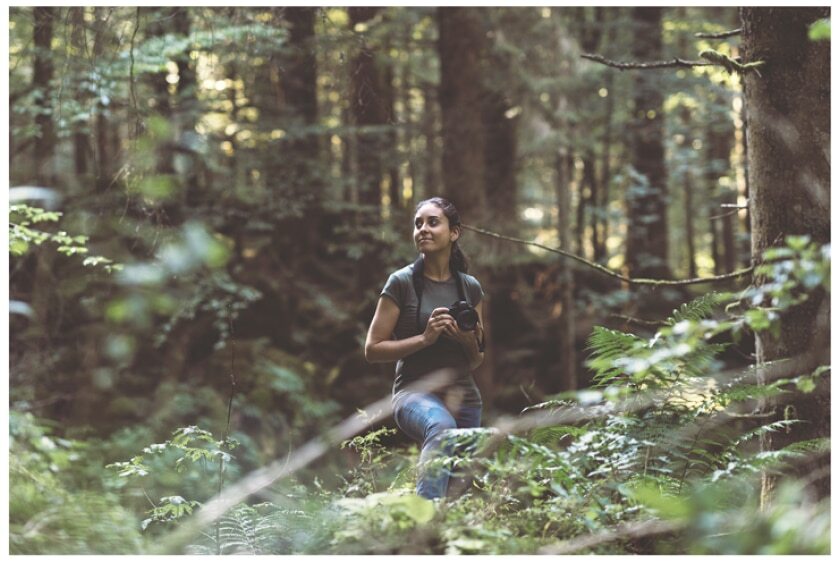
The journey of photography is filled with moments of inspiration, creativity, and, inevitably, challenges and failures. Embracing these setbacks is crucial, as they provide valuable learning experiences that shape one’s skills and artistic vision. Rather than viewing failures as obstacles, recognizing them as opportunities for growth can significantly enhance motivation and creativity in photography.Accepting and learning from failures is essential in photography.
Every photographer, regardless of skill level, encounters difficulties—be it technical issues, unsatisfactory compositions, or simply missing the perfect shot. These challenges can be frustrating, but they also offer insights into areas for improvement. Analyzing what went wrong and adjusting one’s approach fosters resilience and a deeper understanding of the craft. This mindset encourages a healthy relationship with failure, transforming it into a powerful tool for personal and artistic development.
Transforming Challenges into Growth Opportunities
Facing challenges head-on can be a catalyst for growth in photography. Here are several strategies to turn these hurdles into motivating experiences:
- Reflection and Analysis: After a challenging shoot, take the time to reflect on what did not work. Analyzing mistakes allows photographers to develop strategies for future projects, ensuring continuous improvement.
- Experimentation: Embrace the idea of experimentation. Trying new techniques or styles in response to challenges can lead to unexpected discoveries and rekindle passion for photography.
- Setting Milestones: Break larger projects into smaller, manageable goals. Achieving these milestones provides motivation and a sense of accomplishment, helping to maintain focus and enthusiasm.
- Seeking Feedback: Sharing work with peers or mentors can provide fresh perspectives and constructive criticism. Feedback can highlight areas for improvement and inspire new ideas.
- Resilience Building: Developing a resilient mindset can help photographers navigate setbacks with grace. Acknowledging that challenges are part of the journey allows for a healthier, more positive approach to growth.
Strategies to Overcome Creative Blocks
Creative blocks can be a significant hurdle for photographers. Implementing specific strategies can help reignite inspiration and foster creativity. Here are some effective methods:
- Change Your Environment: A new perspective can spark creativity. Explore different locations or settings to find fresh inspiration.
- Limitations as a Catalyst: Setting constraints, such as limiting yourself to a specific subject or technique, can encourage creative solutions and innovative thinking.
- Engage with Other Art Forms: Drawing inspiration from other artistic disciplines, such as painting, music, or literature, can provide new insights and stimulate creativity.
- Regular Breaks: Taking breaks allows the mind to reset. Engaging in other activities can refresh one’s perspective and help return to photography with renewed energy.
- Visual Journaling: Keeping a visual journal can document creative thoughts and ideas. This practice can serve as a resource to revisit when facing creative blocks.
“Challenges are what make life interesting; overcoming them is what makes life meaningful.”Joshua J. Marine
Seeking Inspiration
In the world of photography, inspiration serves as the driving force behind creativity and innovation. Photographers continuously seek fresh ideas and perspectives to elevate their work and push the boundaries of their artistic expression. Finding inspiration can come from various sources, including literature, online platforms, nature, and the arts. Engaging with these resources not only enhances creativity but also helps in staying motivated throughout the photography journey.To effectively tap into inspiration, photographers can explore a wide array of resources that have proven beneficial for many in the field.
These tools can stimulate new ideas and provide a broader understanding of photographic techniques and styles.
Resources for Finding Inspiration
A plethora of resources exists for photographers seeking inspiration. Below is a curated list of some of the most impactful materials:
- Books: Reading photography books can provide deep insights into styles, techniques, and the philosophies of renowned photographers. Notable titles include:
- “Understanding Exposure” by Bryan Peterson
- “The Photographer’s Eye” by Michael Freeman
- “On Photography” by Susan Sontag
- Websites: Numerous websites offer galleries, discussions, and articles that can inspire creativity. Top sites include:
- 500px – A platform for photographers to showcase their work
- Fstoppers – Provides articles and tutorials on various photography topics
- National Geographic Photography – Showcases stunning images from around the world
- Social Media: Platforms like Instagram and Pinterest allow photographers to follow others’ work and discover new styles and ideas.
- Exhibitions and Galleries: Visiting local galleries or photography exhibitions can provide firsthand experience of different artistic expressions.
Utilizing nature, art, and other mediums can significantly contribute to sparking creativity. Photographers often find that stepping outside and immersing themselves in the natural world can lead to unexpected inspiration. Observing landscapes, wildlife, and changing weather conditions can provide unique photographic opportunities. Similarly, engaging with other art forms, such as painting, sculpture, and music, can influence a photographer’s style and perspective.
Examples of Photographers Who Found Inspiration
Several photographers have successfully harnessed inspiration from various sources to fuel their creative endeavors. For instance, Ansel Adams drew inspiration from the natural landscapes of the American West, capturing their grandeur in black and white photography. His work exemplifies how the beauty of nature can inspire profound artistic expression.Another notable example is Henri Cartier-Bresson, who found inspiration in everyday life and candid moments, coining the term “the decisive moment.” His ability to capture fleeting moments in an artistic way shows how inspiration can be found in the simplest of interactions.Photographers like these exemplify that seeking and utilizing inspiration is an integral part of the photography journey.
By exploring diverse resources and embracing various mediums, photographers can continuously rejuvenate their passion and creativity.
Celebrating Progress

Recognizing and celebrating progress is a crucial aspect of maintaining motivation in your photography journey. As you navigate through various challenges and milestones, taking the time to acknowledge your achievements, no matter how small, can significantly enhance your overall experience and drive. Celebrating progress not only boosts your self-esteem but also reinforces your commitment to growth and improvement in your craft.Celebrating small achievements creates a framework for positive reinforcement, which is essential for maintaining motivation.
When you take a moment to recognize your successes, you create a cycle of encouragement that propels you forward. This practice can manifest in various forms, all contributing to a healthier and more fulfilling photography journey.
Methods for Recognizing and Celebrating Achievements
Documenting your progress is a vital method for recognizing and celebrating milestones. Developing a photographic journal or portfolio serves as a visual representation of your journey and accomplishments. This documentation allows you to reflect on how far you have come and the skills you have acquired over time. Consider the following methods to effectively celebrate your achievements:
- Photographic Journals: Maintain a journal where you record your thoughts, feelings, and reflections on your photographic experiences. Include notes on techniques learned, challenges faced, and breakthroughs achieved.
- Portfolio Development: Regularly update your portfolio with your best work. This not only showcases your skills but also highlights your growth as a photographer.
- Social Media Highlights: Share your accomplishments on platforms like Instagram or Facebook. Celebrate milestones such as completing a project or mastering a new technique, and engage with your community for support and encouragement.
- Personal Milestones: Set specific milestones, such as completing a photography course, participating in an exhibition, or receiving positive feedback from peers. Celebrate these moments with a small reward or a personal reflection.
- Creating Visual Reminders: Use images from your journey as visual reminders of your progress. Creating a collage or a mood board can serve as a daily motivator, showcasing your achievements and inspiring future work.
“Recognizing and celebrating your progress fosters a positive mindset, serving as a powerful motivator in your photography journey.”
The impact of positive reinforcement on motivation cannot be overstated. When you celebrate your achievements, you build confidence and encourage yourself to pursue further challenges. By establishing a regular practice of acknowledging your progress, you create a motivating environment that fuels your passion for photography and inspires continuous growth.
Continuous Learning and Skill Development
Continuous learning and skill development are essential components of a rewarding photography journey. As technology and aesthetic trends evolve, staying updated with the latest techniques and styles is crucial for maintaining motivation and enhancing your artistic capabilities. Engaging in lifelong learning not only improves your skills but also expands your creative horizons, allowing you to express your unique vision through photography.Workshops, online courses, and tutorials play a pivotal role in skill enhancement, providing structured learning experiences and access to expert knowledge.
These educational opportunities allow photographers to delve deeper into specific areas of interest, helping them to master new techniques and refine existing skills. Participating in such learning experiences fosters a mindset of growth and exploration, crucial for sustained motivation in photography.
Strategies for Engaging in Lifelong Learning
To effectively engage in continuous learning within photography, consider the following strategies:
- Attend Workshops: Participating in hands-on workshops can provide practical experience and direct feedback from instructors and peers, enhancing your skills and understanding.
- Enroll in Online Courses: Online platforms offer a wide array of courses led by industry professionals. These courses often cover diverse topics, from basic techniques to advanced post-processing skills.
- Watch Tutorials: Free and paid tutorials available on various platforms can be a valuable resource for learning specific skills or techniques at your own pace.
- Read Photography Books: Books written by renowned photographers can provide insights into different styles and philosophies, offering inspiration and technical knowledge.
- Participate in Photography Challenges: Engaging in themed challenges can push you to explore new styles and subjects, encouraging creativity and experimentation.
Challenging oneself with new techniques or styles is vital for keeping the passion for photography alive. Experimenting with unfamiliar genres, such as street photography, portraiture, or macro photography, can provide fresh perspectives and inspire creativity. Additionally, attending critique sessions, whether online or in-person, can offer constructive feedback that helps to identify areas for improvement and pushes you to enhance your skills further.
“Photography is a continuous journey of learning and exploration; every click opens a new door to creativity.”
Closing Notes

In conclusion, staying motivated on your photography journey requires a blend of goal-setting, community support, and a willingness to learn from setbacks. By celebrating progress and seeking inspiration, photographers can continually reignite their passion for capturing the world around them. Remember, every step taken in your journey is a step towards personal growth and artistic fulfillment.