How to Shoot Through Objects for Unique Perspectives invites photographers to explore a captivating technique that transforms ordinary scenes into extraordinary visuals. This method encourages the use of various objects as creative frames, providing new ways to view the world and enhancing the overall narrative of your photographs.
By experimenting with different materials—be it glass, foliage, or man-made structures—you can achieve striking compositions that add depth and uniqueness to your images. This approach not only broadens your artistic repertoire but also allows for the discovery of unexpected beauty in everyday surroundings.
Introduction to Shooting Through Objects
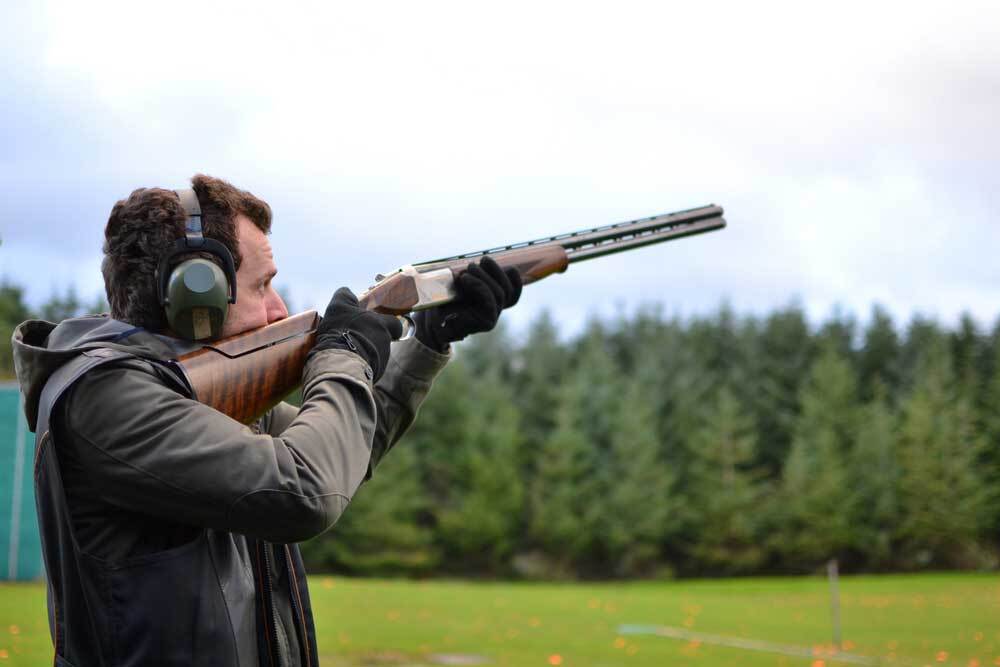
Shooting through objects is a fascinating technique in photography that allows for unique and creative compositions. This approach not only enhances the visual interest of a photograph but also invites viewers to see the world from a different angle. By incorporating various objects into the frame, photographers can create layers, textures, and colors that add depth to their images.The significance of shooting through objects lies in its ability to transform mundane scenes into compelling narratives.
Photographers can utilize a range of materials, including glass, foliage, and fabric, to achieve striking results. Each object interacts with light and perspective in distinct ways, offering unique opportunities for artistic expression.
Types of Objects for Shooting Through
A variety of objects can be employed in this shooting technique, each contributing its own characteristics to the composition. The following list details common objects that photographers may use to shoot through, along with their unique attributes:
- Glass: Transparent and reflective, glass can create interesting distortions and flares that add an ethereal quality to images.
- Leaves and Flowers: Natural elements introduce organic shapes and colors that soften the background and create a whimsical feel.
- Textiles: Fabrics can introduce patterns and colors, allowing for creative overlays and a tactile sense in compositions.
- Water: Shooting through water can yield stunning effects, creating ripples and reflections that enhance visual intrigue.
- Mirrors: Using mirrors can provide layered perspectives and reflections, often leading to surreal results.
The choice of object significantly influences the perspective and mood of the photograph. Each material interacts with light differently, thereby affecting the overall aesthetic. For instance, shooting through a clear glass object might result in sharp focus and clarity, whereas using a textured surface like fabric could introduce softness and a dreamlike quality.
Utilizing everyday objects in photography can unlock new creative avenues, transforming ordinary scenes into extraordinary artwork.
Shooting through various materials not only showcases the photographer’s skills but also invites the audience to explore the interplay of light, shadow, and texture in a multi-dimensional context. By adopting this technique, photographers can elevate their work and provide viewers with a fresh perspective that engages and captivates.
Techniques for Shooting Through Various Objects
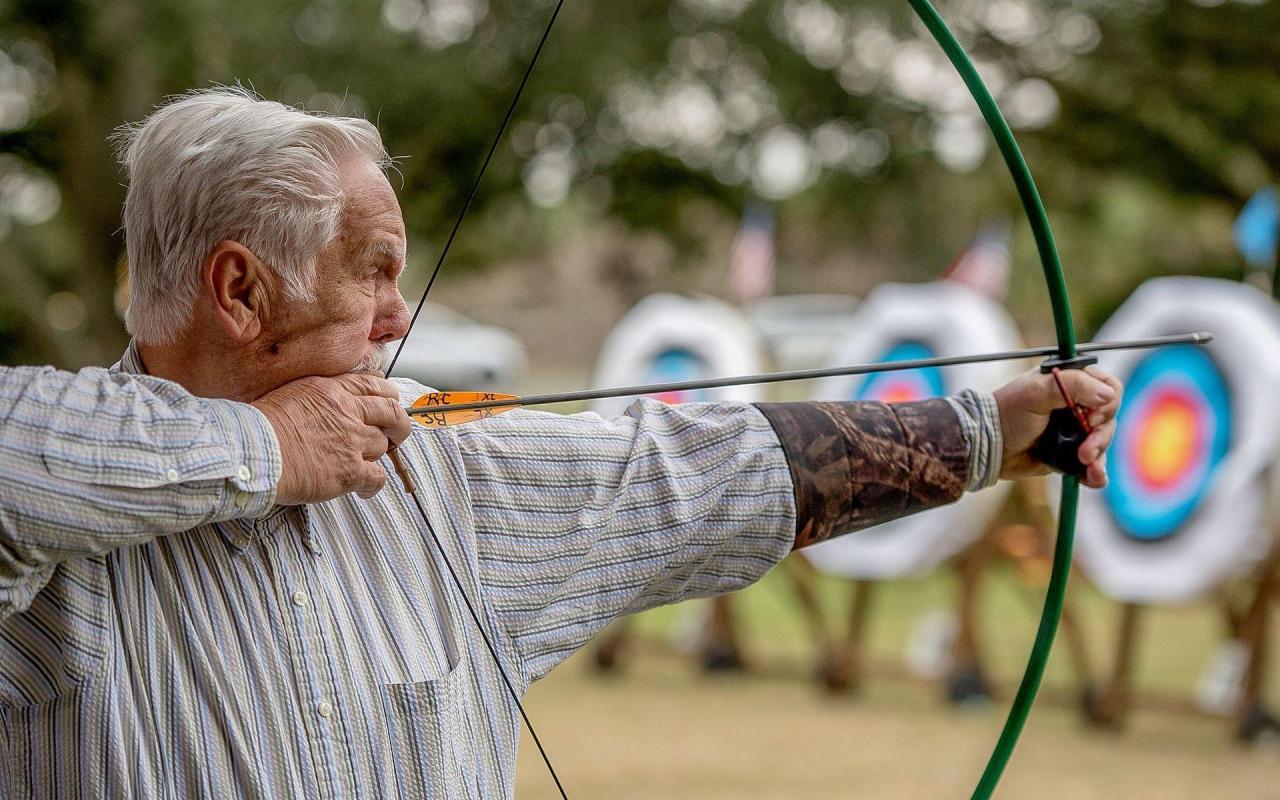
Capturing unique perspectives by shooting through objects can greatly enhance photographic creativity. This section explores effective techniques for achieving captivating images through different mediums, including glass, natural elements, and man-made structures.
Shooting Through Glass
Shooting through glass can create stunning effects, especially when capturing reflections and light play. The method requires careful consideration of angles and lighting to minimize glare and distortion. When photographing through windows or lenses, follow these detailed tips to optimize your results:
- Choose the Right Time of Day: Early morning or late afternoon provides soft light, reducing harsh reflections and improving image quality.
- Utilize Polarizing Filters: A polarizing filter can minimize reflections off glass surfaces, allowing clearer views of your subject.
- Clean the Glass Surface: Ensure that the glass is clean to prevent smudges or dirt from affecting the clarity of your image.
- Employ a Wide Aperture: Shooting at a wider aperture (lower f-stop number) can help blur the glass, focusing more on the subject behind it.
- Experiment with Angles: Adjust your shooting angle to find the best perspective, which can help capture reflections creatively or eliminate them entirely.
Shooting Through Natural Elements
Natural elements like foliage or water can add texture and depth to photographs. Using these elements effectively allows for creative framing and atmospheric effects.Consider the following techniques when shooting through natural elements:
- Utilize Foliage for Framing: Position your camera so that leaves or branches frame your subject, creating a natural border and adding layers to the composition.
- Capture Reflections in Water: Shoot over still water surfaces to create mirror-like reflections, enhancing the symmetry and aesthetic appeal of your images.
- Use Depth of Field: A shallow depth of field can isolate your subject while softly blurring the foliage or water, enhancing the focus on the main aspect of your shot.
- Incorporate Natural Light: Consider the direction of light as it filters through leaves or reflects off water, creating dappled light effects that add dimension to your photographs.
Utilizing Man-Made Structures
Man-made structures, such as fences or walls, can serve as creative elements in photography. They can provide interesting framing devices or lead lines that enhance composition.Implement these techniques when shooting through man-made structures:
- Select the Right Position: Position your camera so that the structure complements your composition without dominating the scene.
- Use Leading Lines: Capture leading lines created by fences or walls to draw the viewer’s eye toward your main subject.
- Experiment with Focus: Play with focus techniques to highlight the texture of the structure while keeping your subject sharp, creating an engaging juxtaposition.
- Explore Different Perspectives: Move around the structure to find various angles that reveal new aspects of your subject or create interesting shadows and patterns.
Equipment and Settings for Optimal Results
Utilizing the right equipment and settings is crucial to successfully shooting through objects and achieving unique perspectives. The interplay between camera settings, lens choice, and additional accessories significantly influences the final image quality and overall effect.
Essential Camera Settings
Selecting appropriate camera settings is vital for optimizing your shots when shooting through objects. The following settings should be considered:
- Aperture: A wide aperture (e.g., f/2.8 to f/4) is recommended to create a shallow depth of field, allowing for selective focus on the subject while softening the distracting background elements. This helps to enhance the look of the object you’re shooting through.
- Shutter Speed: Depending on the level of light and movement in the scene, a fast shutter speed (e.g., 1/250s or faster) may be necessary to freeze any motion and maintain clarity. In lower light conditions, a slower shutter speed may be utilized, but stabilization methods should be applied to avoid blur.
- ISO Settings: Keep the ISO as low as possible (e.g., 100-400) to minimize noise, particularly when shooting through objects that might introduce their own textures or patterns. Increase it only if necessary, especially in dim lighting situations.
Lens Recommendations
Choosing the right lens can dramatically affect your ability to capture striking images through objects. The following types of lenses are particularly effective for this technique:
- Prime Lenses: Prime lenses, such as a 50mm or 85mm, often provide superior image quality and sharpness, making them ideal for shooting through transparent or semi-transparent materials.
- Macro Lenses: Macro lenses allow for extreme close-ups, enabling photographers to explore intricate details of objects, such as textures and patterns found in glass or foliage.
- Wide-Angle Lenses: Wide-angle lenses (e.g., 24mm) can create unique perspectives by allowing you to include more of the scene, effectively utilizing foreground objects to frame the subject beautifully.
Filters and Accessories
Incorporating filters and accessories can significantly enhance the quality of images captured through objects. The following tools are worth considering:
- Polarizing Filter: This filter reduces glare and reflections, particularly when shooting through glass or water, thereby enhancing color saturation and contrast.
- Neutral Density (ND) Filter: An ND filter allows for longer exposures in bright conditions, enabling creative effects like motion blur while shooting through flowing water or tree branches.
- Lens Hood: A lens hood can prevent unwanted lens flares and light leaks, improving overall image contrast when shooting through objects.
- Tripods or Stabilizers: Using a tripod or stabilizer can help maintain stability, particularly in low-light situations, yielding sharper images even when slower shutter speeds are necessary.
Using the right combination of camera settings, lenses, and accessories can elevate your photography when capturing unique perspectives through objects.
Creative Approaches to Composition
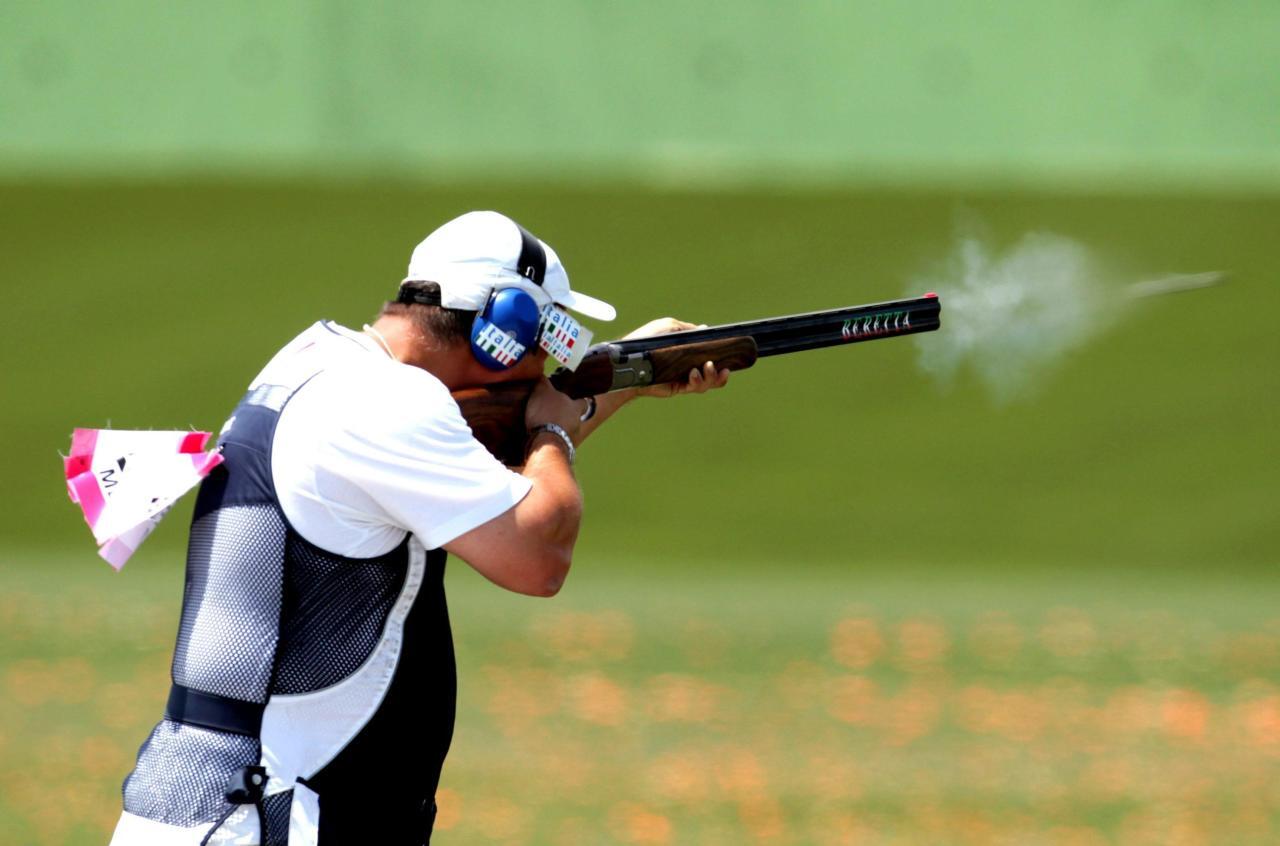
Photography is an art form that thrives on creativity and innovation. When shooting through objects, the challenge lies not only in capturing the subject but also in using the obscured elements to enhance the overall composition. Creative approaches to framing, layering, and utilizing negative space can significantly impact the final image, providing unique perspectives that engage the viewer’s eye and imagination.
Guidelines for Framing Shots
Effective framing is essential when shooting through objects to create compelling images. The following guidelines can help photographers achieve impactful compositions:
- Consider the Foreground: Incorporate objects in the foreground to add intrigue and lead the viewer’s gaze into the shot.
- Positioning: Experiment with different angles and distances from the object to discover the most visually appealing composition.
- Reflections: Utilize reflective surfaces, such as glass or water, to create depth and layers within the shot.
- Symmetry and Balance: Strive for a balanced composition while utilizing the object to frame the subject, ensuring that one does not overpower the other.
Ideas for Layering Elements
Layering is a powerful technique that can add depth and complexity to photographs. By consciously arranging elements within the frame, photographers can create a sense of three-dimensionality.
- Foreground-Background Interaction: Position objects in the foreground to interact with the background subject, creating a visual narrative.
- Stacking Elements: Layer multiple objects in the composition to guide the viewer’s eye through various focal points.
- Use of Shapes: Incorporate objects with distinct shapes and textures to introduce contrasting layers that enhance the overall aesthetic.
Utilization of Negative Space and Focus
Negative space is an integral aspect of effective composition, emphasizing the subject while providing breathing room around it. When shooting through objects, the strategic use of negative space can enhance focus.
- Emphasize the Subject: Utilize negative space to draw attention to the subject, allowing it to stand out amidst the surrounding elements.
- Isolation: Frame the subject using an object that creates negative space, which can evoke feelings of solitude or emphasize the subject’s importance.
- Shallow Depth of Field: Employ a shallow depth of field to blur the foreground object while keeping the main subject in sharp focus, enhancing the viewer’s engagement.
“Creativity is allowing yourself to make mistakes. Art is knowing which ones to keep.” – Scott Adams
Post-Processing Techniques
Post-processing is a vital step in enhancing photographs taken through various objects. The unique perspectives offered by shooting through materials can introduce peculiar distortions and color variations that require expert handling in editing software. This section will explore techniques aimed at refining clarity, detail, and overall image quality in photos captured with this method.
Enhancing Clarity and Detail
In post-processing, enhancing clarity and detail is crucial for achieving a polished final image. Various techniques can be employed to restore sharpness and remove unwanted haze or distortions. Key methods include:
- Sharpening: Utilize sharpening tools in software such as Adobe Lightroom or Photoshop to enhance edge definition. Adjust the amount and radius to avoid introducing noise.
- Dehaze Tool: Many editing programs feature a dehaze tool that effectively reduces atmospheric haze, which is particularly useful after shooting through materials like glass or plastic.
- Local Adjustments: Use adjustment brushes or gradient filters to apply clarity selectively to specific areas of the image without affecting the entire composition.
Adjusting Colors and Contrast
Proper color grading and contrast adjustments significantly influence the mood and impact of an image. Steps to improve these aspects include:
- White Balance Correction: Start by correcting the white balance to ensure accurate color reproduction. Use the eyedropper tool to select a neutral point within the image.
- Curves Adjustment: Employ curves to refine tonal range and contrast. Create an S-curve to enhance the highlights and shadows for a more dynamic image.
- Saturation and Vibrance: Adjust saturation sparingly to prevent over-saturation. Use vibrance to enhance muted colors without affecting skin tones excessively.
Removing Unwanted Distortions
Shooting through objects can introduce unwanted distortions such as reflections, color casts, and blurriness. Techniques for addressing these issues include:
- Clone Stamp and Healing Brush: Use these tools to remove unwanted reflections or blemishes caused by the object through which the image was captured. Clone stamp allows for precise removal, while the healing brush blends the surrounding pixels.
- Lens Correction Filters: Many software options provide lens correction filters that automatically adjust for common distortions associated with specific lenses and shooting angles.
- Selective Color Adjustment: If color casts are present, utilize selective color tools to target specific hues and restore natural tones in the image.
“The beauty of post-processing lies in its ability to transform the ordinary into the extraordinary, enhancing the vision captured through your lens.”
Examples and Case Studies
Exploring the technique of shooting through objects offers photographers unique opportunities to create visually striking images. By utilizing various objects in the foreground, one can add depth, texture, and intrigue to compositions. This section presents a collection of exemplary photographs that demonstrate the effectiveness of this technique, accompanied by narratives that provide insight into the thought processes behind these shots.
Showcase of Photographs
The following exemplary photographs illustrate the diverse applications of shooting through objects. Each image reveals how foreground elements can enhance composition and storytelling.
- Through Glass: A portrait captured through a rain-soaked window showcases the subject’s serene expression while the blurred raindrops add a layer of emotional depth, reflecting the mood of solitude. This technique draws the viewer’s focus to the subject while simultaneously incorporating the environmental elements into the narrative.
- Through Leaves: A landscape photograph taken through the branches of a tree frames a breathtaking sunset. The leaves create a natural vignette, emphasizing the vibrant colors of the sky. This approach not only highlights the beauty of nature but also conveys a sense of tranquility and connection to the environment.
- Through Mesh: An urban street scene captured through a chain-link fence presents a gritty yet artistic portrayal of city life. The texture of the fence adds a layer of complexity to the image, reinforcing the theme of confinement and freedom. This use of foreground allows viewers to experience the juxtaposition of barriers and the vibrancy of the city beyond.
Narratives Behind Notable Shots
Every photograph tells a story, and understanding the thought process behind a specific shot can enhance appreciation for the technique employed. Here are narratives that illustrate the creative decisions made during the shooting process.
- Window Reflections: A photographer, aiming to capture the hustle of a cityscape, chose to shoot through a café window. The combination of reflections and the activity inside created a layered image that tells multiple stories—one of the outside world’s movement and another of the intimate moments within the café. The photographer’s intent was to convey the coexistence of public and private spaces.
- Fogged Glass: In a moody portrait session, the photographer utilized a fogged-up glass panel to create a dreamlike effect. The obscured visage of the subject evokes a sense of mystery and nostalgia, drawing viewers into a contemplative state. The decision to shoot through the fogged glass was intentional, emphasizing the emotional weight of the moment.
Comparative Analysis of Styles
Different photographers bring their unique styles and perspectives to the technique of shooting through objects. Here, we compare the approaches of various artists and the outcomes they achieve.
- Fine Art Photography: Often characterized by meticulous composition and attention to detail, fine art photographers use this technique to create ethereal images that challenge viewers’ perceptions. For instance, an artist may shoot through delicate lace to produce soft, diffused patterns that evoke a sense of fragility and beauty.
- Documentary Photography: In contrast, documentary photographers aim for authenticity and realism. By shooting through everyday objects, such as fences or windows, they capture raw moments that reflect societal issues. Their work often highlights the contrast between subjects and their surroundings, inviting viewers to engage with the narrative on a deeper level.
Challenges and Solutions

When shooting through objects, photographers often encounter a variety of challenges that can affect the quality and impact of their images. Understanding these challenges and implementing effective solutions is crucial for achieving striking and creative results. This section addresses common difficulties, environmental factors that may influence photography, and troubleshooting tips to enhance photo outcomes.
Common Challenges and Proposed Solutions
Shooting through objects introduces several challenges that can hinder the desired outcome. These challenges range from unwanted reflections to distortion effects. To navigate these issues, photographers can adopt specific strategies aimed at mitigating their impact.
- Reflections: When shooting through reflective surfaces, such as glass, reflections can obscure the main subject. To minimize reflections, consider using a polarizing filter. This tool can help reduce glare and enhance color saturation, leading to cleaner images.
- Distortion: Some materials can distort the view of the subject. Using a lens with a wide aperture can aid in focusing on the subject while blurring out the distortive elements in the foreground. Additionally, adjusting the angle of the shot can sometimes help to reduce distortion.
- Depth of Field Management: Achieving the correct depth of field can be challenging when shooting through objects. A wider aperture setting will typically allow better focus on the subject, while providing a softer background. This technique can create a pleasing aesthetic, even with obtrusive foreground elements.
Environmental Factors and Mitigation Strategies
Environmental conditions can significantly impact photography, particularly when shooting through objects. Light, weather, and location can all play a role in the outcome of photographs. Recognizing these factors and adjusting accordingly can enhance image quality.
- Lighting Conditions: Low light can result in grainy images when shooting through objects. To combat this, increase the ISO setting on your camera, or use a tripod to stabilize the shot, allowing for longer exposures without motion blur.
- Weather Conditions: Rain, fog, or mist can add interesting effects but may also obscure the subject. Protective lens covers or filters can keep lenses dry and clear. Additionally, experimenting with backlighting during foggy conditions can yield ethereal results.
- Location Considerations: Urban environments can present unwanted distractions. Utilizing a longer focal length can allow photographers to isolate their subjects while minimizing the visible clutter in the background.
Troubleshooting Tips for Reflections and Distortions
Dealing with reflections and distortions is a common aspect of shooting through objects. Awareness of potential issues and having strategies ready can save photographers considerable time and effort during shoots.
- Positioning: Adjusting your position relative to the object can dramatically influence reflections. Changing the angle or height at which you shoot can help eliminate unwanted reflections from surfaces.
- Lens Hood Usage: Using a lens hood can reduce lens flare caused by reflections, enhancing overall image clarity. This accessory is particularly useful in bright conditions or when shooting towards light sources.
- Post-Processing Adjustments: In cases where reflections cannot be avoided, post-processing software offers tools to correct these issues. Techniques such as selective editing or using cloning tools can effectively remove or reduce distracting reflections.
Community and Resources
The world of photography is enriched by a vibrant community of enthusiasts and professionals who share their knowledge, techniques, and creative insights. Engaging with these communities not only enhances one’s skills but also opens up new avenues for inspiration and collaboration. This section highlights various platforms, workshops, courses, and literature that can aid photographers in mastering the art of shooting through objects.
Online Platforms and Communities
Photographers can benefit greatly from joining online platforms and communities dedicated to photography. These spaces provide opportunities to share work, receive feedback, and learn from peers. Notable platforms include:
- Flickr: A long-standing photography sharing site where users can join groups focused on specific techniques, including shooting through objects.
- 500px: A photography community featuring high-quality images and a space for photographers to showcase their unique perspectives.
- Instagram: While primarily a social media platform, it serves as a significant space for visual artists to share their work and connect with others in the photography community.
- Reddit: Subreddits such as r/photography and r/photocritique provide forums for discussion, feedback, and sharing of techniques related to specialized photography.
- Facebook Groups: Numerous groups exist where photographers can post their work, ask questions, and share techniques around niche areas like shooting through various objects.
Workshops and Courses
Engaging in workshops and courses can significantly enhance one’s skills in specialized photography techniques. Numerous organizations offer educational opportunities tailored to this niche. Some notable options include:
- Local Photography Schools: Many cities have schools that offer specialized courses in photography, including workshops focused on shooting through objects.
- Online Platforms: Websites like MasterClass and Udemy offer courses taught by expert photographers, which often include modules on unique photography techniques.
- Photography Festivals: Events such as the Palm Springs Photo Festival often feature workshops led by industry professionals, covering a wide range of topics including innovative shooting techniques.
Literature and Resources
For those seeking in-depth knowledge about shooting through objects, there are numerous books and articles that provide valuable insights and techniques. These resources can serve as essential guides for photographers looking to deepen their understanding and skills.
- “The Art of Photography: A Personal Approach to Artistic Expression” by Bruce Barnbaum: This book explores various techniques and creative approaches to photography, including using objects to enhance composition.
- “Photography: A Cultural History” by Mary Warner Marien: An insightful resource that discusses the evolution of photography and its artistic applications, including the manipulation of objects.
- Online Articles and Blogs: Websites such as PetaPixel and Fstoppers frequently publish articles addressing specific techniques, including shooting through objects, offering tips and showcasing inspiring examples.
Final Summary
In conclusion, mastering the art of shooting through objects opens a realm of creative possibilities that can significantly elevate your photography. Through understanding techniques, equipment, and post-processing methods, you can overcome challenges and turn them into opportunities for stunning visuals. Embrace this innovative approach, and let your imagination guide you to capture unique perspectives that tell your story in an extraordinary way.