How to Shoot Silhouettes at Sunset is an engaging exploration into the art of capturing breathtaking silhouettes against the vibrant backdrop of a setting sun. This photography technique emphasizes the contrast between the darkened forms of subjects and the brilliant hues of twilight, allowing for stunning visual storytelling. Understanding the key elements and techniques involved in silhouette photography not only enhances your skills but also opens up a world of creative possibilities.
From selecting the right location and equipment to mastering camera settings and post-processing techniques, this guide will equip you with the knowledge to create striking silhouette images. Emphasizing the importance of light and composition, we delve into the nuances that make silhouette photography a compelling form of artistic expression.
Understanding Silhouette Photography
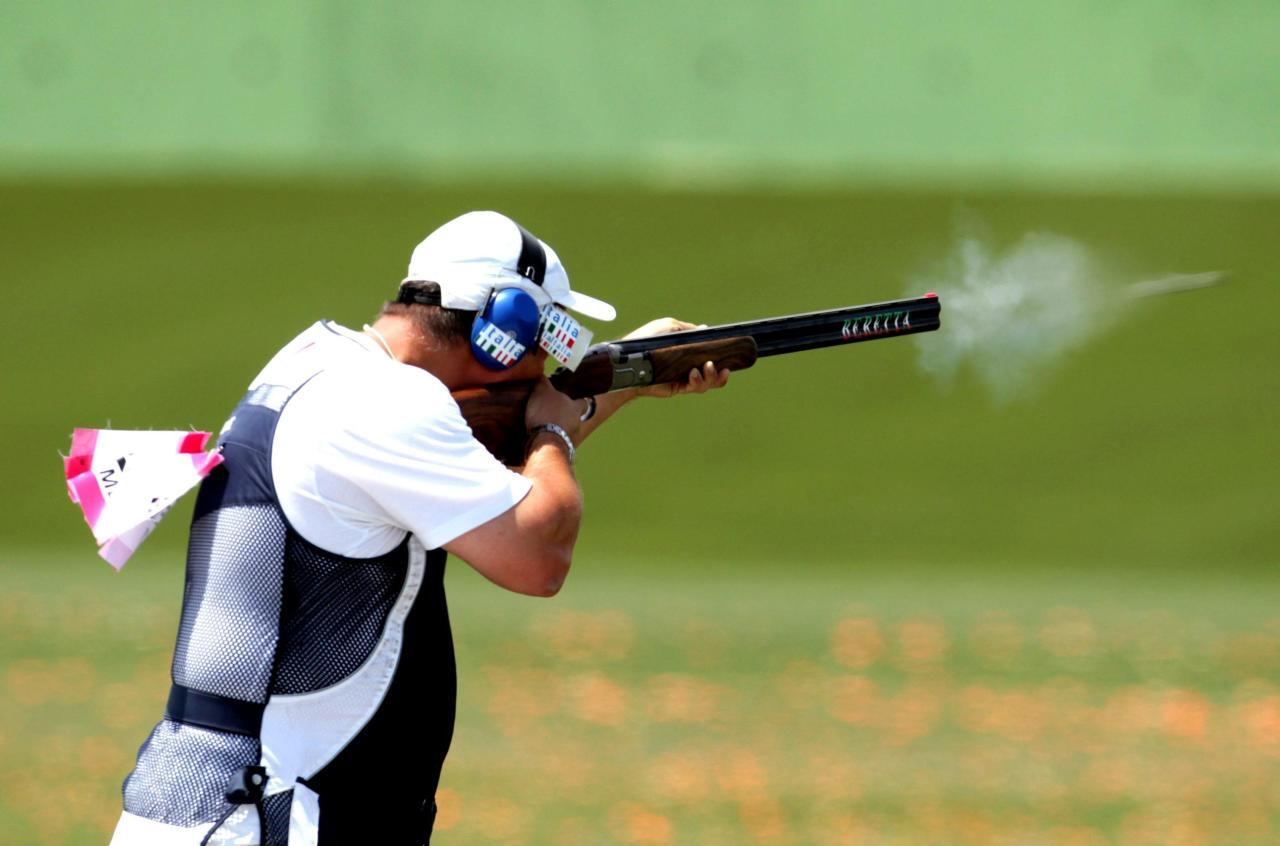
Silhouette photography is a captivating technique that emphasizes the Artikel of a subject against a bright background, creating strikingly artistic images. This style of photography often evokes emotions and tells stories through simplicity, making it a popular choice among photographers seeking to create impressive visual narratives.The essence of silhouette photography lies in the contrast between light and shadow, where the subject is intentionally underexposed to produce a dark shape against a luminous backdrop.
This approach not only highlights the form and contours of the subject but also adds drama to the composition. Understanding the key elements that contribute to effective silhouette shots is essential for photographers aiming to master this art form.
Key Elements of Effective Silhouette Shots
Several crucial components determine the success of silhouette photography, particularly during sunset. Mastering these elements enhances the overall impact of the image.
- Subject Selection: Choosing a distinct and recognizable subject is vital. Common subjects include trees, people, and architectural features, as they provide a clear Artikel against the background.
- Background Lighting: A bright and colorful background, such as a sunset, is fundamental. The vibrancy of the sky creates a stunning contrast that makes the silhouette stand out.
- Composition: The arrangement of the subject within the frame is critical. Rule of thirds can be beneficial, allowing for a dynamic balance between the silhouette and the background.
- Camera Settings: Proper exposure settings are essential for capturing silhouettes. Use a low ISO, a wide aperture, and adjust the shutter speed to ensure the background is well-exposed while the subject remains dark.
The role of light, particularly during sunset, is paramount in silhouette photography. The gradual transition of colors in the sky—from deep oranges to soft purples—creates a dramatic backdrop that enhances the silhouette.
“The interplay of light and shadow transforms ordinary subjects into extraordinary visuals, emphasizing their shapes and forms.”
In silhouette photography, timing is everything. The golden hour—the period shortly before sunset—provides the most favorable lighting conditions. Photographers should be prepared to capture images quickly, as the light changes rapidly during this time. Understanding these elements will significantly improve the quality and artistic value of silhouette photographs, allowing for the creation of memorable and impactful images.
Preparing for Sunset Silhouette Shots
In the realm of photography, capturing perfect silhouettes at sunset requires careful preparation and the right equipment. A well-planned approach can significantly enhance the quality of your images, allowing the beauty of the sunset to create striking contrasts against the subjects in the foreground.The essential equipment for silhouette photography includes a camera capable of manual settings, a tripod for stabilization, and a lens suitable for your subject.
Additionally, accessories like a remote shutter release can help avoid camera shake during exposure. Selecting the right location is also crucial; ideally, you should scout areas with unobstructed views of the horizon and interesting foreground elements that will add depth to your shots.
Necessary Equipment for Capturing Silhouettes
To successfully capture sunset silhouettes, there are several key pieces of equipment you will need. Consider the following essential items:
- Camera: A digital SLR or mirrorless camera that allows for manual exposure settings is ideal. This flexibility helps you control the aperture, shutter speed, and ISO effectively.
- Lens: A versatile lens, such as a 24-70mm zoom lens, can provide the necessary range to frame your subject against the sunset. A wider lens may also help capture more of the landscape.
- Tripod: Stability is key in low-light conditions. A tripod will help eliminate camera shake, ensuring sharp images.
- Remote Shutter Release: Using a remote or self-timer can prevent camera shake when pressing the shutter button, which is especially important for longer exposures.
- Filters (optional): Graduated neutral density filters can help balance the exposure between the bright sky and the darker foreground elements, enhancing the final image.
Selecting the right location for optimal sunset views is just as important as having the right equipment. The following guidelines can help you find the best spots:
Choosing the Right Location
The location for your silhouette photography plays a vital role in the overall composition of your images. Here are some tips for selecting the best spots:
- Look for Elevated Locations: Higher vantage points like hills or rooftops can provide unobstructed views of the sunset.
- Water Bodies: Lakes, rivers, or oceans can reflect the colors of the sunset, adding interest and depth to your silhouettes.
- Foreground Elements: Seek locations with interesting shapes or structures in the foreground, such as trees, buildings, or people, to enhance the silhouette effect.
- Minimal Light Pollution: Areas away from city lights will allow for clearer views of the sunset and better contrast in your images.
Adjusting your camera settings before starting to shoot is essential for capturing stunning silhouettes. The following checklist Artikels the key settings to consider:
Camera Settings Checklist
Before you begin shooting, ensure that your camera settings are optimized for silhouette photography. The following checklist can assist you in making the necessary adjustments:
- Aperture: Set a wide aperture (e.g., f/8 to f/11) to ensure a good depth of field while keeping your subject in focus.
- Shutter Speed: Start with a faster shutter speed to properly expose the bright sunset while allowing the subject to appear dark.
- ISO: Keep the ISO low (e.g., 100-200) to reduce noise in the image, which is particularly important in lower light conditions.
- Focus: Manually focus on the subject before adjusting your exposure settings to ensure sharpness.
- White Balance: Set the white balance to ‘Daylight’ or adjust it manually to enhance the warm tones of the sunset.
- Metering Mode: Use spot metering aimed at the bright sky to ensure the foreground subject is rendered as a silhouette.
Techniques for Capturing Silhouettes
Silhouette photography at sunset requires a blend of artistic vision and technical skill. Positioning subjects effectively, adjusting exposure settings, and thoughtful composition are essential to achieving stunning silhouette images. Below, we explore these critical techniques in detail.
Positioning Subjects Against the Sunset
Proper placement of subjects against the backdrop of a sunset is paramount in silhouette photography. The following steps will aid in achieving the desired effect:
1. Choose the Right Location
Select a vantage point where the sunset is unobstructed. This could be a beach, a hill, or any elevated area.
2. Identify Your Subject
Determine what or who you wish to feature in your silhouette, whether it be people, animals, or objects.
3. Backlight the Subject
Position the subject so that they are between the camera and the setting sun. This ensures that the backlight creates a dark shape against the bright sky.
4. Maintain Distance and Perspective
Adjust the distance between the camera and the subject to enhance the effect. Experiment with different angles to find the most aesthetically pleasing composition.
5. Use a Wide Aperture
A wide aperture (a lower f-number) will help blur the background and make the subject stand out more distinctly as a silhouette.
Adjusting Exposure Settings
Correct exposure is crucial to achieving striking silhouettes. Adjusting your camera’s settings can enhance the final image. Consider the following methods:
Set Exposure to the Background
Use spot metering to measure the brightness of the sunset rather than the subject. This adjustment will help ensure the subject appears as a solid silhouette.
Lower Exposure Compensation
Decreasing the exposure compensation can darken the subject, making it stand out starkly against the illuminated sky. A setting between -1 to -3 EV is often effective.
Utilize Manual Mode
If comfortable, switch to manual mode on your camera to have full control over the shutter speed, aperture, and ISO. Start with a higher shutter speed to freeze motion and prevent any light from the subject from diminishing the silhouette effect.
Experiment with ISO Settings
Select a lower ISO setting to reduce noise and grain, which could detract from the impact of the silhouette.
The Importance of Composition and Framing
Composition plays a vital role in silhouette photography, as it can significantly influence the viewer’s emotional response. The following guidelines can enhance the overall framing of your shots:
Rule of Thirds
Position the horizon line along the upper or lower third of the frame rather than in the center. This technique adds tension and interest to the image.
Leading Lines
Incorporate natural lines, such as the shoreline or a pathway, to guide the viewer’s eye towards the subject. This technique creates depth and directs focus.
Incorporate Other Elements
Include additional elements in the foreground or background to add context. Silhouettes of trees, hills, or clouds can create a more engaging composition.
Negative Space
Utilize negative space effectively. Leaving empty areas in your frame can highlight the silhouette and evoke feelings of tranquility or isolation.
Consider the Subject’s Pose
Encourage subjects to adopt dynamic poses. The way a subject stands or moves can add energy and interest to the silhouette.By mastering these techniques, photographers can capture breathtaking silhouettes at sunset that convey powerful visual narratives and emotional depth.
Post-Processing Tips for Silhouette Images
Post-processing is a vital step in enhancing silhouette photographs, as it allows photographers to manipulate light, contrast, and other elements to make their images stand out. The goal is to bring out the striking features of silhouettes while maintaining the dramatic effect that silhouettes are known for.Adjusting contrast and brightness can significantly impact the final appearance of silhouette images. Higher contrast helps in emphasizing the Artikels of the subject, while brightness adjustments can either enhance or mute the background, allowing the silhouette to pop.
A few essential techniques can be employed to achieve the desired effect.
Adjusting Contrast and Brightness
Proper manipulation of contrast and brightness can transform a good silhouette into a stunning one. The following techniques are crucial in achieving an appealing silhouette photograph:
- Increase Contrast: Boosting the contrast enhances the distinction between the dark areas of the silhouette and the lighter background. This can be done in software by adjusting the contrast slider to a level that highlights the edges of the subject.
- Lower Brightness: Reducing brightness can deepen the shadows of the silhouette, giving it a more pronounced look against the backdrop. Care should be taken not to lose detail in the silhouette, so gradual adjustments are advisable.
- Use Curves Tool: Utilizing the curves adjustment tool allows for precise control over tones in the image. By creating an S-curve, you can enhance highlights while deepening shadows, which is particularly effective for silhouettes.
- Adjust Exposure: If the original image is too bright, reducing the exposure can help maintain the integrity of the silhouette. A well-adjusted exposure ensures that the subject remains dark against a vibrant sunset without losing definition.
- Selective Adjustments: Applying selective adjustments to specific areas within the image can enhance the background or foreground separately without compromising the silhouette’s quality. This technique can include dodging and burning to draw attention to the subject while enriching the scene.
Software Tools for Silhouette Photography Editing
Choosing the right software tools can elevate the editing process for silhouette photography. There are several effective options available that cater to various skill levels and needs:
- Adobe Lightroom: Known for its powerful editing capabilities, Lightroom allows photographers to adjust exposure, contrast, and color balances with ease. Its non-destructive editing feature also ensures that original images remain intact.
- Adobe Photoshop: As a robust photo editing tool, Photoshop offers extensive features such as layer adjustments, masking, and advanced contrast and brightness controls, making it ideal for detailed silhouette work.
- Affinity Photo: This software is a cost-effective alternative to Photoshop and provides a range of features suitable for silhouette editing, including curves, levels, and masking tools.
- GIMP: A free and open-source image editor, GIMP offers a plethora of editing features that allow for detailed silhouette enhancements, though it may have a steeper learning curve for beginners.
- Canva: While primarily known for graphic design, Canva offers simple photo editing capabilities that can effectively adjust brightness and contrast, suitable for quick edits on silhouette images.
By employing these post-processing techniques and utilizing appropriate software tools, photographers can greatly enhance their silhouette images, making them more striking and visually captivating. The right approach in editing not only refines the aesthetics of the photograph but also brings the photographer’s creative vision to life.
Common Mistakes to Avoid
Silhouette photography requires a keen understanding of light and positioning. Although capturing stunning silhouettes can be rewarding, several common mistakes can undermine the final image. By being cognizant of these pitfalls, photographers can elevate their silhouette compositions and create more impactful images. Identifying poor lighting conditions is essential in silhouette photography, as the right balance of light is crucial to achieving the desired effect.
Many photographers inadvertently shoot during conditions that do not favor silhouette images, leading to disappointing results. Additionally, recognizing when a silhouette subject is poorly positioned can make the difference between a striking image and a lackluster one.
Poor Lighting Conditions
Understanding lighting is fundamental to successful silhouette photography. Silhouettes thrive on contrast and definition, which can be easily compromised by inadequate lighting. Below are key indicators of poor lighting conditions and how to avoid them:
- Bright, Overcast Days: Shooting during the middle of the day, particularly under a uniformly bright sky, can result in images lacking contrast. The midday sun is often harsh and can illuminate the subject too much, resulting in the subject being poorly defined against the background. Choosing to shoot during the golden hour—shortly after sunrise or before sunset—provides the best quality light for silhouettes.
- Direct Sunlight on the Subject: If the sun is shining directly on your subject, it can diminish the silhouette effect. Positioning your subject with the sun behind them is ideal for capturing the essence of a silhouette.
- Incorrect Exposure Settings: When shooting without properly adjusting exposure settings, you may find that the subject is either too bright or not dark enough. Utilization of the spot metering mode can help ensure that the camera meters for the bright sky, rendering the subject into a dark silhouette.
Poor Subject Positioning
The placement of the subject within the frame plays a significant role in the success of silhouette photography. Missteps in subject positioning can compromise the intended impact of the shot. Here are factors to consider when positioning subjects for silhouette images:
- Alignment with the Horizon: If the subject is not aligned appropriately with the horizon, it can lead to a cluttered or distracting background. Position the subject against a clear horizon or interesting backdrop to enhance the visual appeal.
- Distance from the Light Source: Subjects too far from the light source risk losing the distinct Artikel needed for effective silhouettes. Ensure the subject is close enough to the light source to create a strong contrast between the subject and the background.
- Framing and Composition: Subjects placed in the center of the frame may lack visual interest. Utilize the rule of thirds to create dynamic compositions that engage viewers and direct their attention effectively.
Effective silhouette photography relies not only on the presence of light but also on the thoughtful arrangement of subjects within the frame.
Inspiring Examples of Silhouette Photography
Silhouette photography captures the essence of a subject against a backlit background, creating striking images that evoke emotion and drama. Renowned for its artistic appeal, silhouette photography elevates ordinary scenes into extraordinary visuals. This section will explore notable photographers known for their work in silhouette photography, iconic examples of silhouette shots, and a variety of styles and themes that can inspire your own photographic endeavors.
Notable Photographers in Silhouette Photography
Several photographers have made significant contributions to the art of silhouette photography. Their unique approaches and mastery of light have resulted in breathtaking images that serve as inspiration for both amateur and professional photographers alike.
- Alfred Eisenstaedt
-Famous for his candid photography, Eisenstaedt often included silhouettes in his compositions, emphasizing the power of light and shadow. - Irving Penn
-Known for his portraiture, Penn’s use of silhouette techniques in fashion photography created dramatic and timeless images. - Robert Doisneau
-A French photographer recognized for his charming street photography, Doisneau adeptly captured silhouettes that told intimate stories of everyday life. - Henri Cartier-Bresson
-Often considered the father of modern photojournalism, Cartier-Bresson incorporated silhouettes to enhance the narrative quality of his images. - James Balog
-An environmental photographer, Balog utilizes silhouettes to convey the impact of climate change on landscapes and wildlife.
Iconic Silhouette Shots and Their Context
Silhouette photography often tells a story, encapsulating moments that resonate with viewers. Here are some iconic examples that highlight the power of this technique.
- The Kiss by Alfred Eisenstaedt
-Captured in Times Square on V-J Day, this famous photograph features a sailor kissing a nurse, silhouetted against the bright backdrop of the celebration, symbolizing the end of war. - Sunset over the Grand Canyon
-A breathtaking silhouette of the canyon’s rim during sunset showcases the dramatic interplay between the warm hues of the sky and the stark Artikel of the rock formations. - Tree of Life
-An image capturing a lone tree against a vibrant sunset, where the intricate branches form an artistic silhouette, representing strength and resilience. - Children Playing at Dusk
-A silhouette of children running along the beach as the sun sets creates a nostalgic feeling, evoking childhood innocence and joy. - Birds in Flight
-Silhouettes of birds flying against a colorful sunset create a sense of freedom and tranquility, highlighting the beauty of nature.
Styles and Themes for Silhouette Photography
Exploring different styles and themes in silhouette photography can spark creativity and lead to unique photographic expressions. Here are several styles and themes to consider:
- Nature Silhouettes
-Capture trees, mountains, and wildlife, using natural settings to create stunning landscapes. - Urban Silhouettes
-Cityscapes at dusk can provide dynamic city Artikels, featuring skyscrapers, bridges, and other architectural elements. - Fashion Silhouettes
-Use models posed against dramatic backlighting to create striking fashion portraits that emphasize form and style. - Abstract Silhouettes
-Experiment with shapes and forms to create artistic interpretations of subjects, using unconventional angles and lighting. - Cultural Themes
-Capture cultural events, such as festivals and ceremonies, focusing on the rituals and participants emphasized by silhouette profiles.
Concluding Remarks
In conclusion, mastering how to shoot silhouettes at sunset involves a blend of preparation, technique, and creativity. By understanding the role of light and composition, avoiding common pitfalls, and refining your images in post-processing, you can elevate your photography to new heights. We hope this guide inspires you to experiment with silhouette photography and capture unforgettable moments that resonate with viewers.