How to Get into Real Estate Photography is a vital topic for aspiring photographers looking to carve a niche in the competitive real estate market. This field not only demands a keen eye for detail and aesthetics but also an understanding of how high-quality images can significantly enhance property marketing efforts. As buyers increasingly rely on visual content to make informed decisions, the role of exceptional photography becomes paramount in showcasing properties effectively.
In this guide, we will explore the essential equipment needed, the techniques for capturing stunning images, and the best practices for building a professional portfolio. Whether you are just starting or seeking to refine your skills, the insights provided will equip you to excel in the realm of real estate photography.
Introduction to Real Estate Photography
Real estate photography plays a crucial role in the property marketing landscape, significantly influencing how properties are perceived by potential buyers. High-quality images not only showcase the unique features of a property but also create an emotional connection that can propel a buyer’s interest and engagement. In an increasingly competitive market, the importance of captivating imagery cannot be overstated.The quality of images significantly impacts buyer decision-making by providing a visual representation that can evoke feelings of desire and aspiration.
Properties that are photographed well tend to attract more views and generate greater interest, ultimately leading to quicker sales. According to industry studies, listings with high-quality images sell 32% faster than those with standard images. Furthermore, these images enhance online listings, making them more likely to be shared on social media, which can further amplify exposure.
Trends in Real Estate Photography
Understanding current trends in real estate photography is essential for both photographers and real estate agents aiming to stay ahead in the market. These trends not only influence buyer preferences but also enhance the effectiveness of property marketing strategies. One prominent trend is the use of 360-degree virtual tours, which allow potential buyers to explore a property remotely, providing an immersive experience that traditional photography cannot offer.
This technology has gained traction during the pandemic, as many buyers prefer viewing homes from the comfort of their own space. Another trend is the incorporation of drone photography, which provides breathtaking aerial views of properties, showcasing their surroundings and unique attributes that ground-level photography may miss. This approach is especially effective for larger properties like estates or commercial real estate, where the context of the location is essential.The use of editing software to enhance images is also prevalent, with enhancements including improved lighting, color correction, and even staging through digital means.
This trend emphasizes the move towards presenting properties in the best possible light, providing buyers with an idealized version of the space that can spark interest and excitement.Overall, these trends reflect a shift towards more dynamic and engaging visual content in real estate marketing, reinforcing the notion that effective photography is not just about capturing images, but about crafting compelling narratives that resonate with potential buyers.
Essential Equipment for Real Estate Photography
To capture stunning images in real estate photography, an array of specialized equipment is fundamental. The right gear not only enhances the quality of your images but also streamlines the shooting process, allowing you to meet client expectations effectively. This segment will cover the essential camera gear, lighting equipment, and software tools necessary for achieving exceptional results in real estate photography.
Camera Gear and Accessories
The choice of camera and accessories is paramount in real estate photography. Investing in high-quality equipment will significantly impact the final output of your images. Below is a detailed list of essential gear:
- Camera Body: A DSLR or mirrorless camera with at least 20 megapixels ensures sharp and detailed images. Popular models include the Canon EOS R5 and Nikon Z6 II.
- Wide-Angle Lens: A lens with a focal length between 16-24mm is crucial for capturing expansive spaces. A prime example is the Canon EF 16-35mm f/4L IS or the Nikon Z 14-30mm f/4 S.
- Tripod: A sturdy tripod stabilizes your camera during long exposures, helping to eliminate blurriness. Look for one that offers adjustable height and sturdy construction.
- Remote Shutter Release: This accessory allows you to take photos without physically touching the camera, reducing the risk of camera shake and ensuring sharper images.
- Lens Filters: Circular polarizers and ND filters can enhance image quality by reducing reflections and controlling exposure in bright conditions.
Lighting Equipment
Proper lighting is essential in real estate photography, as it can greatly influence the mood and appearance of a space. Utilizing both natural and artificial lighting can help achieve the best results. Here are some key lighting tools and their effective usage:
“Good lighting can turn an ordinary space into an extraordinary one.”
- External Flash Units: These provide additional light when natural light is insufficient. Positioning the flash off-camera can create more dynamic lighting scenarios.
- Softboxes: Softboxes diffuse the light from flashes, creating a softer and more flattering illumination of interiors.
- LED Panels: Lightweight and portable, LED panels can be used to fill shadows and enhance areas that lack natural light, making them perfect for twilight shoots.
- Reflectors: Reflectors can bounce light into darker areas, improving the overall balance of light in your photos.
Software Tools for Photo Editing
Post-processing is a critical part of real estate photography, allowing for enhancements that bring images to life. Several software tools are widely recognized for their capabilities in this field:
- Adobe Lightroom: This tool offers powerful editing capabilities such as adjusting exposure, contrast, and color balance, making it ideal for batch editing multiple images quickly.
- Adobe Photoshop: For more detailed editing, Photoshop allows for advanced retouching, including layer management and various filter applications. It is particularly useful for correcting lens distortion.
- Photomatix: This software specializes in HDR photography, enabling the merging of multiple exposures to create balanced and vibrant images that accurately reflect the property.
Techniques for Capturing Stunning Real Estate Photos

Capturing stunning real estate photos requires a blend of technical skill and creative artistry. The right techniques can elevate a property’s visual appeal, attract potential buyers, and ultimately facilitate a quicker sale. This section delves into essential techniques that can enhance real estate images, covering composition, camera settings, and effective staging.
Composition Techniques for Enhancing Property Images
Effective composition is fundamental in real estate photography as it guides the viewer’s eye and highlights the property’s best features. Employing various composition techniques can lead to more appealing images. Here are key techniques:
- Rule of Thirds: Divide the frame into nine equal parts with two horizontal and two vertical lines. Position the property’s focal points along these lines or intersections to create a balanced composition.
- Leading Lines: Utilize natural lines within the property, such as pathways or architectural elements, to draw attention towards key features. This technique adds depth and perspective to the images.
- Framing: Use existing architectural elements, like doorways or windows, to frame the subject of the photo. This technique enhances the focus on the property while adding a layer of context.
- Negative Space: Incorporate negative space thoughtfully to emphasize the property. This technique can create a more dynamic and interesting composition by allowing viewers to appreciate the subject without distractions.
Adjusting Camera Settings for Various Lighting Conditions
Understanding camera settings is crucial for adapting to different lighting environments, ensuring that photos are well-exposed and vibrant. Key adjustments include:
- Aperture: Use a wider aperture (lower f-number) in low light conditions to allow more light to enter the camera, enhancing exposure. In bright conditions, a higher f-number can be utilized to ensure a greater depth of field.
- Shutter Speed: For interior shots, a slower shutter speed may be necessary to capture sufficient light. However, it is essential to stabilize the camera to avoid motion blur. In bright light, a faster shutter speed can help prevent overexposure.
- ISO Settings: In low light situations, increase the ISO setting to enhance sensitivity to light. However, be cautious of excessive noise that may affect image quality. In bright conditions, a lower ISO setting should be favored to maintain clarity.
- White Balance: Adjust the white balance settings based on the light source to ensure accurate color representation. This adjustment is vital in situations where mixed lighting conditions exist, such as the combination of natural light and artificial light.
The Importance of Staging Properties
Staging is a critical aspect of real estate photography that can significantly impact the way potential buyers perceive a property. Proper staging is not just about decluttering; it involves creating an inviting atmosphere that resonates with viewers. Here are effective tips for staging:
- Declutter and Clean: Remove excess items and ensure that the space is clean. A tidy environment allows potential buyers to envision their own belongings in the space.
- Use Neutral Colors: Choose a neutral color palette for walls and furnishings. This approach creates a calming effect and broadens the appeal to a wider audience.
- Highlight Key Features: Arrange furniture and decor to emphasize architectural features or spaciousness. Highlighting fireplaces, large windows, or open layouts can captivate buyers’ attention.
- Add Inviting Touches: Include personal touches such as fresh flowers, tasteful artwork, or stylish furnishings to make the space feel welcoming. These elements can evoke emotions and make the property memorable.
Building a Portfolio for Real Estate Photography

Creating a professional portfolio in real estate photography is a crucial step that enables photographers to showcase their skills, attract clients, and demonstrate their unique style. A well-curated portfolio not only highlights the technical proficiency of the photographer but also reflects their ability to capture the essence of properties in a visually appealing manner.To build an impactful portfolio, photographers should follow several key steps that ensure a comprehensive representation of their work.
The selection of projects to include is vital for displaying diversity and versatility, appealing to a broader client base. Furthermore, establishing a strong online presence through various platforms enhances visibility and accessibility, making it easier for potential clients to discover and connect with the photographer’s work.
Steps to Curate a Professional Portfolio
The process of curating a portfolio should begin with a clear understanding of the target audience and the market’s needs. To effectively capture potential clients’ attention, consider these essential steps:
- Identify and select your best work: Choose high-quality images that showcase your skills, creativity, and versatility. Aim for a variety of property types, from residential homes to commercial spaces.
- Focus on storytelling: Each image should convey a narrative about the property, highlighting its unique features and inviting potential buyers to envision themselves in the space.
- Maintain high standards of presentation: Ensure that images are edited to a professional standard, emphasizing color balance, sharpness, and proper lighting.
- Stay updated with current trends: Regularly refresh your portfolio by incorporating new projects that reflect the latest styles and preferences in real estate photography.
Types of Projects to Include for Diversity
In order to appeal to a wider audience, it is essential to include a diverse range of projects in your portfolio. The following categories can help showcase different aspects of real estate photography:
- Residential properties: Capture various styles, including single-family homes, luxury estates, and apartments. Highlight distinctive features and outdoor spaces.
- Commercial properties: Include images of office spaces, retail environments, and industrial properties to demonstrate versatility in different market segments.
- Architectural photography: Showcase unique architectural designs and details that emphasize the creativity and innovations within real estate.
- Event photography: If applicable, document events such as open houses or property showcases to illustrate your capability to capture dynamic moments.
Significance of Online Presence and Platforms
An effective online presence is paramount for real estate photographers, as it significantly enhances visibility and facilitates connections with potential clients. Various platforms can be utilized to showcase work and engage with the audience:
- Personal website: A dedicated website acts as a central hub for your portfolio, offering comprehensive information about your services, pricing, and contact details.
- Social media platforms: Utilize platforms like Instagram and Facebook to share images, engage with followers, and build a community around your work. Use relevant hashtags to increase discoverability.
- Photography platforms: Consider joining online photography communities or marketplaces where you can display your work and connect with real estate professionals.
- Networking and collaborations: Build relationships with real estate agents, developers, and other industry professionals to expand your reach and gain referrals.
“A well-constructed portfolio not only reflects your artistic ability but also serves as a powerful marketing tool in attracting clients.”
Marketing Strategies for Real Estate Photographers
In the competitive field of real estate photography, effective marketing strategies are essential for attracting potential clients and establishing a reputable brand. By leveraging various marketing channels, photographers can enhance their visibility and connect with real estate professionals seeking high-quality visual content to showcase properties.Identifying the right marketing channels is crucial for reaching potential clients effectively. Below are some of the most effective channels that real estate photographers can utilize to promote their services:
- Real Estate Websites: Listing services on popular real estate websites can capture the attention of agents and agencies looking for photography services.
- Local Business Directories: Ensuring your business is listed on local directories helps clients find your services when searching for real estate photographers in their area.
- Networking Events: Attending local networking events or real estate expos can provide direct access to potential clients and industry professionals.
- Referrals: Building strong relationships with past clients can lead to referrals, which are often more effective than traditional advertising.
Networking Strategies in the Real Estate Industry
Networking is a vital aspect of growing a successful real estate photography business. Engaging with professionals in the real estate sector can lead to valuable partnerships and client relationships.Effective networking strategies include:
- Join Local Real Estate Associations: Becoming a member of local real estate associations can increase your visibility and credibility among agents.
- Collaborate with Real Estate Agents: Establish partnerships with real estate agents who can recommend your photography services to their clients.
- Participate in Community Events: Attending community events allows you to meet potential clients while showcasing your work.
- Host Workshops: Conduct photography workshops for real estate professionals to demonstrate your expertise and build relationships.
Leveraging Social Media to Promote Photography Services
Social media platforms are powerful tools for real estate photographers to showcase their work and reach a broader audience. Creating engaging content can attract potential clients and increase brand awareness.To optimize your social media presence, consider the following strategies:
- Utilize Visual Platforms: Platforms like Instagram and Pinterest are ideal for photographers, allowing you to share high-quality images and engage with followers.
- Engage with Real Estate Groups: Joining real estate-focused groups on platforms like Facebook can help you connect with agents and buyers directly.
- Share Behind-the-Scenes Content: Posting behind-the-scenes videos or photos of your shoots can humanize your brand and attract interest.
- Use Hashtags Effectively: Implement relevant hashtags to increase the discoverability of your posts among individuals searching for real estate photography services.
Pricing Your Real Estate Photography Services
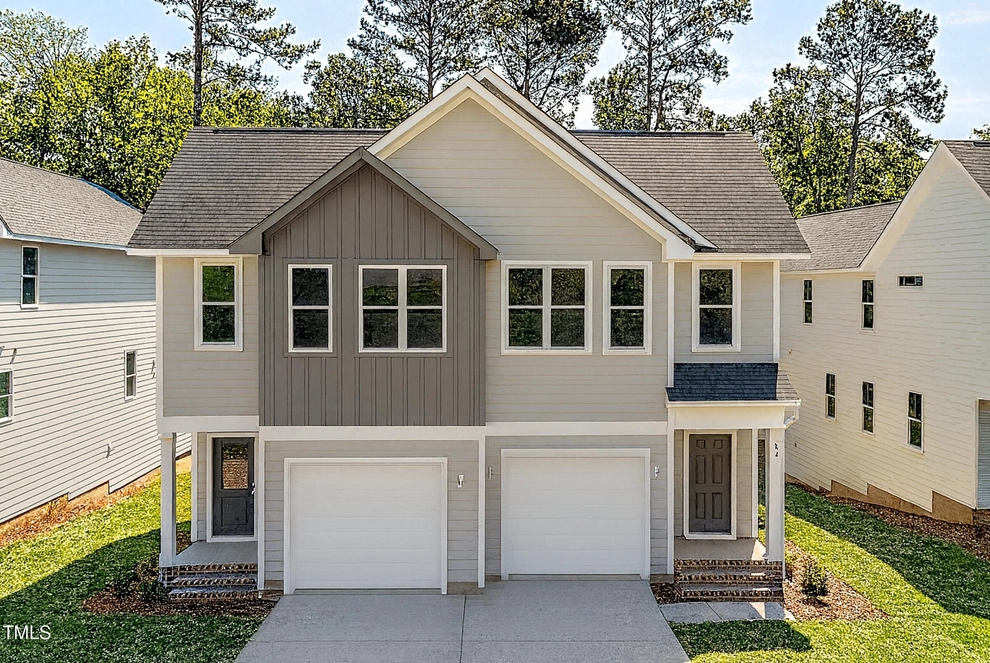
Setting competitive and fair pricing for real estate photography services is crucial for sustaining a successful photography business. The prices you set not only reflect your expertise and the quality of your work but also influence potential clients’ perception of your value. Understanding the various factors that affect pricing will help you create packages that cater to different client needs while ensuring your business remains profitable.When determining your pricing structure, several factors come into play.
These include the cost of equipment, time spent on shoots and post-processing, market demand, and the specific services you offer. Additionally, understanding the competitive landscape can provide insights into how to position your pricing effectively.
Factors to Consider When Setting Prices
Several key elements should guide your pricing decisions to ensure they are both competitive and reflective of the quality you provide:
- Cost of Equipment: Consider the initial investment in cameras, lenses, lighting, and editing software, along with ongoing maintenance costs.
- Time Commitment: Factor in the time spent on shooting, editing, and client interactions, as this directly impacts your overall workload.
- Market Demand: Research the local real estate market to gauge demand for photography services, which can influence pricing.
- Service Level: Offer different packages that vary in terms of deliverables, such as the number of photos taken or additional services like drone photography or virtual tours.
Examples of Pricing Structures
Creating distinct pricing packages can appeal to a broader range of clients. For example:
- Basic Package: Includes a 1-hour shoot with up to 20 edited images, priced around $200-$300.
- Standard Package: Includes a 2-hour shoot, up to 40 edited images, and a virtual tour, priced around $500-$700.
- Premium Package: Offers a 3-hour shoot, unlimited edited images, drone photography, and a marketing consultation, priced upwards of $1,000.
These packages not only cater to different budgets but also allow clients to choose the level of service that best fits their needs.
Comparative Pricing Strategies
To ensure your pricing is competitive, it’s beneficial to analyze what other photographers in your area charge. This can provide valuable insights into standard industry rates.
- Research Competitors: Check local real estate photographers’ websites for pricing information and services offered.
- Adjust for Experience: Photographers with more extensive portfolios or specialized services often charge higher rates. Assess your level of experience to position your pricing accordingly.
- Seasonal Discounts: Consider offering promotions during slower months to attract clients, thereby increasing your visibility and clientele.
Using these strategies will help you establish a sustainable pricing model that reflects both your skills and the market demands, ensuring your real estate photography services are both appealing and profitable.
Client Relations and Professionalism

Establishing effective client relations and maintaining professionalism are essential elements in the field of real estate photography. The ability to communicate clearly and build trust with real estate agents and clients can significantly impact your success and growth in this competitive industry. By prioritizing client interactions and upholding a professional demeanor, photographers can foster long-term relationships that lead to repeat business and referrals.Effective communication is a key factor in creating successful partnerships with real estate agents and clients.
Clear and timely communication helps manage expectations and ensures that both parties are on the same page throughout the project. Here are best practices for enhancing communication:
Best Practices for Communicating with Real Estate Agents and Clients
Establishing a strong communication framework is crucial for successful client relations. Consider the following best practices:
- Respond promptly to inquiries and messages. A quick response time reinforces your reliability.
- Use a professional tone in all communications, whether via email, phone, or in-person meetings. This sets a positive tone for the relationship.
- Clearly define project scopes, deadlines, and pricing to avoid misunderstandings later.
- Schedule regular check-ins to keep clients informed on the project status and gather feedback.
- Be open to feedback and willing to make adjustments as necessary. This shows flexibility and a commitment to client satisfaction.
Professionalism plays a vital role in establishing credibility and trust with clients. It is essential to consistently present oneself in a manner that reflects a high level of competence and respect for the client’s needs. The significance of professionalism is highlighted in the following aspects:
Importance of Professionalism in Building Long-Term Relationships
Professionalism encompasses not just how you interact with clients, but also how you conduct your business. It can manifest in various ways:
- Meeting deadlines demonstrates reliability and builds trust, making clients more likely to return for future projects.
- Dressing appropriately for meetings and shoots creates a positive impression and reflects your seriousness about your work.
- Maintaining a well-organized schedule helps manage client expectations and ensures that you can deliver quality work on time.
- Following up after a job is completed shows you value the client’s business and are interested in their satisfaction.
Understanding common client expectations is essential for exceeding them and providing exceptional service. Real estate clients typically seek specific outcomes, and knowing these can help you deliver results that go beyond their expectations:
Common Client Expectations and How to Exceed Them
Clients in the real estate sector generally have several key expectations when working with a photographer. Acknowledging and exceeding these expectations can lead to a satisfied clientele. Consider the following:
- High-quality images that accurately represent the property. Use professional-grade equipment and editing software to enhance photos.
- Timely delivery of images. Aim to deliver proofs within 24 hours after the shoot to demonstrate efficiency.
- A comprehensive package of services. Offering additional services such as virtual tours or drone photography can set you apart.
- Clear and professional contracts. Providing well-defined agreements helps prevent misunderstandings and builds trust.
By prioritizing effective communication, upholding professionalism, and understanding client expectations, real estate photographers can foster strong relationships that enhance their reputation and lead to sustained success in the industry.
Continuing Education and Staying Updated

In the fast-paced realm of real estate photography, continuous education and staying abreast of industry trends are paramount for success. As technology and market dynamics evolve, photographers must be proactive in refining their skills and adapting their strategies to meet new challenges and opportunities. This section delves into various resources and practices that can aid photographers in their journey of ongoing education and professional growth.
Resources for Ongoing Education in Photography Techniques and Trends
A multitude of resources exists to help real estate photographers enhance their craft. These resources cover both fundamental photography techniques and emerging trends that can significantly impact their business.
- Online Courses: Platforms like Udemy, Coursera, and MasterClass offer a variety of courses ranging from basic photography skills to advanced post-processing techniques. Engaging in structured learning can enrich a photographer’s understanding and skill set.
- Books and E-books: Reading literature on photography techniques, lighting, composition, and real estate marketing can foster a deeper theoretical understanding. Notable authors in the field often provide unique insights that can inspire innovative approaches.
- Video Tutorials: YouTube channels and dedicated photography websites often feature free or subscription-based tutorials that cover specific topics such as HDR photography, virtual tours, and drone photography. These visual guides can be invaluable for practical learning.
Importance of Attending Workshops and Industry Conferences
Participating in workshops and industry conferences is an effective way to gain hands-on experience and network with other professionals. These events often showcase the latest technology, trends, and techniques in real estate photography.
- Workshops: Local and national workshops allow photographers to learn directly from seasoned professionals, gaining practical skills and firsthand knowledge of the industry’s best practices.
- Conferences: Industry conferences provide a platform to explore innovative products, attend professional development sessions, and connect with potential clients or collaborators. Networking at these events can lead to new opportunities and partnerships.
- Portfolio Review Sessions: Some workshops and conferences include portfolio review opportunities, where established photographers provide constructive feedback on participants’ work. This feedback is essential for growth and refinement.
Staying Current with Real Estate Market Changes Affecting Photography
Real estate markets are inherently dynamic, and changes can greatly influence how properties are photographed and marketed. Understanding these shifts enables photographers to tailor their services effectively.
- Market Research: Keeping abreast of local real estate trends through market reports and real estate news can inform photographers about the types of properties being listed and the visual styles that are currently in demand.
- Networking with Real Estate Agents: Building relationships with real estate professionals can provide insights into client expectations and emerging market trends, allowing photographers to adjust their approach accordingly.
- Participating in Real Estate Forums: Engaging in online forums and discussion groups focused on real estate can enhance knowledge about market changes and photography needs, fostering a community of shared insights and experiences.
Final Conclusion
In conclusion, How to Get into Real Estate Photography encompasses a blend of technical skills, artistic vision, and effective marketing strategies. By understanding the importance of high-quality imagery, investing in the right equipment, and maintaining professionalism in client relations, photographers can thrive in this lucrative field. Continuous learning and adapting to market trends will further enhance your ability to meet client expectations and stand out in the industry.