How to Find Your Unique Photography Style invites photographers on a journey of self-discovery and creativity, encouraging them to explore various styles that resonate with their personal experiences.
By understanding different photography styles such as portrait, landscape, street, and macro, individuals can convey emotion and atmosphere in their work. This process is enriched through exploration of influences and inspirations, experimentation with techniques, and the importance of self-reflection, ultimately leading to the development of a unique photographic voice.
Understanding Photography Styles
Photography is a diverse art form that allows individuals to express themselves through various styles, each conveying unique emotions and atmospheres. Understanding these styles helps photographers develop their distinct voice, which is crucial in creating resonant imagery that reflects personal experiences and artistic intentions.Different photography styles serve different purposes and evoke different feelings. Here are some of the most common styles along with their distinctive characteristics and emotional influences:
Portrait Photography
Portrait photography focuses on capturing the personality and mood of individuals or groups. The subject is often the main focus, and the setting can range from a simple background to elaborate environments that tell a story about the person being photographed. This style conveys intimacy and connection, often highlighting emotions such as joy, contemplation, or vulnerability.For instance, a close-up portrait of a child laughing can evoke feelings of innocence and happiness, while a moody black-and-white portrait of an elderly person may convey wisdom and nostalgia.
The choice of lighting, background, and pose significantly contributes to the atmosphere of the portrait, making it essential for photographers to find a style that resonates with their experiences and emotions.
Landscape Photography
Landscape photography captures the beauty of nature and the environment. It focuses on expansive vistas, natural scenes, and can include elements like mountains, forests, and bodies of water. This style often conveys a sense of tranquility, vastness, or even isolation, depending on how the photograph is composed.For example, a vibrant sunset over rolling hills can evoke feelings of peace and wonder, while a fog-covered forest may create a mood of mystery and solitude.
Photographers often use techniques like composition and lighting to emphasize the emotional landscape, allowing viewers to experience the scene as if they were there.
Street Photography
Street photography captures candid moments in public spaces, documenting everyday life. This genre is characterized by spontaneity and the ability to tell stories through seemingly mundane events. The emotional impact of street photography comes from its rawness and authenticity, often showcasing a range of human experiences.A photograph of a street musician passionately playing to an engaged crowd can evoke joy and vibrancy, while an image of a lonely figure sitting on a bench can elicit feelings of isolation.
The unpredictability of street photography makes it essential for photographers to develop a keen eye for detail and an understanding of their environment, reflecting their own experiences in the images they capture.
Macro Photography
Macro photography involves capturing extremely close-up images of small subjects, revealing details that are often overlooked by the naked eye. This style is particularly effective in conveying beauty and intricacy in subjects such as insects, flowers, and textures. The emotional resonance in macro photography often stems from the wonder and fascination of discovering the hidden world around us.For instance, a close-up of a dew-covered spider web can evoke feelings of delicacy and beauty, while a detailed shot of an insect can inspire curiosity and appreciation for nature’s complexity.
This style allows photographers to connect with their subjects on a deeper level, reflecting personal experiences of discovery and observation.Finding a photography style that resonates with one’s personal experiences is vital for authenticity in artistic expression. By understanding these different styles and their emotional impacts, photographers can begin to identify which genre aligns with their vision and storytelling approach, ultimately shaping their unique photography style.
Exploring Influences and Inspirations
Photography is not only about technical skills but also about the personal influences and inspirations that shape an individual’s unique style. By exploring various sources of inspiration, photographers can cultivate a deeper understanding of their artistic vision and develop a signature style that resonates with their audience. This exploration can lead to a more fulfilling and expressive photography practice.Identifying sources of inspiration is crucial for photographers in their journey toward establishing a unique style.
Potential influences can come from a variety of domains, including art movements, natural landscapes, and cultural experiences. Each source provides distinct elements that can enrich a photographer’s work and contribute to their evolving style. Below are some notable sources of inspiration:
Sources of Inspiration
- Art Movements: Various art movements such as Impressionism, Surrealism, and Modernism can profoundly influence a photographer’s approach. The use of light, color, and composition in paintings can inspire innovative techniques in photography.
- Nature: The natural world is an endless source of inspiration. From breathtaking landscapes to intricate details of flora and fauna, nature offers unique subjects and moods that can ignite a photographer’s creativity.
- Culture: Cultural experiences, including festivals, traditions, and local customs, provide rich storytelling opportunities. Engaging with diverse cultures can lead to a more profound understanding of different perspectives and themes that can be expressed through photography.
To effectively gather visual references, photographers can utilize various methods that help organize and curate their inspirations. Creating mood boards or collections on platforms like Pinterest allows for the visual synthesis of ideas and styles. This practice not only aids in brainstorming but also serves as a constant reminder of influences that may inform future work.
Methods for Gathering Visual References
Engaging in the practice of collecting visual references is essential for creative growth. Here are effective methods to gather and organize inspiration:
- Mood Boards: Mood boards can be physical or digital collages of images, textures, and colors that convey a particular mood or theme. This method encourages exploration and helps crystallize ideas for future projects.
- Pinterest Collections: Utilizing Pinterest to save and categorize images allows photographers to create specific boards for different themes or styles. This digital organization facilitates easy access to visual inspiration when planning shoots.
- Photography Books and Magazines: Collecting photography books and subscribing to magazines can provide a curated selection of work from different photographers. These resources often feature iconic photographers whose work can inspire personal style development.
Iconic photographers have played a pivotal role in shaping the landscape of photography. Their unique perspectives, techniques, and approaches can serve as valuable benchmarks for aspiring photographers. By studying their work, photographers can identify elements that resonate with them and incorporate similar techniques into their own style.
Role of Iconic Photographers
Understanding the influence of iconic photographers is vital for personal style development. They have established benchmarks that aspiring photographers can learn from and adapt. Some notable photographers whose contributions have left a lasting impact include:
- Ansel Adams: Renowned for his stunning black-and-white landscapes, Adams’ mastery of light and composition continues to inspire photographers seeking to capture the beauty of nature.
- Diane Arbus: Known for her compelling portraits, Arbus challenged societal norms and explored themes of identity and social issues, encouraging photographers to delve into the human experience.
- Richard Avedon: Avedon revolutionized fashion photography with his minimalist style and ability to capture emotion, serving as a reminder of the importance of storytelling in visual art.
By exploring diverse influences, gathering visual references, and studying the work of iconic photographers, photographers can embark on a journey toward discovering and refining their unique style. This exploration not only enriches their artistic capabilities but also fosters a more profound connection with their craft, ultimately leading to a more authentic photographic expression.
Experimenting with Techniques

Photography is an art form that thrives on experimentation. By engaging with various techniques, photographers can not only enhance their skills but also uncover their personal style. The process of experimenting involves understanding the technical aspects of photography, such as exposure settings and composition, while also allowing room for creativity and innovation. Exploring different techniques can significantly influence the outcomes of your photographs.
From manipulating light and shadow to employing distinct compositional methods, each choice impacts the visual narrative you create. This exploration serves as a critical foundation for developing a unique photographic voice.
Exposure Settings
Understanding exposure settings is crucial for controlling light within your images. The exposure triangle, comprising aperture, shutter speed, and ISO, provides a framework for achieving the desired effect.
1. Aperture
The size of the lens opening affects depth of field and light intake. Experiment with wide apertures (e.g., f/1.8) for blurred backgrounds and narrow apertures (e.g., f/16) for greater depth of field.
2. Shutter Speed
Adjusting shutter speed can freeze action or create motion blur. Try fast shutter speeds (e.g., 1/1000 sec) for crisp images of moving subjects and slower speeds (e.g., 1/4 sec) for capturing movement.
3. ISO
The ISO setting determines the camera’s sensitivity to light. Experiment by using low ISO for bright conditions (e.g., ISO 100) and high ISO for low-light scenarios (e.g., ISO 1600) to observe noise levels in your images.
Mastering exposure settings allows for greater creative control and enhances the ability to convey emotions through imagery.
Composition Techniques
Composition plays a vital role in how images are perceived. Various techniques can guide the viewer’s eye and enhance the story being told.
1. Rule of Thirds
Divide the frame into a grid of thirds, placing subjects along the lines or intersections for a balanced composition.
2. Leading Lines
Use natural lines within the scene to lead the viewer’s eye towards the main subject.
3. Framing
Employ elements in the scene to create a frame around your subject, drawing attention and adding depth.Engaging with these composition techniques can transform a mundane photograph into a captivating visual story.
Post-Processing Techniques
Post-processing is an essential part of modern photography, allowing for further refinement and enhancement of images. Techniques in post-processing can alter the mood and impact of a photograph.
1. Color Correction
Adjusting the white balance and saturation can significantly impact the emotional tone of an image.
2. Cropping and Straightening
Fine-tuning the composition in post-processing can enhance the overall aesthetics and focus of the image.
3. Applying Filters and Effects
Experimenting with different filters can create unique styles, whether through vintage, black and white, or high contrast effects.Trial and error in post-processing is paramount as it helps photographers discover their preferences and refine their signature style.
Practical Exercises for Experimentation
Engaging in practical exercises can lead to valuable insights and advancement in photography skills. Below is a list of exercises designed to help you explore various styles and techniques in real-life scenarios:
Daily Photo Challenge
Capture a photo every day focusing on a different technique, such as light, composition, or subject matter.
Theme Exploration
Choose a theme (e.g., portraits, landscapes) and capture as multiple interpretations using different techniques and settings.
Light Studies
Spend time photographing the same scene at different times of the day to observe how natural light changes and impacts your images.
Action Shots
Practice capturing motion by photographing subjects in motion at different shutter speeds.
Post-Processing Variations
Take a single photo and edit it in various ways using different color palettes and styles to see how it transforms.
Approaching photography with a mindset of experimentation encourages growth and creativity, allowing your personal style to flourish.
Self-Reflection and Personal Expression
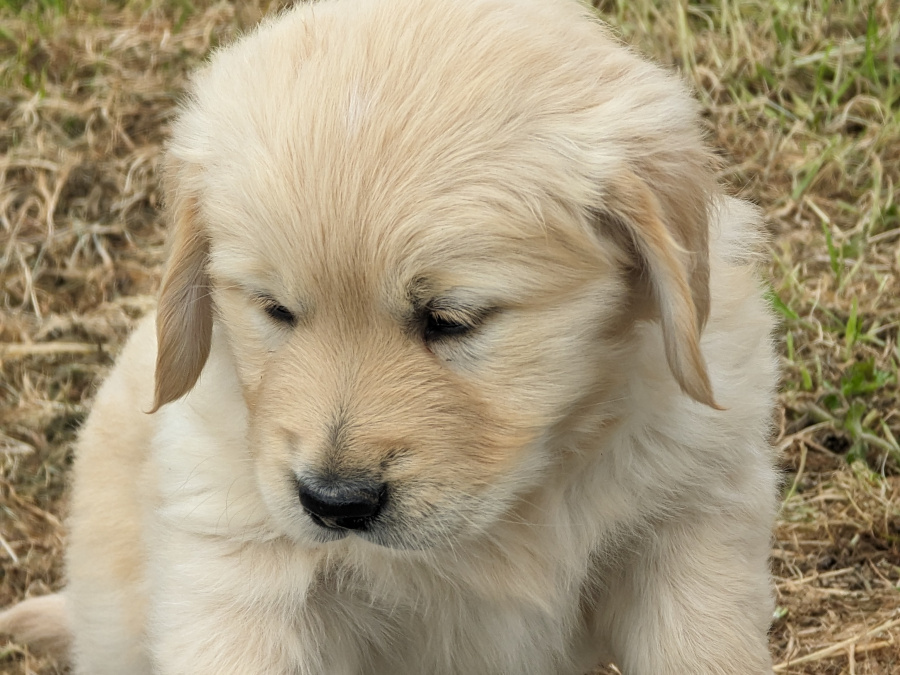
Self-reflection plays a pivotal role in the journey of a photographer seeking to identify their unique style. By engaging in self-reflection, photographers can unveil personal preferences and dislikes, which are essential in sculpting their artistic voice. Recognizing the elements that resonate or repel can guide photographers in curating a body of work that genuinely represents their vision and emotional landscape.Documenting personal thoughts and feelings about captured images can significantly enhance the understanding of one’s artistic inclinations.
This practice fosters a deeper connection to the work, allowing the photographer to articulate their emotions and intentions. Keeping a visual journal or a dedicated photography diary can serve as a powerful tool for this exploration. By reflecting on the context of each image, the emotions felt during the shooting process, and the messages conveyed, photographers can gain clarity on their evolving style.
Communicating a Story or Message Through Photography
Every photograph carries an innate potential to convey a story or message. The choices made during the photography process—such as composition, lighting, subject matter, and color palette—can significantly influence the narrative being communicated. Understanding these choices is crucial for personal expression.To effectively communicate a story through photography, consider the following elements:
- Subject Matter: The subjects chosen often reflect personal interests and beliefs. For instance, a photographer passionate about environmental issues may focus on capturing nature’s beauty while highlighting the impacts of climate change.
- Composition: The arrangement of elements within the frame can guide the viewer’s eye. Utilizing techniques like the rule of thirds or leading lines can enhance the storytelling aspect, creating a visual path that draws attention to the focal point.
- Lighting: The use of natural or artificial light can evoke different emotions. Soft, diffused lighting may create a serene atmosphere, while harsh shadows might evoke tension or drama.
- Color Palette: Colors have profound psychological impacts. For example, warm colors can evoke feelings of happiness and energy, while cool colors often instill calmness or melancholy. Selecting a color palette that aligns with the intended message can elevate the overall impact of the photograph.
“A photograph is a secret about a secret. The more it tells you, the less you know.” — Diane Arbus
By consciously considering these aspects, photographers can create images that resonate deeply with viewers while simultaneously expressing their unique perspectives. Through this process of self-reflection and personal expression, the photographer not only develops a distinctive style but also crafts a compelling narrative that speaks to their audience on an emotional level.
Building a Portfolio
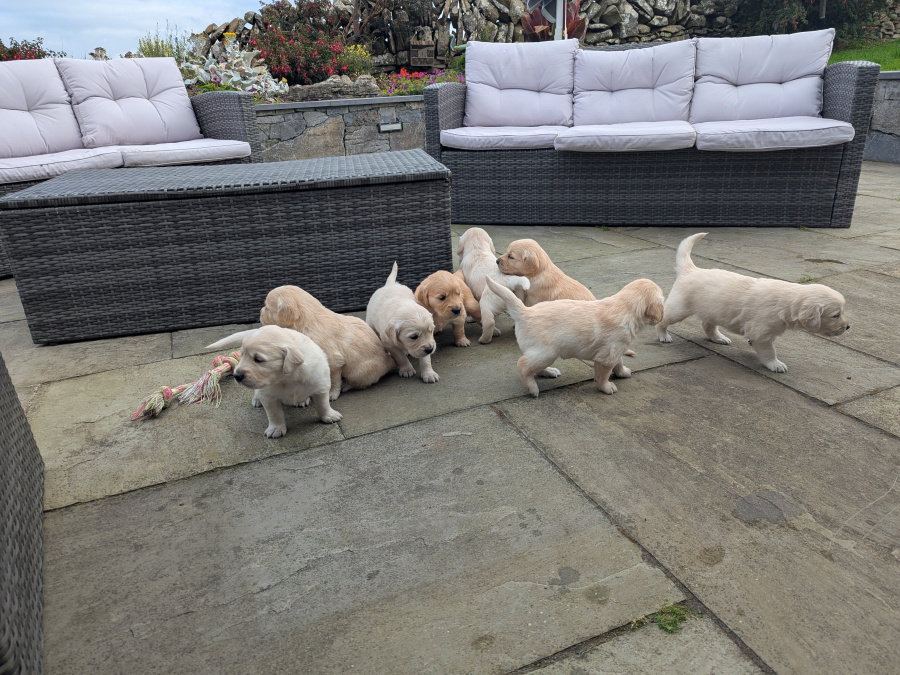
Creating a well-curated photography portfolio is essential for showcasing your unique style and attracting potential clients or galleries. A thoughtfully designed portfolio not only highlights your best work but also communicates your artistic vision and professional identity. This section will provide insights into effective strategies for building a compelling portfolio that resonates with your target audience.Compiling a photography portfolio requires careful selection and organization of your most impactful images.
It’s important to consider the narrative you wish to convey through your work and to choose images that align with that vision. Here are key tips for curating an effective photography portfolio:
Curating a Photography Portfolio
The selection of photographs for your portfolio should reflect your unique style while considering the preferences of your audience. Below are some crucial aspects to keep in mind when curating your work:
- Focus on Quality over Quantity: Select only your strongest images that demonstrate your technical skills and artistic vision. It’s better to have a smaller number of exceptional photos than a larger collection of mediocre ones.
- Maintain Consistency: Ensure that the images share a cohesive style or theme. This could be in terms of color palette, subject matter, or technique, which helps to establish a clear visual identity.
- Tell a Story: Organize your images in a way that narrates a journey or theme. This could involve sequencing images that complement each other or exploring a specific concept through a series of photographs.
- Include Diverse Work: While consistency is important, showcasing a range of techniques or subjects can also demonstrate your versatility. Consider including a variety of genres that reflect your capabilities.
Structuring for Different Audiences
Depending on whether your audience is clients, galleries, or online viewers, the structure of your portfolio may vary. Understanding the specific needs of each audience can enhance the effectiveness of your presentation.
- For Clients: Create a straightforward and professional layout that emphasizes your ability to meet client needs. Include sections for different types of work (e.g., portraits, events, commercial) and provide relevant context about each project, such as client testimonials or project goals.
- For Galleries: Focus on thematic presentation. Use a clean, elegant design that allows the photographs to stand out. Include artist statements or descriptions that provide insight into your artistic vision and the narrative behind your work.
- For Online Platforms: Ensure your portfolio is easily navigable and visually engaging. Utilize responsive design for accessibility across devices, and consider integrating features like slideshows or galleries to enhance viewer interaction.
Importance of Updating and Evolving
A photography portfolio is a living document that should evolve alongside your artistic growth. Regular updates are crucial in showcasing your latest work and developments in style.
“An outdated portfolio can misrepresent your current skills and artistic direction.”
Consider the following practices for keeping your portfolio fresh:
- Regularly Review Your Work: Set intervals, such as every six months, to evaluate your portfolio. Remove older images that no longer align with your current style and update it with recent work that captures your growth as a photographer.
- Integrate Feedback: Seek constructive criticism from peers or mentors and consider incorporating their suggestions to improve your portfolio’s appeal and effectiveness.
- Stay Informed: Keep abreast of trends in photography and incorporate new techniques or themes that resonate with you. This not only reflects your evolution but also keeps your work relevant in a dynamic industry.
Seeking Feedback and Community Engagement
Engaging with peers and mentors, as well as participating in photography communities, are crucial steps in refining your unique photography style. Constructive criticism and active participation can provide insights that enhance your skills and broaden your perspective. By seeking feedback and immersing yourself in a community of like-minded individuals, you can foster growth and inspiration in your photographic journey.
Approaching Peers and Mentors for Constructive Criticism
Requesting feedback from peers and mentors is essential for personal development in photography. When approaching individuals for critique, consider the following methods to ensure the feedback is constructive and beneficial:
- Choose the Right Time and Place: Ensure that the setting is comfortable and conducive for open discussion, allowing for an effective exchange of ideas.
- Be Specific in Your Requests: Instead of asking for general feedback, specify areas you would like to improve, such as composition, lighting, or emotional impact.
- Remain Open to Criticism: Approach feedback with a positive mindset, recognizing that constructive criticism is aimed at helping you grow as an artist.
- Express Gratitude: Always thank your peers and mentors for their insights, regardless of whether the feedback is positive or critical, as this fosters ongoing relationships.
Engaging with Photography Communities
Being part of photography communities, whether online or offline, can significantly enhance your learning experience and exposure to different styles. Here are effective methods to engage with these communities:
- Join Online Forums and Social Media Groups: Platforms like Flickr, Instagram, and specialized photography forums offer spaces to showcase your work and receive feedback from a larger audience.
- Attend Workshops and Meetups: Engage in local photography workshops or meetups where you can interact with fellow photographers, share experiences, and learn from one another.
- Participate in Critique Groups: Join or create a critique group where members can share their work regularly and provide feedback in a structured manner, promoting growth through shared insights.
- Volunteer for Community Projects: Participating in community photography projects or exhibitions can provide valuable experience, networking opportunities, and the chance to contribute your skills for a good cause.
Hosting or Participating in Critique Sessions
Critique sessions are a valuable way to facilitate mutual learning among photographers. To host or participate effectively, consider the following guidelines:
“Feedback is not just about pointing out flaws but recognizing strengths and encouraging growth.”
- Set Clear Objectives: Establish what the session aims to achieve, whether it’s to improve technical skills, explore creative ideas, or receive feedback on a specific project.
- Encourage Honest and Respectful Communication: Create an environment where participants feel safe to express their thoughts openly while respecting each other’s work.
- Balance Positive and Constructive Feedback: Ensure that critiques highlight both strengths and areas for improvement, promoting a more comprehensive understanding of each member’s work.
- Follow Up: After the session, maintain relationships with participants and offer support or additional feedback as they continue to develop their skills.
Evolving Your Style
The evolution of a photographer’s style is an ongoing journey shaped by various influences, experiences, and personal growth. As photographers engage with their craft over time, they may find that their initial preferences and aesthetics begin to shift, leading to a more refined or even entirely new style. This evolution can stem from factors such as exposure to different genres of photography, technological advancements, and changes in personal circumstances or artistic goals.Understanding how to consciously evolve your style while retaining the core elements that define your work is crucial for artistic growth.
Several steps can guide photographers in this endeavor, allowing them to innovate without losing their unique identity.
Steps for Consciously Experimenting with New Ideas
To effectively explore new ideas while maintaining your unique style, consider the following steps:
1. Identify Core Elements
Recognize the fundamental aspects of your photography that resonate with both you and your audience. This could include specific themes, color palettes, or techniques that you consistently use.
2. Set Intentions
Before experimenting, Artikel what you hope to achieve through the exploration of new ideas. This could range from expanding your technical skills to expressing new emotions or narratives in your work.
3. Research and Inspiration
Look at diverse sources for inspiration, including different photography genres, art forms, and cultural influences. This exposure can help you envision new possibilities for your own work.
4. Practice New Techniques
Dedicate time to experiment with various photography techniques that intrigue you. Whether it involves playing with lighting, composition, or editing styles, ensure that you document these sessions to reflect on your progress.
5. Integrate Innovations Gradually
Introduce new ideas into your work incrementally. This allows you to assess how these changes interact with your established style and whether they enhance or detract from your overall vision.
6. Seek Feedback
Share your experimental work with peers, mentors, or photography communities. Constructive feedback can provide valuable insights into how well your innovations resonate with others while also informing your next steps.
7. Reflect on Your Growth
Regularly take time to evaluate your evolving style. Consider how your new influences and techniques have shaped your photography and what elements remain central to your artistic identity.Balancing consistency and innovation is essential in developing a coherent body of work. While it is important to remain true to your artistic voice, embracing change can infuse vitality into your photography.
Striking a balance between these two aspects ensures that your evolution as an artist is both authentic and captivating, allowing your body of work to reflect both your journey and individuality.
“Consistency in style, coupled with the courage to innovate, leads to a photographer’s signature that evolves yet remains recognizable.”
Last Recap
In conclusion, the path to finding your unique photography style is an evolving journey that combines self-reflection, experimentation, and community engagement. By building a diverse portfolio and seeking constructive feedback, photographers can enhance their artistic expression and maintain a balance between consistency and innovation in their work. Embrace this journey, and let your individuality shine through every captured moment.