How to Legally Protect Your Images Online sets the stage for a comprehensive exploration of the fundamental concepts and strategies essential for safeguarding your visual creations in the digital realm. In an age where images can be easily shared and reproduced, understanding copyright laws, licensing options, and protective measures becomes paramount for creators seeking to maintain control over their work.
This guide aims to empower photographers and artists with the knowledge they need to navigate the complexities of image protection and assert their rights confidently.
Throughout this discussion, we will delve into various aspects of image copyright, explore licensing practices, and examine the importance of watermarking and metadata. Additionally, we will look at Creative Commons licenses, provide insights on registration and documentation, and Artikel steps to take in cases of infringement. By equipping yourself with this knowledge, you will be better prepared to protect your images and uphold your creative integrity.
Understanding Image Copyright
Copyright is a legal framework designed to protect original works of authorship, including images. It grants creators exclusive rights over their creations, enabling them to control how their work is used. This protection is crucial for photographers, graphic designers, and artists as it secures their intellectual property rights and provides a means to monetize their work. Without copyright, creators would face the risk of unauthorized use, reproduction, or distribution of their images, potentially leading to significant financial losses and undermining their creative efforts.The concept of copyright encompasses various categories, particularly in relation to images.
Copyright applies to both published and unpublished works, giving creators the right to determine how their images are shared or displayed. It is important to understand that copyright arises automatically upon the creation of an image, provided it meets the required originality standard. However, creators can also opt to register their works with appropriate authorities, which strengthens their legal position in cases of infringement.
Types of Copyright Applicable to Images
When discussing copyright protections for images, it is essential to recognize the various types that can apply. These include:
- Copyright for Photographs: Photographic works are automatically protected under copyright law as soon as they are created. This includes both digital and physical photographs.
- Copyright for Illustrations and Artwork: Original illustrations and artistic creations are similarly protected, covering everything from drawings to digital paintings.
- Copyright for Graphic Designs: Graphic design works, including logos and branding materials, are also protected under copyright, assuming they exhibit originality.
- Copyright for Stock Images: Images sold as stock photos are protected, and the rights can be licensed to third parties under specific terms Artikeld in agreements.
Understanding these distinctions is vital for creators to navigate the complexities of copyright law effectively.
Rights Granted to Image Creators
Copyright law provides several critical rights to image creators, enabling them to govern the use of their works.
The exclusive rights include reproduction, distribution, public performance, public display, and the creation of derivative works.
The rights granted under copyright ensure that creators have control over their images and can pursue legal action against unauthorized usage. Here is a breakdown of these essential rights:
- Reproduction Rights: Creators have the exclusive authority to reproduce their images in any form, whether physical or digital.
- Distribution Rights: Creators can decide how and where their images are distributed, including the sale of prints or digital copies.
- Public Display Rights: Copyright holders can control whether and how their images are displayed publicly, such as in exhibitions or online galleries.
- Derivative Works Rights: Image creators can authorize adaptations or modifications of their original works, allowing for further creativity while retaining control over the original content.
By understanding these rights, image creators can better protect their work and ensure they receive recognition and compensation for their contributions.
Licensing Your Images

Licensing plays a critical role in how photographers can protect their work while allowing others to utilize their images legally. Understanding the different types of licenses available is essential for maximizing potential revenue and maintaining control over the use of one’s images.Various licensing options exist for photographers to consider when deciding how to protect and monetize their images. Each type of licensing serves different purposes and comes with its specific terms and conditions.
Types of Licensing Options
It is important to be aware of the various types of licenses that photographers can choose from, as they dictate how images may be used by others. The following summarizes the primary types of image licenses:
- Exclusive License: Grants the licensee sole rights to use the image, meaning the photographer cannot license the same image to anyone else for the duration of the agreement.
- Non-Exclusive License: Allows the photographer to license the same image to multiple parties, providing flexibility and potentially greater revenue.
- Rights Managed License: Involves a contract that specifies how long and in what ways the image can be used, often charging based on the intended use and duration.
- Royalty-Free License: Permits the use of the image without ongoing fees after an initial purchase, though certain rights may still be reserved by the photographer.
- Creative Commons License: A flexible licensing option that allows creators to dictate how their images can be used, typically offering various levels of permissions from public use to non-commercial use.
Platforms for Licensing Images
Photographers can choose from several platforms to license their images effectively. These platforms cater to different audiences and needs, providing a marketplace for both buyers and sellers of images. Below are some well-known platforms where photographers can license their work:
- Shutterstock
- Adobe Stock
- Getty Images
- iStock
- Alamy
- 500px
Best Practices for Drafting a Licensing Agreement
Creating a comprehensive licensing agreement is crucial to protecting a photographer’s interests while allowing for the legal use of their images. The following best practices can assist in drafting an effective licensing agreement:
- Clearly Define Usage Rights: Specify exactly how the images can be used, including any limitations on modifications, distribution, or duration of use.
- Include Payment Terms: Artikel the fees associated with the licensing, including any upfront payments, royalties, or commissions.
- Specify Exclusivity: Clearly state whether the license is exclusive or non-exclusive and the implications of each on the use of the images.
- Address Liability: Include clauses that limit the liability of the photographer in case of misuse of the images by the licensee.
- Consider Jurisdiction: Indicate which laws will govern the agreement and the remedies available in case of a dispute.
Watermarking and Metadata
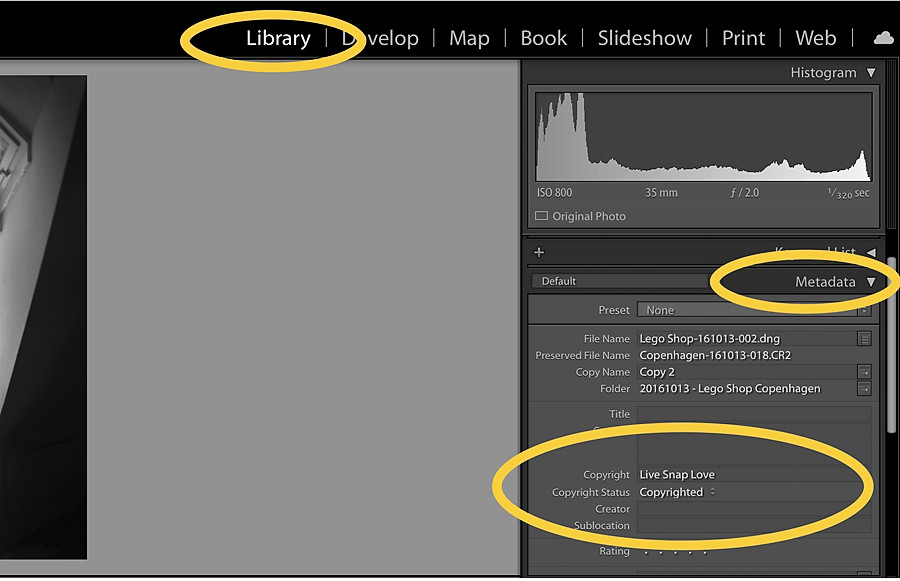
Watermarking and metadata are crucial techniques for legally protecting images online. Watermarks serve as a visible deterrent against unauthorized use, while metadata provides embedded information that can assert ownership and copyright claims. Understanding how to effectively apply these methods is essential for anyone looking to safeguard their creative work.
Process of Adding Watermarks to Images
Adding a watermark to an image is a straightforward process that can be accomplished using various software applications. Watermarks can be designed as text, logos, or a combination of both, and their placement significantly affects their visibility and effectiveness in deterring unauthorized use. To create an effective watermark, consider the following steps:
1. Choose a Design
Select a design that represents your brand or personal identity. This could include your name, logo, or a unique symbol.
2. Select Software
Use photo editing software such as Adobe Photoshop, GIMP, or online tools like Canva to add watermarks.
3. Adjust Transparency
Set the opacity of the watermark to a level where it is discernible but does not overshadow the image itself. A typical range is between 30% to 70%.
4. Placement
Position the watermark in a way that it covers critical areas of the image but does not detract from its overall appeal. Common placements are the bottom right corner or diagonally across the center.
5. Save Your Image
Export the image in a suitable format (JPEG, PNG) while ensuring the watermark remains intact.Effective watermarking not only protects your images but also promotes your brand when shared online.
Embedding Metadata into Images
Embedding metadata into images is a key method for asserting copyright protection and providing important information about the image. Metadata can include details such as the creator’s name, the copyright notice, and the creation date. To embed metadata, follow these steps:
1. Use Software
Utilize image editing software that supports metadata editing, such as Adobe Lightroom or Photoshop.
2. Access Metadata Panel
Locate the metadata or information panel within the software.
3. Input Information
Fill in the relevant fields with your details: – Title
Author/Creator
Copyright Notice
Date of Creation
Description
4. Save Changes
Make sure to save your changes to ensure the metadata is embedded within the image file.Embedding metadata is a subtle yet powerful way to assert your rights over an image and can serve as evidence in case of infringement.
Effectiveness of Different Watermarking Techniques
Various watermarking techniques differ in effectiveness and visual impact. The following methods are commonly used, each with its strengths and weaknesses:
- Text Watermarks: Typically quick to create and easy to customize. They are often less visually appealing but can be effective in asserting ownership.
- Logo Watermarks: Provide a clear brand identity and are harder to replicate. However, they may obstruct part of the image, impacting viewer experience.
- Invisible Watermarks: These are embedded within the image data and are not visible to the naked eye. While they do not affect the aesthetics of the image, they require specific software to detect and are less recognizable to the general public.
- Pattern Watermarks: A repeating pattern or design across the image can deter unauthorized use without completely obstructing the image. However, they may require more effort to create and can be visually distracting.
When selecting a watermarking technique, consider the intended use of the image and the balance between protection and aesthetics. An effective watermark should protect your rights while still allowing your work to shine.
Utilizing Creative Commons

Creative Commons (CC) provides a flexible range of protections and freedoms for authors, artists, and educators, allowing them to share their creative works legally while retaining certain rights. This system enables image creators to choose how their images can be used by others, promoting a culture of sharing while still honoring intellectual property rights. Understanding how Creative Commons licenses function is crucial for both image creators and users.Creative Commons licenses operate on the principle of allowing users to legally use, share, and adapt images, provided they adhere to specific terms set by the original creator.
These licenses can either be permissive, allowing broad use, or more restrictive, granting limited freedoms. Each license varies in terms of attribution requirements, commercial use allowances, and the acceptance of derivative works.
Guide to Selecting the Appropriate Creative Commons License
Choosing the correct Creative Commons license for your work is essential in ensuring that your intentions regarding image usage are clear. The following points Artikel the types of licenses and their implications:
- CC BY: This license allows others to distribute, remix, adapt, and build upon your work, even for commercial purposes, as long as they credit you for the original creation. It is the most flexible CC license.
- CC BY-SA: Similar to CC BY, this license allows for adaptations and commercial use, but requires that new creations carry the same license, thus promoting the same freedom for future users.
- CC BY-ND: This license allows others to use the work for commercial and non-commercial purposes, but prohibits alterations. It is ideal for creators who want to maintain the integrity of their original work.
- CC BY-NC: This license allows others to remix, adapt, and build upon your work non-commercially, and although new works must also acknowledge you, they don’t have to license their derivative works on the same terms.
- CC BY-NC-SA: This license combines non-commercial use with the share-alike provision, allowing for adaptations as long as they are non-commercial and the resulting works are licensed under identical terms.
- CC BY-NC-ND: This is the most restrictive CC license. It allows others to download your works and share them with others, provided they credit you, but they can’t change them in any way or use them commercially.
Understanding the implications of using Creative Commons licensed images in your projects is equally important. Using CC licensed images can enhance the creative process and significantly reduce legal barriers. However, it is critical to adhere to the license terms to avoid infringing on the copyright.
“Using Creative Commons licensed images responsibly not only respects the rights of the creators but also fosters a collaborative environment for creativity to flourish.”
Moreover, incorporating CC licensed images in projects often encourages a sense of community and shared knowledge. For instance, educators and students can access vast resources for teaching and learning without financial constraints, promoting a culture of knowledge sharing. Nonetheless, it is essential to provide proper attribution and to verify that the license terms meet the needs of your specific project.
Registration and Documentation
Registering your images with the copyright office is a crucial step in establishing your rights as a creator. This formal process not only affirms your ownership but also provides legal advantages if you ever need to enforce your rights. Understanding the steps involved in registration and the importance of documentation can significantly bolster your protection strategy.
Procedure for Registering Your Images with the Copyright Office
Registering your images with the copyright office involves a systematic approach. The United States Copyright Office, for instance, allows creators to file online through their website. The key steps include:
1. Complete the Application Form
Choose the appropriate form for your type of work. For images, Form VA is typically used for visual arts.
2. Provide Work Details
Accurately describe your images, including the title, date of creation, and any relevant notes about the work.
3. Submit a Copy of Your Work
Include a digital copy of your image. The copyright office may require a specific format or resolution.
4. Pay the Registration Fee
Fees may vary depending on the method of registration and the number of works being registered.
5. Await Confirmation
After submission, monitor your email for a confirmation of your application and further instructions.The entire process can typically be completed online, making it efficient and straightforward for creators.
Benefits of Documenting the Creation of Your Images
Maintaining thorough documentation of your image creation offers several substantial benefits. Key advantages include:
Proof of Ownership
Comprehensive records serve as undeniable evidence of your authorship and the originality of your work.
Enhanced Legal Standing
In the event of infringement, detailed documentation can provide support in legal proceedings, demonstrating your rights.
Tracking Usage
Documenting how and where your images are used can help in managing licenses and royalties effectively.This meticulous record-keeping reinforces your position as a creator and can be instrumental in any legal disputes that may arise.
Checklist for Keeping Proper Records of Image Creation and Usage
To efficiently manage your image documentation, consider the following checklist. This checklist will aid in organizing your records, making it easier to retrieve information when necessary.
Create a File for Each Image
Maintain a dedicated folder for each image, both physically and digitally.
Record Creation Details
Include the date of creation, location, equipment used, and any collaborators involved.
Document Licensing Information
Keep track of licensing agreements, including any permissions granted or licenses sold.
Track Usage and Publication
Note where your images have been published or used, including websites, magazines, or commercial projects.
Save Communication Records
Retain any correspondence related to your images, whether it’s inquiries from clients or negotiations for usage.By adhering to this checklist, you can ensure that your image creation and usage are well-documented, providing you with a solid foundation for legal protection.
Legal Recourse for Infringement
When your images are used without permission, it becomes essential to understand the necessary steps to protect your rights as an artist or creator. Copyright infringement can diminish the value of your work and your income, making it crucial to be prepared to address such violations. This section Artikels the actions you can take if you find your images have been misappropriated.If you discover that your images have been used without your consent, the first step is to document the infringement.
This includes taking screenshots of the unauthorized use, noting the URLs where your images are displayed, and gathering any related correspondence. Having this evidence is pivotal as it establishes the basis of your claim. In many cases, the next logical step is to send a cease and desist letter to the infringing party.
Cease and Desist Letters
A cease and desist letter serves as a formal warning to the party infringing on your copyright. This letter typically Artikels your ownership of the image, the unauthorized use, and your demand for the infringer to stop using your work. Such letters can be effective in resolving disputes without requiring further legal action. Key components of a cease and desist letter include:
- Your contact information: Ensure your name, address, and email are clearly stated.
- A description of the work: Provide details about the specific images being infringed upon.
- Evidential documentation: Reference the evidence of infringement, including screenshots or links.
- A demand for cessation: Clearly request that the infringing party cease the unauthorized use of your images.
- A deadline: Offer a reasonable timeframe for compliance, such as a few weeks.
Sending a cease and desist letter is often sufficient to resolve the issue, but if the infringer fails to respond or comply, there are further legal options available.
Options for Legal Action Against Copyright Infringement
Should informal measures fail, copyright holders have several legal avenues to pursue. These options can vary based on the severity of the infringement and the jurisdiction in question. The available actions include:
- Filing a DMCA Takedown Notice: Under the Digital Millennium Copyright Act, you can submit a notice to the website host or service where your images are being used unlawfully. This can lead to the removal of the infringing content.
- Mediation or Arbitration: Many disputes can be effectively resolved through mediation, where a neutral third party helps facilitate a settlement. Arbitration is another viable option, where an arbitrator makes a binding decision on the issue.
- Litigation: If resolution attempts are unsuccessful, pursuing a lawsuit is an option. This can be a lengthy and costly process, but if you prevail, you may be entitled to damages and attorney’s fees.
It is important to understand that the legal landscape surrounding copyright infringement can be complex, and seeking advice from a qualified intellectual property attorney can provide invaluable guidance tailored to your specific situation.
“Protecting your images is not just a matter of law; it is an essential aspect of valuing your creative work.”
Educating Yourself and Others
In the ever-evolving digital landscape, understanding image copyright and protection is essential for anyone who creates or uses visual content. Educating oneself and others about these matters not only enhances individual knowledge but also fosters a more informed creative community. By sharing resources and organizing educational initiatives, we can collectively strengthen our grasp of image rights and their implications.The importance of continuous education in image copyright cannot be overstated.
With laws and technologies changing frequently, keeping abreast of the latest developments ensures that creators are adequately protected against infringement. Furthermore, empowering others with this knowledge promotes a culture of respect for intellectual property.
Resources for Continuing Education
To facilitate ongoing learning about image copyright and protection, a variety of resources are available. These can serve as valuable tools for creators, educators, and students alike.
- Online Courses: Platforms such as Coursera, Udemy, and LinkedIn Learning offer courses focused on copyright law and image licensing.
- Webinars and Workshops: Organizations like the American Society of Media Photographers (ASMP) frequently host webinars that delve into copyright issues relevant to visual artists.
- Books and Publications: Essential reading materials, including “Copyright for Dummies” or “The Photographer’s Guide to Copyright,” provide comprehensive insights into copyright laws and best practices.
- Legal Blogs and Websites: Websites such as the Creative Commons blog and the U.S. Copyright Office website offer updates on laws, case studies, and practical advice.
Raising awareness about image rights is vital in creative communities, where collaboration and sharing are commonplace. By fostering an environment where knowledge is readily shared, we help mitigate potential infringements and promote respect for the work of others.
Conducting Workshops or Webinars
Creating a plan for hosting workshops or webinars on image protection can significantly enhance community awareness and understanding. These educational initiatives should be designed to engage participants actively and provide them with practical tools for protecting their work.To establish a successful workshop series, consider the following key elements:
- Identifying Target Audiences: Tailor workshops for photographers, graphic designers, or educators to ensure relevance and effectiveness.
- Collaborating with Experts: Invite legal professionals or experienced creators to lead discussions, offering firsthand knowledge and expertise.
- Interactive Formats: Incorporate Q&A sessions, case study discussions, and hands-on activities to encourage participation and deeper understanding.
- Providing Resources: Distribute materials such as checklists, guides, and templates that attendees can utilize in their own practices.
The outcome of such initiatives not only benefits individual participants; it also contributes to a broader culture of awareness and protection within the creative community.
Importance of Raising Awareness
Raising awareness about image rights within creative communities serves multiple purposes. As artists and creators increasingly share their work online, understanding copyright protection becomes crucial in safeguarding their creations.
- Community Empowerment: Knowledgeable creators can better navigate the complexities of copyright, leading to increased confidence in sharing their work.
- Reduction of Infringements: Awareness campaigns can lower instances of unintentional copyright violations, fostering a culture of respect and legality.
- Promotion of Best Practices: Educated individuals can advocate for proper licensing, attribution, and fair use, ensuring that everyone benefits from the work produced.
By prioritizing education and awareness, creative communities can cultivate a supportive environment where the rights of image creators are respected and protected.
Last Word
In conclusion, understanding how to legally protect your images online is vital in today’s visually driven world. By implementing the strategies discussed, such as leveraging copyright laws, using licensing agreements, and incorporating protective measures like watermarks, you will not only safeguard your work but also enhance your professional reputation. As you continue to create and share, remember that knowledge is your strongest ally in the fight against infringement—stay informed, vigilant, and proactive in protecting your artistic rights.