Delving into How to Use Dodge and Burn for Impact, this exploration unveils the transformative power of these techniques in photography. Originating as a darkroom method, dodge and burn has evolved into an essential digital editing tool that allows photographers to manipulate light and shadow, enhancing the emotional depth and visual appeal of their images.
By understanding the foundational principles and practical applications of dodge and burn, photographers can elevate their work, whether they are enhancing portraits or crafting stunning landscapes. This guide will provide valuable insights into the tools, advanced techniques, and common pitfalls associated with these methods, ensuring that both novice and experienced photographers can harness their potential effectively.
Understanding Dodge and Burn Techniques
The dodge and burn techniques are fundamental methods in photography and digital editing that enhance images by selectively adjusting exposure. Historically rooted in traditional darkroom practices, these techniques have evolved with advancements in technology, becoming essential tools for photographers and digital artists alike. The ability to manipulate light and shadow can significantly impact the mood and depth of an image, making an understanding of these techniques vital for anyone looking to elevate their photographic work.The basic principles of dodge and burn involve lightening (dodging) or darkening (burning) specific areas of an image.
Dodging increases the exposure in highlighted areas, while burning decreases exposure in shadows or midtones, allowing for a more dynamic range of tones. This selective manipulation can help emphasize details, create depth, and guide the viewer’s eye to focal points within the composition.
Historical Context and Evolution
Dodge and burn techniques trace their origins back to the early days of photography in the darkroom. Photographers employed physical tools such as cardboards and hands to block light from hitting certain areas of a print during the exposure process. As photographic technology developed, techniques continued to evolve, with the introduction of more sophisticated methods and tools. In the digital realm, software such as Adobe Photoshop, Lightroom, and GIMP has made the process of dodging and burning more accessible.
Digital tools allow for precise control over the adjustments, enabling photographers to edit images with incredible accuracy. These programs include features that mimic traditional dodging and burning, such as adjustment layers, brush tools, and blending modes.
Tools and Software for Digital Editing
The effectiveness of dodge and burn techniques in digital photography relies heavily on the choice of tools and software. Various applications provide robust features that facilitate these adjustments. Here are some commonly used tools:
- Adobe Photoshop: Known for its comprehensive editing capabilities, Photoshop offers a range of tools for dodging and burning, including brush tools and adjustment layers.
- Adobe Lightroom: This software provides global adjustments and local brushing tools that enable users to lighten or darken specific areas of an image effectively.
- GIMP: A free alternative to Photoshop, GIMP also includes tools for dodging and burning, allowing users to achieve similar effects without the associated costs.
- Affinity Photo: This software includes equivalent tools for dodging and burning, appealing to those seeking a cost-effective yet powerful editing solution.
The choice of software may depend on the user’s proficiency, budget, and specific preferences in editing style. Mastering these tools can greatly enhance the quality and impact of photographic work.
“Dodge and burn are not just techniques; they are an essential part of the storytelling process in photography, allowing the artist to guide the viewer’s gaze and evoke emotion.”
Practical Application of Dodge and Burn
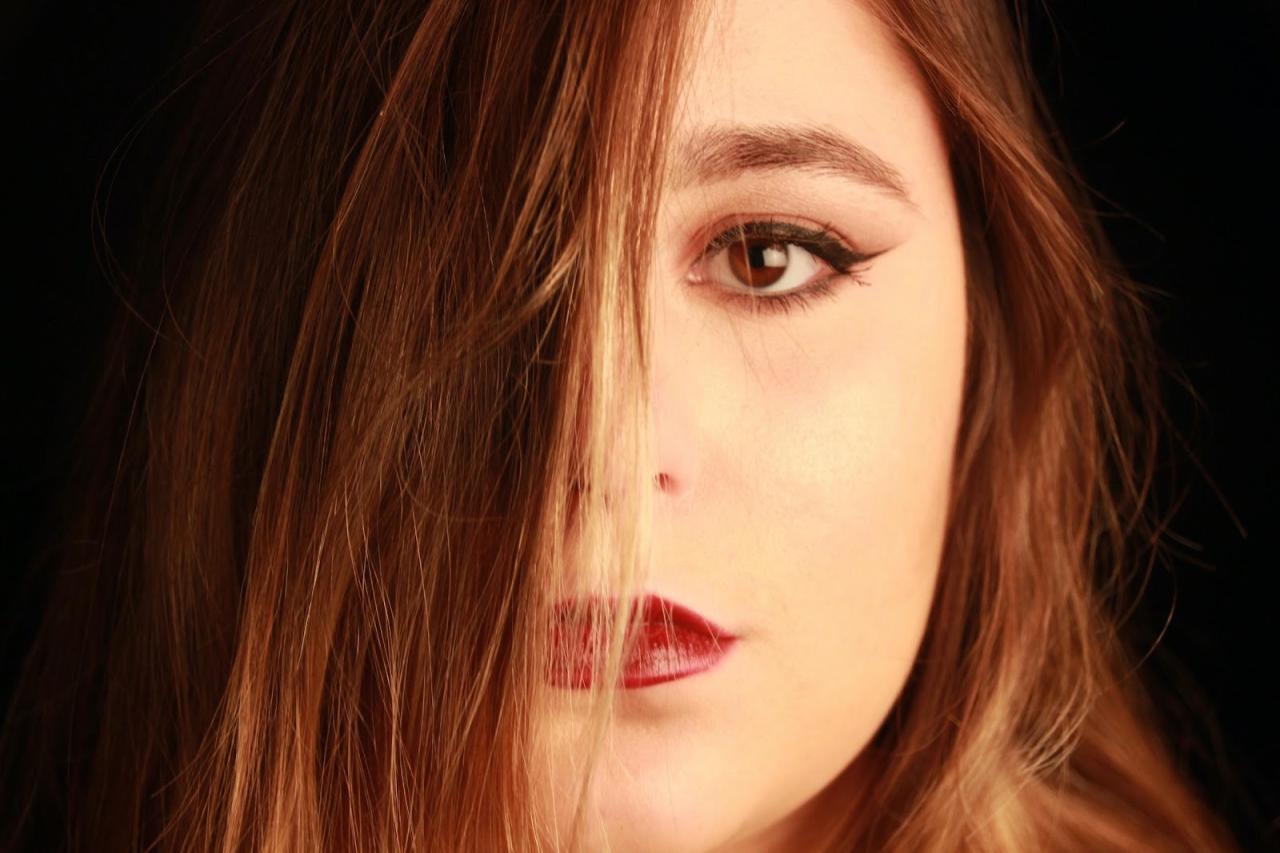
The practical application of dodge and burn techniques plays a pivotal role in enhancing both portraits and landscapes in photography. Understanding these applications allows photographers to manipulate light and shadow intentionally, thereby adding depth and dimension to their images. By mastering these techniques, photographers can elevate their work, capturing the viewer’s attention and creating impactful visuals.
Step-by-Step Procedures for Applying Dodge and Burn to Enhance Portraits
Applying dodge and burn to portraits involves a methodical approach to achieve the desired enhancement. The following steps Artikel the process:
1. Select Your Tool
Open your image in an editing software like Adobe Photoshop. Choose the Dodge and Burn tools from the toolbar.
2. Create a New Layer
To maintain the integrity of the original image, create a new layer by clicking on “New Layer” and set it to “Soft Light” blending mode. This allows for non-destructive editing.
3. Adjust Tool Settings
Set the exposure for both tools to a low percentage (around 10-20%) for subtle adjustments. This will help in building up the effect gradually.
4. Dodge the Highlights
Select the Dodge tool and begin applying it to areas you wish to lighten, such as the subject’s cheekbones, forehead, and any other prominent features. Be mindful of natural light sources to maintain realism.
5. Burn the Shadows
Switch to the Burn tool and target areas you want to darken, such as the sides of the face or under the chin. This creates a shadow effect that adds depth.
6. Review and Refine
Zoom out to see the overall effect of your adjustments. If necessary, continue to tweak the areas until the portrait appears balanced and visually compelling.
7. Final Touches
Once satisfied, merge the layers and save your work in the desired format. This preserves your enhancements without losing the qualities of the original image.
Examples Demonstrating the Impact of Dodge and Burn on Landscape Photography
In landscape photography, dodge and burn techniques can dramatically alter the perception of depth and texture within a scene. Here are notable examples that showcase this impact:
Example 1
A photograph of a sunset over a mountain range can be enhanced by dodging the highlights on the peaks to mimic the glowing effect of the setting sun. This approach draws the viewer’s eye to the mountains, enhancing their prominence against the sky.
Example 2
In a forest scene, burning the shadows within the foliage can create a more immersive atmosphere. By darkening specific areas, the natural contrast becomes more pronounced, leading to a rich, vibrant depiction of the landscape.
Example 3
Waterfalls can be effectively enhanced by dodging the water’s surface to create a shimmering effect, while also burning the surrounding rocks to provide a stark contrast. This technique emphasizes the movement of water against the solid landscape.
Techniques for Balancing Highlights and Shadows Using Dodge and Burn
Balancing highlights and shadows is crucial in achieving a harmonious and dynamic image. Here are several techniques to effectively utilize dodge and burn for balance:
Evaluate the Image
Begin by assessing the initial contrast levels in your photograph. Identify areas where highlights may be too pronounced or shadows too overwhelming.
Subtle Adjustments
Use the dodge tool on highlights that lack detail. Focus on small areas before moving to larger sections to maintain control over the overall image appearance.
Layering Technique
Apply dodge and burn in layers. Start with a low opacity and gradually build up the effect to achieve a natural look. This method helps in avoiding harsh transitions between light and shadow.
Focus on Key Features
Emphasize the focal points of the image by dodging and burning around them. This creates a natural vignette effect, drawing the viewer’s attention to the most important elements of the photograph.
Final Assessment
After making adjustments, consider viewing your image in black and white to better analyze the balance between highlights and shadows. This method exposes any areas that may require additional attention.By implementing these procedures and techniques, photographers can effectively harness the power of dodge and burn to create stunning portraits and landscapes that resonate with depth and emotion.
Advanced Dodge and Burn Techniques
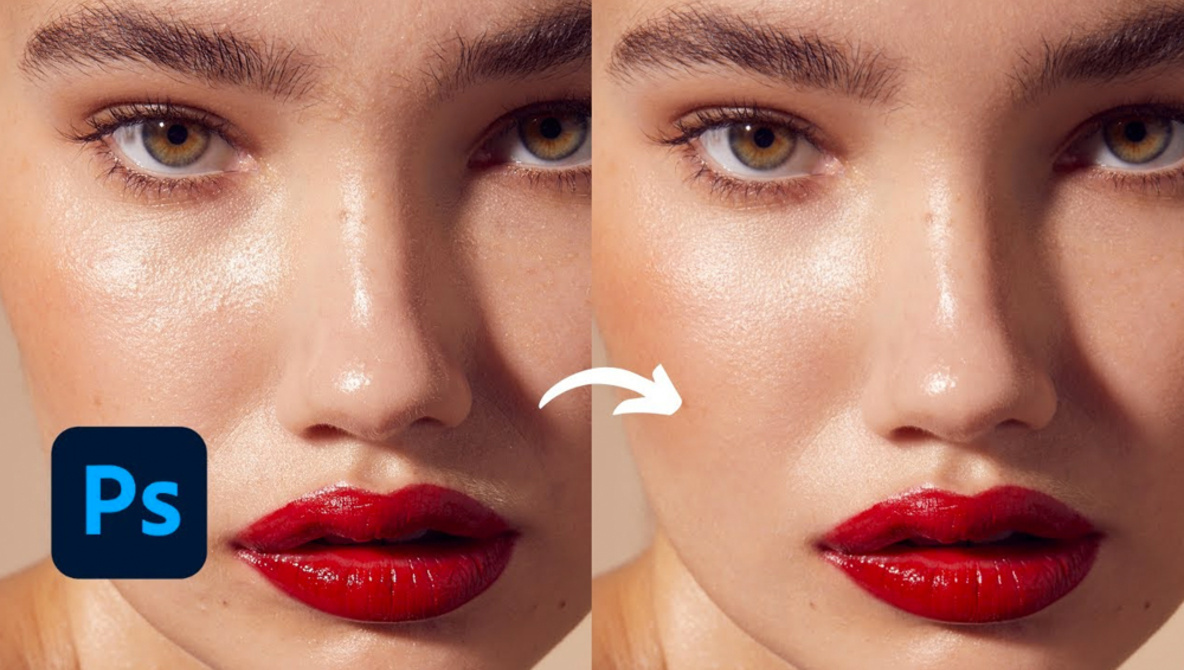
Advanced dodge and burn techniques enhance the intricacies of photographic editing by allowing for precise manipulations that elevate the visual quality of images. Mastering these methods can significantly impact the depth and character of various photographic genres. By employing layers and masks, photographers can achieve greater control over lighting and contrast, enabling them to create striking visuals that engage the viewer.
Use of Layers and Masks in Advanced Dodge and Burn Applications
In advanced dodge and burn applications, the use of layers and masks is crucial for achieving a refined and professional finish. This approach allows for non-destructive editing, meaning that adjustments can be made without permanently altering the original image. The process typically involves the following steps:
1. Create a New Layer
Start by creating a new layer for dodging and burning. This keeps the adjustments separate from the base image.
2. Set Layer to Soft Light or Overlay
Change the layer’s blending mode to ‘Soft Light’ or ‘Overlay.’ This blending mode enhances the contrast by affecting how the light interacts with the underlying layers.
3. Use Masks for Precision
Masks can be applied to selectively dodge (lighten) or burn (darken) specific areas. By painting with a soft brush on the mask, you can control which areas are affected, allowing for detailed adjustments without impacting the entire image.The versatility of layers and masks facilitates complex edits. For instance, you can dodge and burn different areas with varying opacities, thus achieving nuanced effects that enhance textures and depth in the final image.
Creative Possibilities Using Dodge and Burn in Black and White Photography
In black and white photography, dodge and burn techniques play a vital role in shaping the emotional tone and visual impact of an image. The absence of color places a greater emphasis on contrast, shadows, and highlights. When applied thoughtfully, dodge and burn can create a dramatic interplay of light and shadow that transforms an ordinary photograph into a striking work of art.
For example:
Enhancing Textures
By selectively dodging highlights and burning shadows, photographers can accentuate textures, making elements like skin, fabric, and landscapes more tactile and engaging.
Creating Depth
Strategic dodging and burning can lead to a three-dimensional effect, drawing the viewer’s eye into the image. This is particularly effective in portraits, where the subject’s features can be highlighted to create a more compelling focal point.
Setting Mood
The contrast created through dodge and burn helps convey emotions. High contrast can evoke tension or drama, while softer adjustments can create a serene feel.The creative possibilities in black and white photography are vast, and the skillful application of dodge and burn is essential in realizing the full potential of monochrome imagery.
Effects of Dodge and Burn Across Different Genres of Photography
Dodge and burn techniques yield varying effects depending on the genre of photography. Each genre benefits uniquely from these techniques, enhancing its distinct characteristics.
Fashion Photography
In fashion photography, dodge and burn are employed to accentuate the model’s features and the textures of clothing. This can create a more glamorous look, highlighting the interplay of light on skin and fabric. For instance, softening shadows on the face can create a more appealing, ethereal quality.
Wildlife Photography
In wildlife photography, these techniques are crucial for emphasizing the subtle details of animals in their habitats. By burning the background, the subject can be made to pop against a darker backdrop, drawing attention to intricate patterns in fur or feathers. This method helps in capturing the essence of the moment, enhancing the viewer’s connection to the subject.
Architectural Photography
For architectural subjects, dodge and burn can be used to emphasize lines and shapes within a structure. Highlighting certain architectural details while darkening less significant areas creates a sense of depth and scale. This technique is particularly effective in monochrome images, where contrast can dramatically influence the perception of space and form.Overall, understanding the nuanced application of dodge and burn across these genres allows photographers to tailor their approach, thereby maximizing the visual impact of their work.
Common Mistakes and How to Avoid Them

In the world of photography, dodge and burn techniques have the potential to significantly enhance an image’s depth and detail. However, photographers often fall prey to common pitfalls that can detract from the overall quality of their work. Recognizing these mistakes and learning how to avoid them is essential for achieving a polished, professional look in your final images.One prevalent mistake when using dodge and burn is over-dodging or over-burning, which can lead to unnatural highlights and shadows.
This typically occurs when photographers are too aggressive in their adjustments, resulting in an image that can appear overly processed or unrealistic. Maintaining a natural look is crucial for the authenticity of the photograph.
Over-Dodging Effects
Over-dodging refers to excessively lightening areas of an image, which can wash out detail and create an uneven luminosity. To prevent this effect, consider the following strategies:
- Use low opacity settings when applying dodge. This allows for gradual adjustments, helping to preserve the original texture and detail of the image.
- Work in layers. By using separate layers for dodging, you can easily adjust or mask areas that appear too bright without compromising the entire image.
- Periodically check your work by toggling the visibility of the dodge layer on and off. This gives you a clear comparison to the original image and helps you identify any overexposed areas.
Over-Burning Effects
Over-burning involves excessively darkening parts of an image, which can result in loss of detail in shadows and an overall muddy appearance. To avoid these issues, follow these best practices:
- Employ subtle adjustments. Just as with dodging, applying burning in small increments prevents the image from becoming overly dark.
- Utilize masks to selectively apply burn effects only where necessary. This approach allows you to retain detail in areas that should remain vibrant.
- Regularly assess the changes by comparing the adjusted image with the original. This practice helps to ensure that the image retains its desired dynamic range.
Best Practices for a Natural Look
Maintaining a natural appearance in your images after employing dodge and burn techniques is vital for professional-quality photography. Implement these best practices to achieve an authentic effect:
- Always zoom out to view the image as a whole. This helps in evaluating how the adjustments impact the overall composition and ensures that no single area draws too much attention.
- Limit the use of dodge and burn to areas that truly need enhancement, focusing on features like facial highlights or texture in landscapes, rather than applying it uniformly across the image.
- Consider using a soft brush for dodging and burning. A softer brush helps to create smoother transitions and avoids harsh lines which can make adjustments stand out unnaturally.
“Subtlety is key in dodge and burn; less is often more when striving for a natural look.”
Case Studies and Examples
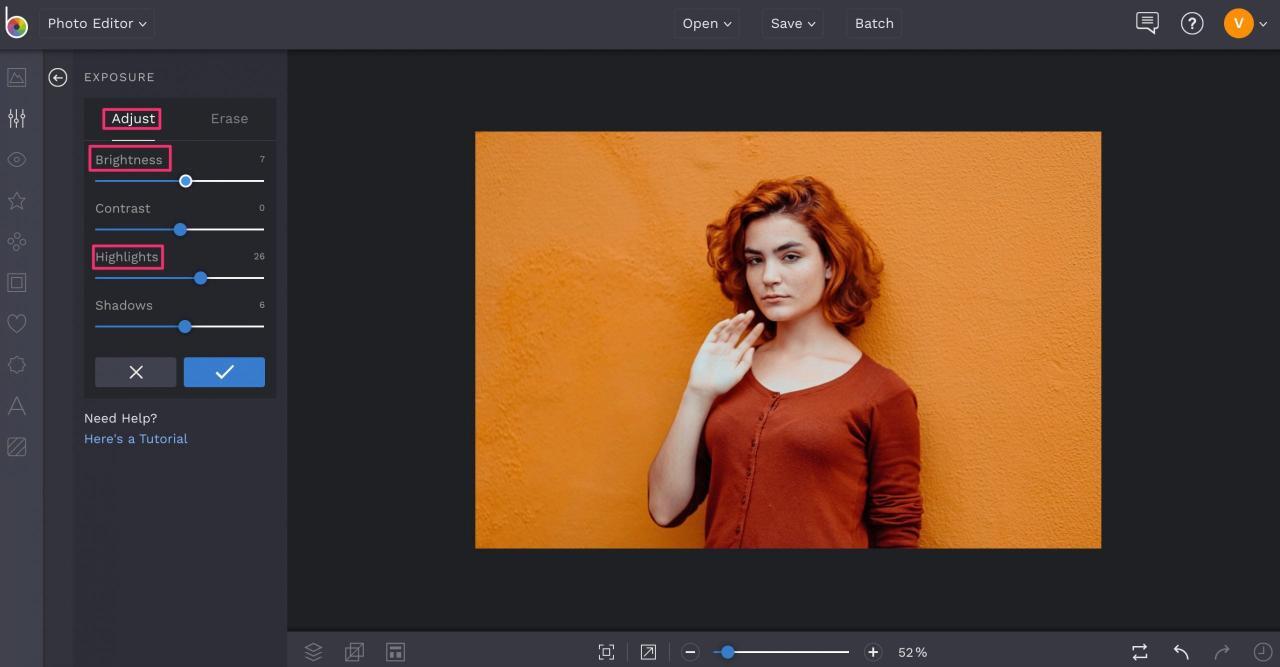
In the realm of photography, the dodge and burn technique serves as a powerful tool for enhancing images. By manipulating light and shadow, photographers can guide the viewer’s eye and evoke specific emotions. This section presents a range of case studies that illustrate the effectiveness of these techniques, showcasing before and after images, contrasting different photographers’ styles, and exploring specific projects where dodge and burn significantly improved visual impact.
Before and After Examples
The effectiveness of the dodge and burn technique is best demonstrated through visual comparisons. Here, we present a couple of notable examples that capture this transformative power.
1. Portrait Photography
A portrait originally captured in flat light exhibited minimal contrast. After applying dodge and burn techniques, the final image showcased enhanced facial features with pronounced cheekbones and a captivating catchlight in the eyes, dramatically altering the viewer’s perception and engagement with the subject.
2. Landscape Photography
A landscape shot taken during the golden hour appeared dull and lacking depth. Through selective dodging of highlights in the sky and burning darker areas in the foreground, the edited image transformed into a vibrant scene with a dynamic range of colors, inviting the viewer to immerse themselves in the landscape.
Comparison of Photographers’ Styles
Examining the diverse approaches to dodge and burn among various photographers reveals different artistic interpretations and applications of this technique. The following table Artikels how distinct photographers utilize dodge and burn, showcasing their unique styles.
| Photographer | Style Description | Notable Work |
|---|---|---|
| Ansel Adams | Master of tonal range; utilized dodge and burn to enhance the depth of his black and white landscapes. | “Moonrise, Hernandez, New Mexico” |
| Gregory Crewdson | Employs dodge and burn for cinematic effect, creating surreal and dramatic lighting in his staged scenes. | “Beneath the Roses” |
| Richard Avedon | Focused on the subject’s features in portraiture, utilizing dodge and burn to accentuate expressions and textures. | “Dovima with Elephants” |
Case Studies of Enhanced Visual Impact
Several case studies highlight the significant improvements achieved through the dodge and burn technique, illustrating how it can elevate an entire project.
1. Fashion Editorials
In a fashion shoot for a prominent magazine, the initial edits of the images lacked the desired elegance and allure. After implementing subtle dodge and burn techniques, key areas such as the model’s attire and accessories were accentuated, enhancing texture and depth, leading to a striking final publication that captivated the audience.
2. Architectural Photography
A series of photographs capturing modern architecture appeared flat and uninviting. By strategically dodging highlights on the building’s glass surfaces and burning the shadows of surrounding structures, the final images effectively conveyed the architectural details and grandeur, ultimately winning a prestigious award for the photographer.
3. Product Photography
An e-commerce product image lacked visual appeal due to harsh lighting and unflattering shadows. By employing dodge and burn, the photographer was able to refine the product’s contours and create a sense of dimension, resulting in a more appealing image that increased online sales.
Through these case studies and comparisons, it is evident that dodge and burn techniques are invaluable for photographers seeking to enhance their visual storytelling and create impactful imagery.
Impact of Dodge and Burn on Viewer Perception
The techniques of dodge and burn have a profound effect on how viewers perceive images. By manipulating light and shadow, photographers are not merely adjusting exposure levels; they are crafting emotional narratives that influence the viewer’s response. Understanding the impact of these adjustments is essential for photographers wishing to enhance the storytelling potential of their work.The emotional response elicited from images can be significantly altered through the thoughtful application of dodge and burn techniques.
By increasing contrast and controlling light, photographers draw attention to specific elements within an image, guiding the viewer’s focus and shaping their emotional journey. For instance, highlights can evoke feelings of warmth and positivity, while shadows can introduce a sense of mystery or melancholy.
Role of Contrast in Storytelling
Contrast, created through dodge and burn, plays a critical role in visual storytelling. It helps establish mood, directs the viewer’s gaze, and conveys narrative tension. The following points elucidate how contrast influences viewer perception and narrative depth:
- Emphasizing Key Subjects: By brightening the focal points in a composition, photographers can direct the viewer’s attention to the most important elements of the story, enhancing emotional engagement.
- Creating Depth and Dimension: Shadows can be used to add depth to the scene, making it feel more three-dimensional and lifelike, which can evoke stronger emotional responses.
- Setting the Mood: Darkening certain areas can create a somber or intense atmosphere, while lighter areas can suggest hope or tranquility, effectively shaping the viewer’s emotional experience.
The following scenarios illustrate how dodge and burn can enhance narrative elements in photography, drawing the viewer deeper into the story being told:
- In a portrait photograph, increasing the brightness of a subject’s eyes while subtly darkening the background can create an intimate connection, compelling the viewer to engage with the subject’s emotions more profoundly. This technique can evoke feelings of empathy and curiosity.
- In landscape photography, a dramatic sunset can be accentuated by highlighting glowing clouds through dodging while deepening shadow areas in the foreground. This contrast can evoke feelings of awe and wonder, leading viewers to reflect on the beauty and transience of nature.
- In documentary photography, increasing contrast in images depicting conflict can enhance the gravity of the situation. By drawing attention to the subjects’ expressions and the environment’s harshness, the photographer can invoke a sense of urgency and highlight critical social issues.
Through these examples, it is clear that dodge and burn techniques are not merely technical adjustments but powerful tools that shape viewer perception, influencing both the emotional resonance of the image and the narrative conveyed.
Wrap-Up
In conclusion, mastering dodge and burn techniques can significantly enhance the impact of your photography, allowing for a more profound connection with your audience. By applying the principles discussed and avoiding common mistakes, photographers can achieve striking images that resonate emotionally. As you continue to explore these techniques, may your creative journey be filled with discovery and inspiration, leading to captivating visual narratives that leave a lasting impression.