How to Add a Watermark to Your Photos sets the stage for this enthralling narrative, offering readers a glimpse into a story that is rich in detail and brimming with originality from the outset.
The process of watermarking photos serves not only as a safeguard for artists and photographers against unauthorized use but also enhances brand recognition. By combining various types of watermarks, including text and logos, creators can ensure their work stands out in an increasingly digital marketplace. This guide will lead you through essential tools, step-by-step methods, and best practices to effectively incorporate watermarks into your photographic creations.
Introduction to Watermarking

Adding a watermark to photographs serves as a crucial method for protecting creative works in the digital age. Photographers, artists, and content creators often face the risk of having their images used without permission or credit. A watermark acts as a deterrent to unauthorized use while also providing a means to assert ownership over one’s artistic creations.The benefits of watermarking extend beyond mere protection.
For photographers and artists, watermarks can enhance brand recognition and professionalism. When consistently applied, a watermark can become an integral part of an artist’s identity, allowing them to cultivate a recognizable visual presence. Additionally, they can help drive traffic to a creator’s website or portfolio by featuring the necessary information within the watermark itself.
Types of Watermarks
There are several types of watermarks that can be utilized to protect digital images. Each type serves different purposes and can be tailored to suit the needs of the creator:
- Text Watermarks: These are often simple text overlays that can include the artist’s name, website, or a copyright statement. Text watermarks are straightforward and can be adjusted in size, font, and color to maintain readability while blending with the image.
- Logo Watermarks: A logo watermark incorporates an artist’s or brand’s logo into the image. This type of watermark not only protects the image but also reinforces brand identity, making it easily recognizable to viewers.
- Transparent Watermarks: Often created with semi-transparent designs, these watermarks allow the underlying image to be visible while still establishing ownership. This technique balances protection with aesthetic value, ensuring that the visual appeal of the photograph is not compromised.
- Patterned Watermarks: Some artists opt for patterned watermarks that cover a larger area of the image. This method can be effective in deterring unauthorized usage but may distract from the photo itself if not executed properly.
Utilizing a watermark can significantly reduce the likelihood of unauthorized image use, ensuring that the creator’s work remains protected.
Tools and Software for Watermarking

Watermarking is an essential practice for photographers and graphic designers seeking to protect their intellectual property. To effectively integrate watermarks into your images, you need the right tools and software. There are various options available, each catering to different needs and levels of expertise. This section will Artikel popular software choices for watermarking, explore features of online tools, and compare functionalities of desktop and mobile applications.
Popular Software Options for Adding Watermarks
Several software applications are widely recognized for their effectiveness in watermarking photos. These tools provide various functionalities that can enhance your workflow and ensure the security of your images.
- Adobe Photoshop: A powerful image editing software that allows users to create custom watermarks with text and graphics. It offers extensive features such as layers, transparency adjustments, and batch processing for multiple images at once.
- GIMP: A free, open-source alternative to Photoshop, GIMP provides similar capabilities for watermarking. Users can create personalized watermarks and apply them across various images with simple steps.
- Watermarkly: This is a user-friendly online tool designed specifically for adding watermarks. It supports batch processing and enables users to upload images directly from their devices or cloud storage.
- uMark: A dedicated watermarking application that allows users to add text or image watermarks. It features batch processing, making it suitable for photographers who need to watermark large quantities of images.
Features of Online Tools for Watermarking
Online watermarking tools have gained popularity due to their ease of use and accessibility. They offer various features that streamline the watermarking process without the need for extensive software installation.
- Accessibility: Online tools can be accessed from any device with an internet connection, making them convenient for users who may not have access to powerful desktop applications.
- Batch Processing: Many online watermarking tools support batch processing, allowing users to watermark multiple images simultaneously, saving significant time.
- Customization Options: Users can often customize their watermarks with different fonts, colors, and sizes, providing creative freedom while maintaining brand identity.
- Storage Integration: Some online tools allow direct integration with cloud storage services, enabling users to import and export images easily.
Functionalities of Desktop vs. Mobile Applications for Watermarking
When choosing watermarking software, it is important to consider whether a desktop or mobile application best suits your needs. Each platform has its unique strengths that cater to different workflows.
- Desktop Applications: Generally offer more robust features and processing power. They are ideal for professional photographers who require intricate editing capabilities and the ability to manage large files.
- Mobile Applications: Provide convenience and accessibility, allowing users to watermark images on the go. However, they may have limited features compared to their desktop counterparts.
- Offline Capability: Desktop applications often function without internet access, while mobile applications typically require an internet connection for full functionality.
- Ease of Use: Mobile applications tend to have more intuitive interfaces designed for quick edits, making them suitable for casual users or those needing quick solutions.
Step-by-Step Guide to Adding a Watermark
Adding a watermark to your photos is a crucial step in protecting your intellectual property and ensuring that your work is attributed to you. This section will provide a comprehensive guide on how to add watermarks using three popular tools: Adobe Photoshop, GIMP, and Canva. Each method offers unique features that cater to different user preferences and skill levels, ensuring that everyone can find an approach that suits their needs.
Adding a Watermark Using Adobe Photoshop
Photoshop is one of the most powerful image editing tools available, making it an excellent choice for creating and adding watermarks. The following steps Artikel how to efficiently add a watermark in Photoshop:
- Open Adobe Photoshop and load the image to which you want to add a watermark.
- Select the “Text Tool” (T) from the toolbar to create a text watermark. Click on the image where you want to place your watermark and type your text, such as your name or business name.
- Customize the font, size, and color of your text using the options bar at the top. For a subtle watermark, a lighter color and a smaller font size may be preferable.
- Adjust the opacity of the text layer to make the watermark less intrusive. This can be done by selecting the layer in the Layers panel and adjusting the ‘Opacity’ slider.
- Position the watermark to your desired location on the image. You can use the Move Tool (V) to drag it to the right spot.
- Once satisfied with your watermark, save the image by going to “File” > “Save As” and choose the appropriate file format, such as JPEG or PNG.
Adding a Watermark Using GIMP
GIMP is a free and open-source image editor that offers a solid alternative for adding watermarks. Follow these steps for watermarking your photos in GIMP:
- Launch GIMP and open the photograph you wish to watermark.
- To create a text watermark, select the “Text Tool” from the toolbox and click on the image to enter your text.
- Adjust the font, size, and color of your watermark in the “Tool Options” below the toolbox. Choose a color that contrasts well with the background for visibility.
- After entering your text, use the “Move Tool” to place the watermark in your desired location.
- To make the watermark less obtrusive, reduce the layer’s opacity by selecting the text layer in the Layers dialog and adjusting the ‘Opacity’ slider.
- Save your edited photo by navigating to “File” > “Export As”, and choose a suitable file format.
Watermarking Photos in Canva
Canva is a user-friendly, web-based design tool that allows you to add watermarks easily. Here is a step-by-step guide to watermark your images in Canva:
- Sign in to your Canva account and create a new design or open an existing one containing the image you want to watermark.
- To add text, click on the “Text” option from the left sidebar and select “Add a text box”. Type your watermark text into the text box that appears on your image.
- Customize the font style, size, and color using the text editing options that appear in the toolbar above the design area. A semi-transparent or lighter color often works well for watermarks.
- Position the watermark by clicking and dragging it to your desired location on the image.
- To reduce the visibility of your watermark, click on the text box, then select the transparency option in the top right corner of the toolbar. Adjust the slider until you achieve the desired effect.
- Once you are happy with the watermark, download your image by clicking on the “Download” button in the top right corner, selecting your file type, and clicking “Download”.
Best Practices for Creating Watermarks

Creating an effective watermark is crucial for protecting your images while maintaining aesthetic appeal. The design, size, and placement of your watermark can significantly influence how it is perceived, ensuring it serves its purpose without detracting from the image itself. By adhering to established design principles and techniques, you can create watermarks that are both functional and visually pleasing.
Design Principles for Effective Watermark Creation
When designing a watermark, it is essential to consider various design principles that enhance its effectiveness. A watermark should be recognizable yet subtle, ensuring it does not overpower the image. Key principles to keep in mind include:
- Simplicity: A simple design ensures that your watermark is easily recognizable and does not distract from the main subject of the photo.
- Readability: Choose fonts that are legible and clear, even at smaller sizes. Avoid overly decorative fonts that may be difficult to read.
- Consistency: Use the same watermark across your portfolio for brand consistency. This helps in establishing your identity as a photographer.
- Color Harmony: Select colors that complement your image rather than clash with it. Often, a monochromatic palette works best.
Opacity and Sizing for Watermarks
Determining the right opacity and size for your watermark is vital for ensuring it is visible yet unobtrusive. A well-balanced watermark enhances image protection without taking away from the visual appeal. To achieve this balance, consider the following guidelines:
- Opacity: An opacity level between 30% to 70% is typically ideal. This range allows for visibility while ensuring that the watermark does not dominate the image.
- Size: The watermark should be proportional to the image. Generally, it should occupy around 5% to 10% of the image width, depending on the overall size of the photo.
“The goal of a watermark is to protect your work while allowing your creativity to shine through.”
Strategic Placement of Watermarks
The placement of a watermark can significantly affect its visibility and the overall composition of the photo. A well-placed watermark enhances protection without disrupting the viewer’s experience. Here are tips for strategic placement:
- Corner Placement: Placing the watermark in one of the corners is a common strategy that keeps the main subject of the image unobstructed.
- Center Overlay: For images with a lot of negative space or less detail, a centered watermark can be effective, provided it is subtle and semi-transparent.
- Diagonal Placement: For added creativity, a diagonal placement across the photo can draw attention to the watermark while still being visually appealing.
- Repetition: In some cases, repeating the watermark in a grid pattern across the image can deter unauthorized use, especially in low-resolution displays.
Automating Watermark Addition
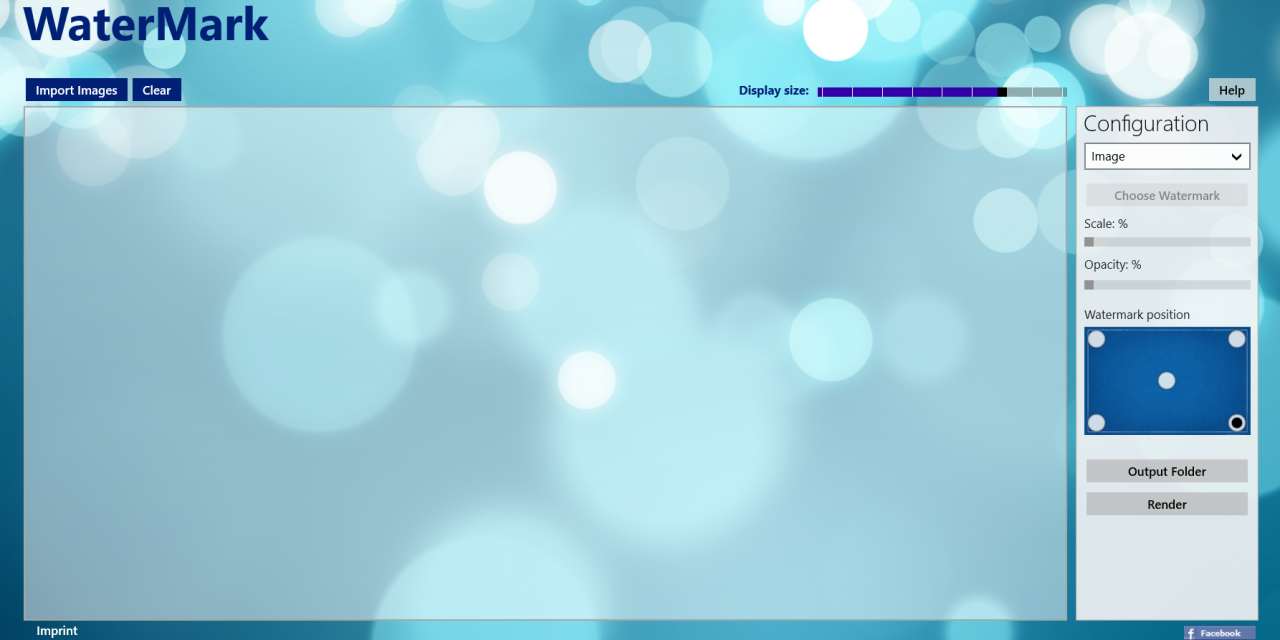
Automating the process of adding watermarks to images is a significant time-saver for photographers and graphic designers. By utilizing batch processing techniques, individuals can efficiently apply watermarks to multiple images simultaneously, ensuring consistency across their work. This section delves into various methods for automating watermark addition, including the creation of scripts and the use of plugins for popular software.
Batch Watermarking Techniques
Batch watermarking enables users to apply the same watermark to numerous images, streamlining workflow processes. This method is essential for professionals dealing with large volumes of images, such as in e-commerce or stock photography. Various software solutions offer built-in batch processing capabilities, allowing users to customize watermarks effectively.
- Adobe Photoshop: Utilize the ‘Actions’ feature to record a series of steps that include applying a watermark. Once recorded, this action can be applied to a folder of images using the ‘Batch’ processing option.
- GIMP: Users can create a script using the built-in Script-Fu or Python-Fu features to automate the watermarking process. This provides flexibility to customize the watermark’s appearance and placement.
- ImageMagick: A command-line tool that allows users to batch process images efficiently. A simple command can be configured to add watermarks across multiple files in one go.
Creating Scripts for Automation
Writing scripts can significantly enhance the automation capabilities of watermarking by allowing users to specify unique parameters and conditions. Depending on the chosen software, the scripting language will vary, but the basic principles remain the same. Automation through scripting not only saves time but also minimizes the potential for human error.
“Automation through scripting enables precise control over the watermarking process.”
- Adobe Photoshop (JavaScript): Scripts can be created to open images, apply a watermark, and save them in a specified format. The Photoshop scripting guide provides comprehensive examples.
- GIMP (Python): Python scripts can be employed to loop through image files in a directory, apply a watermark, and save them with a new filename to avoid overwriting.
- Bash Scripting (Linux): For users comfortable with command-line interfaces, Bash scripts can leverage tools like ImageMagick for bulk watermarking, making it easy to integrate into existing workflows.
Using Plugins or Extensions for Automatic Watermarking
Many popular software applications offer plugins or extensions designed specifically for watermarking. These tools often come with user-friendly interfaces and additional features that enhance functionality.
- Photoshop Plugins: Numerous third-party plugins are available that allow for advanced watermarking options, including customizable styles, placement, and transparency settings.
- WordPress Plugins: For photographers sharing their work online, plugins like ‘Easy Watermark’ or ‘Watermark WP Image Protect’ can automatically apply watermarks to images uploaded to a WordPress site.
- Bulk Image Watermark: A dedicated application that provides batch watermarking capabilities, allowing users to set up watermarks once and apply them to numerous images easily.
Legal Considerations of Watermarking
Watermarking serves as a practical tool for copyright protection, ensuring that the creator’s rights are preserved. However, understanding the legal landscape surrounding watermarking is essential for photographers and artists alike. This section Artikels various legal considerations, including relevant copyright laws, the importance of registering copyright for watermarked images, and how watermarks can safeguard intellectual property rights.
Copyright Laws Relevant to Watermarking Images
Copyright laws vary by country but fundamentally protect original works of authorship, which include photographs and graphic designs. In many jurisdictions, a creator possesses automatic copyright over their work as soon as it is fixed in a tangible medium. Watermarking enhances this protection by publicly asserting ownership. It is crucial to be aware of the specific copyright laws in your region.
For instance, in the United States, the Copyright Act of 1976 asserts that the creator has exclusive rights to reproduce, distribute, and display their work. Similarly, the Berne Convention, an international agreement, enforces the idea that copyright protection does not require formal registration but emphasizes the creator’s ownership. The inclusion of a watermark can deter unauthorized use and provide evidence of ownership in cases of infringement.
Additionally, utilizing a watermark can strengthen legal claims in disputes regarding ownership and fair use.
Importance of Registering Copyright for Watermarked Images
While a watermark provides immediate visual evidence of ownership, registering copyright offers additional legal benefits that can be invaluable. Registration creates a public record, which can help establish the creator’s rights and serves as a deterrent against potential infringers. Some key advantages of registering copyright include:
- Legal Presumption: Registration provides a legal presumption of ownership, making it easier to enforce rights in court.
- Eligibility for Statutory Damages: Registered works may qualify for statutory damages and attorney fees in cases of infringement, which can significantly increase the potential recovery in a legal dispute.
- Clear Documentation: Registration offers clear documentation of the creation date and ownership, which can be crucial in legal proceedings.
In summary, registering copyright for watermarked images not only strengthens the protection strategy but also enhances legal standing in case of disputes.
Watermarks and Intellectual Property Rights Protection
Watermarks play a significant role in protecting intellectual property rights by serving as a visible deterrent against unauthorized use. By incorporating a watermark, creators communicate their ownership and intent to guard their work, which can discourage potential infringement. The effectiveness of a watermark in safeguarding intellectual property can be demonstrated through the following aspects:
- Visibility: A well-designed watermark is easily recognizable and helps establish brand identity, making it difficult for others to misuse the image without proper attribution.
- Deterrent Effect: The presence of a watermark can discourage unauthorized reproduction, as it signifies ownership and potential legal consequences for infringement.
- Evidence of Originality: Watermarks can help prove originality, particularly in legal situations where proving the ownership of a work is contested.
It is essential for creators to understand how to effectively use watermarks in conjunction with copyright laws and registration to ensure comprehensive protection of their intellectual property rights.
Case Studies
The effective use of watermarks is a prevalent strategy among photographers and brands to protect their intellectual property and promote their business. This section explores successful examples of photographers and brands that have effectively utilized watermarks in their work, showcasing their strategies and outcomes.
Examples of Photographers Successfully Using Watermarks
Several photographers have leveraged watermarks to safeguard their images while enhancing brand recognition. For instance, renowned wildlife photographer Art Wolfe employs a distinct watermark that includes his logo and website URL. This approach not only deters unauthorized use but also drives traffic to his website, where potential clients can explore his portfolio and book services.Another notable example is wedding photographer Jasmine Star, who integrates her watermark seamlessly into her photography.
Her elegant branding reinforces her identity and ensures that her images remain recognizable across social media platforms, where they often gain significant traction. The balanced placement of her watermark maintains the aesthetic quality of her photographs while ensuring that her branding is front and center.
Brands Effectively Incorporating Watermarks in Marketing
Several brands have adopted watermarks as part of their marketing strategy. A prime example is the sportswear company Nike, which frequently uses a subtle watermark of its logo on promotional images. This watermark reinforces brand identity and maintains consistency across various marketing channels, ensuring that consumers instantly recognize the brand.Similarly, Adobe implements a watermark on all promotional images for its software, such as Adobe Photoshop.
This not only protects the intellectual property of the creators but also emphasizes the software’s capabilities by showcasing edited images. By including the watermark, Adobe reinforces its branding while simultaneously demonstrating the transformative power of its tools.
Comparison of Watermarking Strategies Used by Artists
Artists utilize various watermarking strategies to protect their work while promoting their brand. The choice of strategy often depends on the medium of expression, target audience, and personal branding style. Below is a comparison of different watermarking approaches:
- Logo Watermarks: Many artists use their logos as watermarks, ensuring instant brand recognition. This method is commonly employed by graphic designers and digital artists who wish to establish a strong visual identity.
- Text Watermarks: Photographers like Annie Leibovitz often opt for text-based watermarks, incorporating their names or website addresses. This strategy is effective for driving traffic to their online presence while maintaining a professional appearance.
- Transparent Watermarks: Some artists choose transparent watermarks that blend subtly into their images. This approach allows for minimal distraction from the art itself while still providing protection. Many fine artists and illustrators adopt this technique.
The choice of watermarking strategy should reflect the artist’s brand identity and the nature of their work, ensuring both protection and promotion.
These case studies illustrate the importance of watermarks in protecting creative work while enhancing brand visibility. Each artist or brand adopts a strategy that aligns with their objectives, showcasing the versatility and significance of watermarking in today’s digital landscape.
Troubleshooting Common Issues

When adding watermarks to photos, various challenges may arise that can affect the overall quality and effectiveness of the watermark. Understanding these common issues and their solutions can enhance the watermarking process, ensuring that images maintain their visual appeal while protecting the creator’s rights. This section will discuss typical problems encountered during watermark application, tips for improving watermark visibility, and mistakes to avoid.
Challenges Faced When Adding Watermarks
Several obstacles may be encountered while applying watermarks to images. These challenges can stem from technical issues, design choices, or considerations related to the image itself. Addressing these problems effectively can significantly improve the watermarking process. Common issues include:
- Inconsistent Placement: Watermarks may appear in locations that do not suit the composition of the photo, making them less prominent.
- Loss of Image Quality: Overly intrusive watermarks can detract from the image quality, leading to pixelation or blurriness.
- Visibility Problems: Watermarks may be too faint or too bold, making them hard to see or overwhelming the image.
Improving Watermark Visibility Without Compromising Image Quality
To ensure a watermark is visible yet does not detract from the aesthetic of the photograph, it is essential to find a balance between opacity, size, and placement. The following tips can help optimize watermark visibility:
- Adjust Opacity: Use a lower opacity level (around 30-50%) to maintain visibility while blending the watermark into the image.
- Choose Contrasting Colors: Select colors for the watermark that contrast with the background, ensuring better visibility without overwhelming the image.
- Utilize Textures: Incorporate textures or patterns within the watermark, which can enhance visibility against complex backgrounds.
Common Mistakes to Avoid When Applying Watermarks
Making mistakes during the watermarking process can undermine its effectiveness. Here are some frequent errors to avoid:
- Overly Complex Designs: Complicated watermarks can confuse the viewer and detract from the image. Simplicity often works best.
- Poor Placement: Positioning the watermark in an area that conflicts with the subject of the photo can render it ineffective. Aim for strategic placement.
- Neglecting Size Considerations: A watermark that is either too large or too small can either dominate the image or go unnoticed. Aim for a well-proportioned size that complements the photo.
Outcome Summary
In conclusion, the art of watermarking your photos is a crucial step in protecting your creative output while simultaneously promoting your brand. By following the insights and practices Artikeld, you can elevate your images, ensuring that they remain attributed to you even when shared across various platforms. Remember that a well-implemented watermark not only guards your rights but also adds a professional touch to your work, making it instantly recognizable and memorable.