As How to Diffuse Light for Softer Images takes center stage, this opening passage beckons readers into a world crafted with expert knowledge, ensuring a reading experience that is both absorbing and distinctly original. Understanding light diffusion is essential for photographers seeking to enhance their images; it transforms the quality of light from harsh and unflattering to soft and inviting, thereby elevating the overall aesthetic of photographs.
This guide will delve into the concept of light diffusion, clarifying the differences between hard and soft light, as well as the physical properties that influence how light interacts with various materials. By exploring effective techniques, tools, and applications, photographers of all levels will discover how to achieve beautifully diffused images in their work.
Understanding Light Diffusion
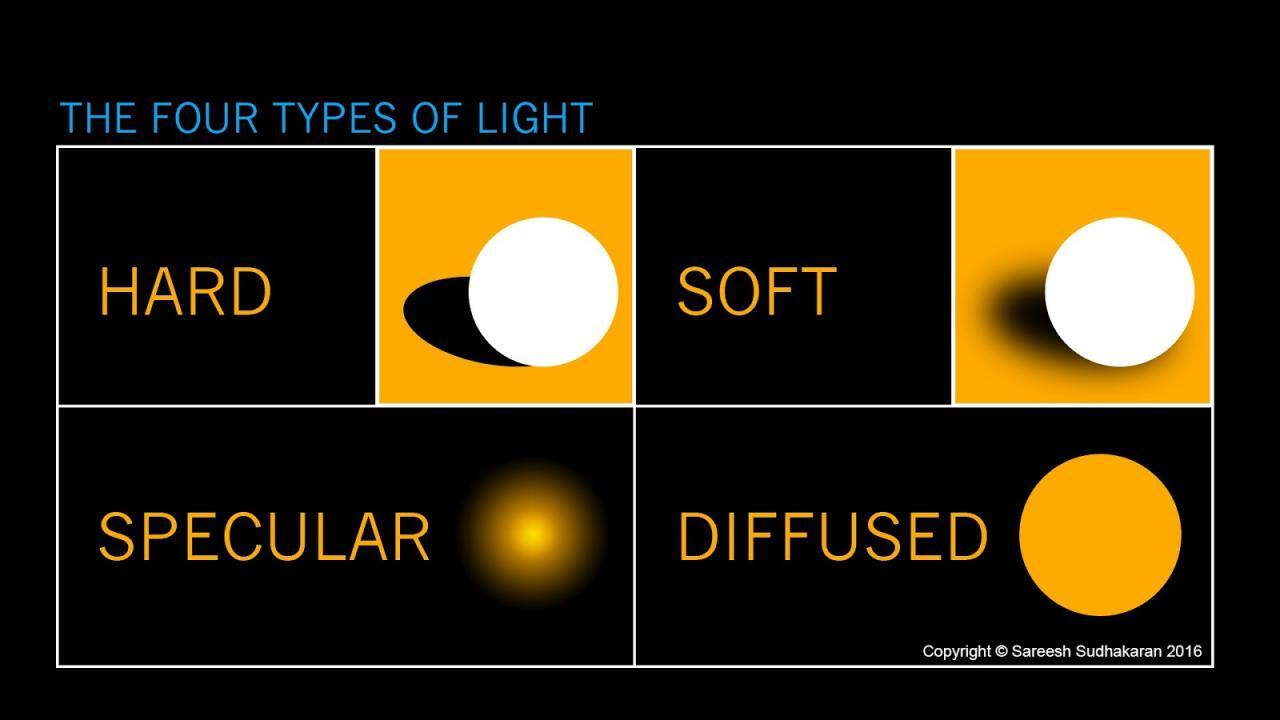
Light diffusion is a fundamental concept in photography that refers to the scattering of light rays as they pass through a medium or reflect off surfaces. This scattering effect softens the light, which can dramatically alter the mood and quality of an image. By understanding light diffusion, photographers can create images that possess a more appealing and flattering aesthetic, particularly in portrait and product photography.
The distinction between hard light and soft light plays a pivotal role in this discussion. Hard light produces sharp shadows and highlights, resulting in stark contrasts within an image. In contrast, soft light is characterized by gentle transitions between light and shadow, creating a more even illumination that enhances the subject’s features and reduces harsh lines. This softening effect is particularly advantageous for capturing portraits, as it helps to minimize blemishes and imperfections, resulting in a more ethereal and pleasing appearance for the subject.
Differences Between Hard Light and Soft Light
The differences between hard light and soft light can profoundly influence the outcome of a photograph. Understanding these differences is crucial for photographers aiming to achieve specific artistic effects or to convey particular emotions within their work. Below are the key characteristics and effects associated with each type of light:
- Hard Light:
Hard light is produced by a direct light source, such as the sun on a clear day or a bare bulb. It creates well-defined shadows and highlights. - Soft Light:
Soft light, on the other hand, is generated by indirect light sources or by diffusing a direct light source using materials such as softboxes or reflectors. This results in a smoother transition between light and shadow. - Shadow Quality:
Shadows cast by hard light are sharp and distinct, while soft light produces delicate, diffused shadows that are less pronounced. - Texture Emphasis:
Hard light can accentuate textures and details, whereas soft light tends to downplay textures, creating a smoother appearance.
Physical Properties of Light Affecting Diffusion
Several physical properties of light play a significant role in how it diffuses and interacts with various surfaces. Understanding these properties can aid photographers in manipulating light to achieve desired effects in their images. The following factors are essential in this context:
- Wavelength:
The wavelength of light affects how it interacts with materials. Longer wavelengths tend to scatter less than shorter wavelengths, influencing the quality of light diffusion. - Angle of Incidence:
The angle at which light strikes a surface can determine how much light is reflected, refracted, or absorbed, thus impacting the level of diffusion. - Surface Characteristics:
The texture and color of a surface also affect light diffusion. Rough surfaces tend to scatter light more than smooth surfaces, creating differing levels of softness. - Distance from Source:
The distance from the light source to the subject influences the intensity and quality of light. As light travels away from its source, it tends to soften and diffuse.
“The art of photography lies in the mastery of light diffusion, allowing creators to manipulate shadows and highlights to tell compelling visual stories.”
Techniques for Diffusing Light
The ability to diffuse light effectively is essential for achieving softer, more flattering images in photography and videography. Utilizing various materials and techniques can significantly enhance the quality of light, thus improving the overall aesthetic of your visuals. Understanding different diffusion methods allows you to select the most appropriate solution for your specific needs.
Common Materials for Diffusing Light
Numerous materials can be used to diffuse light, each with distinct benefits and drawbacks. It is crucial to choose the right medium based on your desired outcome and available resources. The following list Artikels common diffusion materials along with their respective pros and cons.
- Diffusion Fabrics: Fabrics such as silk or nylon are popular choices. They provide a soft, even light diffusion and are easily portable. However, they may require a frame for stability.
- Frosted Glass: This material offers a more permanent diffusion solution, ideal for studio environments. It effectively scatters light but has limited flexibility in terms of positioning.
- White Foam Boards: Lightweight and easy to use, foam boards can be placed at various angles to reflect and diffuse light. Their drawback is that they may not provide as soft a light as fabric options.
- Shower Curtains: An affordable and convenient option, translucent shower curtains can be used to diffuse light effectively. They may not block all harsh light, which can lead to some unwanted shadows.
- Translucent Tapestries: These can create a soft atmosphere when hung over windows or light sources. However, they might require proper framing or support to maintain the desired configuration.
Step-by-Step Guide for Using Diffusion Fabrics
Using diffusion fabrics involves a straightforward process that can adapt to various setups, whether for photography or video production. Here is a step-by-step guide to effectively employ diffusion fabrics.
- Select the Appropriate Fabric: Choose a diffusion fabric based on the intensity of the light and the level of diffusion desired.
- Set Up a Frame: If possible, use a frame to hold the fabric taut. This ensures even diffusion and reduces wrinkles.
- Position the Fabric: Place the fabric between the light source and the subject. Adjust the distance to achieve the preferred softness of light.
- Test and Adjust: Take test shots or video clips to evaluate the quality of light. Adjust the distance or angle of the fabric as necessary.
- Secure the Setup: Once satisfied with the diffusion, secure the fabric in place to prevent any movement during your shoot.
Methods of Diffusing Light Using Household Items
Household items can serve as effective tools for diffusing light, allowing for creative solutions without the need for professional equipment. The following methods showcase how common items can improve lighting quality in a simple yet efficient manner.
- Curtains: Sheer or light-colored curtains can be hung over windows to soften harsh sunlight, creating a diffused effect in any room.
- Plastic Bag or Shower Curtain: A clear plastic or frosted shower curtain can be draped over a light source to diffuse the light effectively.
- White Bed Sheet: A white sheet can be used as a diffusion material when stretched over a frame or held up in front of a light source.
- White Cardboard: Cardboard can be painted white and positioned to reflect light, simultaneously softening it by directing it towards the subject.
- Parchment Paper: When placed over a lamp, parchment paper functions as a diffuser, providing a warm, inviting glow.
Tools and Equipment for Light Diffusion
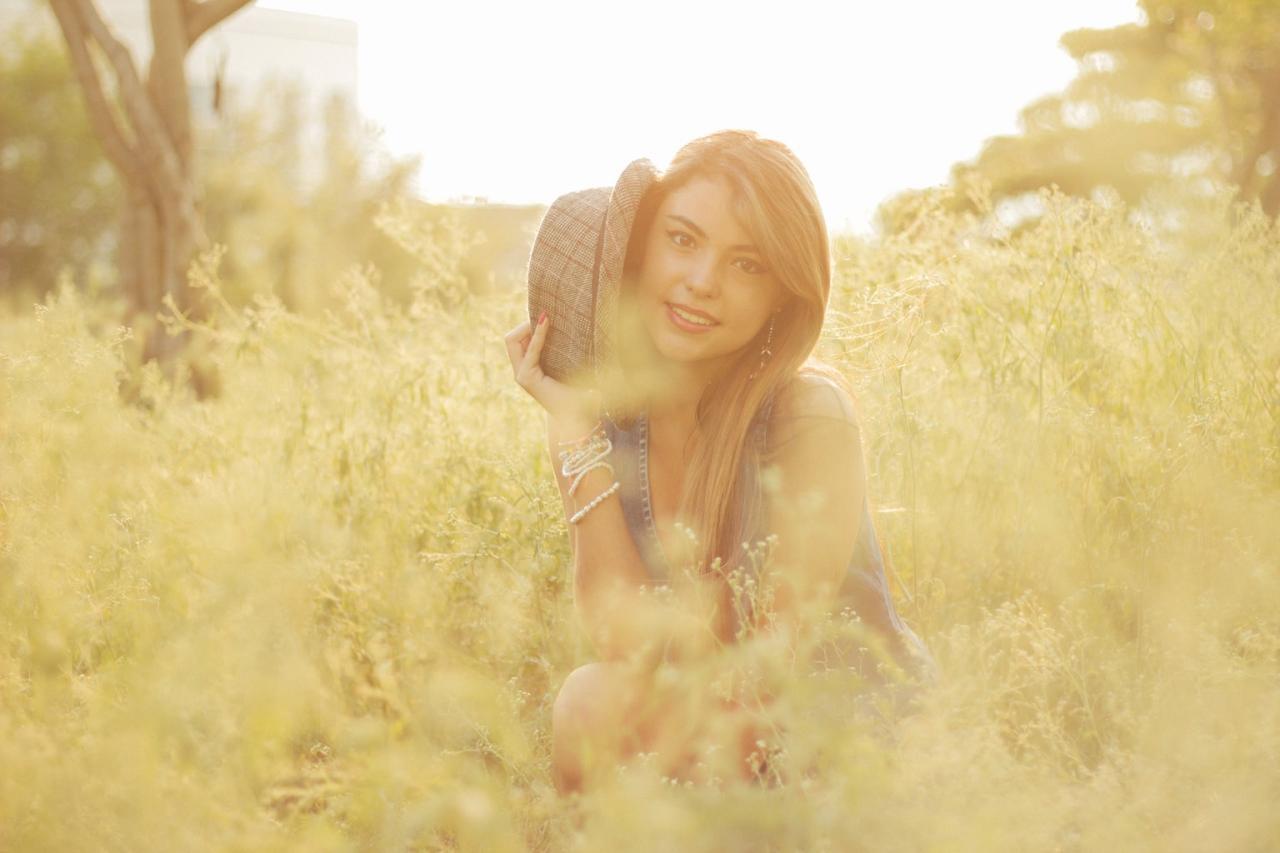
Light diffusion is essential for achieving softer images in photography and videography. Understanding the various tools and equipment available for light diffusion is crucial for any visual artist aiming to enhance their work. This section delves into the types of diffusers on the market, the significance of softboxes and umbrellas, and offers recommendations for creating DIY diffusion tools.
Types of Diffusers Available
Various diffusers can be employed to soften light, each with unique characteristics and effectiveness. The choice of diffuser can significantly impact the quality of light in a scene.
- Fabric Diffusers: Commonly made from materials like silk or nylon, these diffusers are lightweight and portable. They effectively scatter light, resulting in a soft, even illumination.
- Plastic Diffusers: Often used in built-in flash units or portable LED lights, plastic diffusers provide a more rigid option. They are easy to clean and maintain while offering diffuse light output.
- Glass Diffusers: Typically more durable, glass diffusers can withstand higher temperatures and are often used in studio settings. Their ability to produce a high-quality diffusion makes them popular among professional photographers.
- Reflective Diffusers: These materials reflect light rather than transmit it, providing a distinct quality of softness while adding a touch of warmth to the lighting.
Role of Softboxes and Umbrellas
Softboxes and umbrellas are pivotal in the realm of light diffusion. Each tool serves specific purposes and can be chosen based on the desired lighting effect.
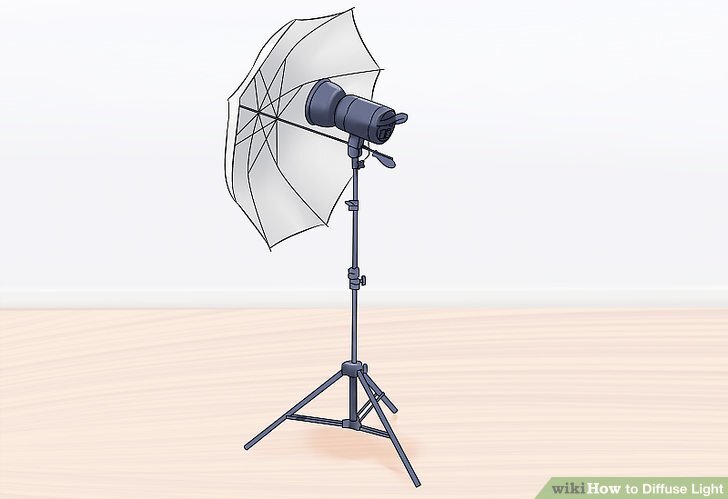
- Softboxes: These devices consist of a reflective interior that directs light through a diffusive front panel, creating soft, diffused light. They are ideal for portrait photography as they minimize harsh shadows.
- Umbrellas: Available in reflective and shoot-through varieties, umbrellas are versatile and easy to set up. Reflective umbrellas bounce light off their interior, creating a wide spread of soft light, while shoot-through umbrellas allow light to pass through for a gentler effect.
- Size Considerations: The size of the softbox or umbrella directly affects the softness of the light. Larger modifiers produce softer light, making them more desirable for capturing subtle details in skin tones and textures.
DIY Diffusion Tools
Creating your own diffusion tools can be an affordable and effective way to achieve the desired light quality. Various materials can be repurposed to fabricate efficient diffusion aids.
- White Bed Sheets: Large white sheets can be hung in front of a light source to diffuse light evenly across a scene.
- Shower Curtains: A translucent plastic shower curtain serves as an excellent and cost-effective diffuser. It can be draped over a frame or held up to soften harsh light.
- DIY Softbox: A cardboard box lined with aluminum foil and fitted with a diffusion material on the front can create a simple yet effective softbox. The reflective material helps direct the light while the front diffusion material softens the output.
- Foam Board: Using white foam board as a bounce can also help diffuse light by reflecting it towards the subject, thereby softening shadows.
“Utilizing the right diffusion tools not only enhances the quality of light but also elevates the overall aesthetic of your images.”
Application of Diffused Light in Photography
The use of diffused light plays a significant role in enhancing various photography genres. It softens shadows, reduces harsh highlights, and creates a more pleasing visual aesthetic. Understanding the application of diffused light can elevate the quality of portraits, product images, and landscape scenes, allowing photographers to convey emotion and atmosphere effectively.
Impact of Diffused Light on Portrait Photography
Diffused light is crucial in portrait photography, as it helps in achieving a more flattering representation of subjects. By softening the light, it reduces the appearance of blemishes and texture, creating an appealing, smooth look. To achieve this effect, photographers can utilize natural light through overcast skies or position subjects near large windows with sheer curtains. Additionally, using softboxes or diffusion panels further enhances this softness.
- Natural Diffusion: An overcast day provides an ideal environment where sunlight is naturally diffused, creating even lighting across the subject’s face.
- Artificial Diffusion: Employing softboxes or umbrellas can replicate this effect indoors. These tools spread light evenly and soften its intensity, resulting in beautiful portraits.
- Reflectors: Using reflectors in conjunction with diffused light can fill in shadows and add dimension to the subject, ensuring a balanced and professional look.
Creation of Softer Images in Product Photography
In product photography, the use of diffused light is essential for highlighting textures and details without creating distracting shadows or harsh reflections. Soft lighting can enhance the perception of a product’s quality and appeal. To create softer images, photographers can utilize light tents or softboxes, which provide an even light source around the product.
- Light Tents: These are useful for small products, as they enclose the item and diffuse light from all angles, eliminating harsh reflections.
- Softboxes: When photographing larger items, softboxes can be placed strategically to minimize shadows and create a smooth, appealing light.
- Diffusion Filters: Placing diffusion filters over the lens can also soften the overall image, giving it a dreamy, ethereal quality.
Role of Light Diffusion in Landscape Photography
Light diffusion in landscape photography is vital for establishing mood and atmosphere. Diffused light can enhance the colors and textures of natural scenes, resulting in more vibrant and serene compositions. Early morning or late afternoon light, when the sun is low in the sky, often creates a soft diffusion effect, lending a magical quality to the landscape.
- Golden Hour: During dawn and dusk, the angle of light creates a natural diffusion effect, enriching colors and adding depth to the landscape.
- Cloudy Days: Overcast skies can provide an excellent opportunity for landscape photography, as the diffused light minimizes harsh contrasts and evenly illuminates the scene.
- Use of Filters: Graduated neutral density filters can help in managing the exposure differences, ensuring that the sky and foreground receive balanced light, enhancing the overall composition.
Advanced Light Diffusion Techniques
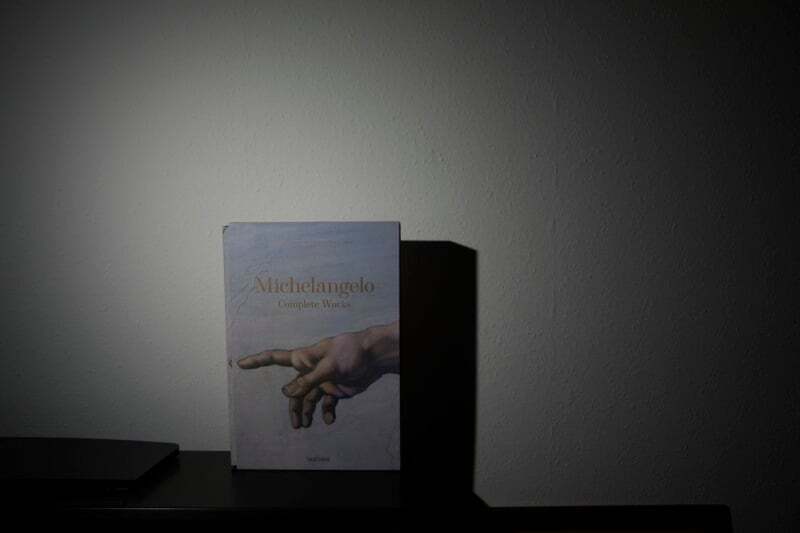
The art of light diffusion is a complex yet rewarding aspect of photography, allowing photographers to achieve softer, more pleasing images. This segment delves into advanced techniques for creating layered diffusion setups and understanding how various factors influence the quality of light diffusion. By mastering these techniques, photographers can manipulate light to evoke specific moods and enhance the overall aesthetic of their images.
Multi-Layer Diffusion Setups
Utilizing multi-layer diffusion setups is essential for achieving the desired softness in lighting. By employing various materials and techniques, photographers can create a more nuanced light quality. The following materials can be used in combination to enhance diffusion effects:
- White Silk: Offers a gentle diffusion, softening harsh light while maintaining some contrast.
- Frosted Acrylic Panels: Provide a more diffused light, beneficial for minimizing shadows.
- Translucent Shower Curtains: An affordable option that effectively diffuses light when placed between the source and the subject.
- Muslin Fabric: Typically used in backdrops, muslin can also serve as a diffusion layer that adds texture to light.
- Diffusion Gel Filters: Available in various densities, these filters can be placed over light sources to control the diffusion strength.
Combining these materials in a layered fashion can result in beautifully diffused light. For instance, placing a layer of white silk in front of a frosted acrylic panel can yield a unique diffusion effect that softens the light without losing too much intensity.
Interplay Between Light Diffusion and Color Temperature
The interplay between light diffusion and color temperature is crucial for creating specific moods in photography. Different diffusion materials can alter not only the intensity but also the color quality of the light, influencing the emotional impact of an image. For instance, warmer diffusion materials, such as peach or amber gels, can create a romantic or inviting atmosphere, while cooler materials might evoke a more clinical or serene environment.
When planning a shoot, consider the following factors regarding color temperature and diffusion:
- Material Color: The color of the diffusion material can add specific hues to the light, affecting the overall warmth or coolness of the image.
- Lighting Source Color Temperature: Adjusting the color temperature of the light source in conjunction with diffusion methods can enhance mood; for example, pairing a warm light with a soft white diffusion creates a cozy feel.
- Post-Processing Considerations: Understanding the initial color temperature will assist in editing; knowing how diffusion has affected the colors allows for better adjustments during post-production.
The right combination of diffusion and color temperature can dramatically shift the viewer’s perception, making it essential for photographers to experiment with these elements.
Impact of Distance Between Light Source and Subject
The distance between the light source and the subject is a pivotal factor in achieving optimal diffusion quality. As the distance increases, the light spreads out, resulting in a softer light with reduced harsh shadows. Conversely, bringing the light source closer will create a more intense, directed light that may produce sharper shadows.Consider the following guidelines regarding light distance and its effect on diffusion:
- Closer Distances: When the light source is within a few feet of the subject, it produces a more defined light quality, accentuating details while reducing diffusion effectiveness.
- Moderate Distances: Placing the light source several feet away allows for a balance between diffusion and detail, softening shadows while still providing some definition.
- Greater Distances: At longer distances, light becomes increasingly diffused, providing a gentle wash over the subject, making it ideal for portraits and soft lighting effects.
By strategically adjusting the distance of the light source, photographers can fine-tune the diffusion effect, achieving the exact mood and quality they desire for their images.
Troubleshooting Common Light Diffusion Issues
When working with light diffusion in photography, various challenges can arise that may affect the quality of your images. Identifying these common problems and implementing effective solutions can significantly enhance your results. This section will delve into prevalent issues encountered during light diffusion, offering practical advice to ensure a softer and more consistent light output in diverse conditions.
Common Problems and Solutions
Several issues can disrupt the process of achieving optimal light diffusion. Understanding these challenges and their solutions is crucial for photographers looking to maintain high-quality imagery.
- Uneven Lighting: This occurs when the light source is not adequately diffused, resulting in bright spots and harsh shadows. To solve this, ensure your diffusion material is evenly distributed across the light source. Adjusting the distance between the light and the subject can also help in achieving more uniform light distribution.
- Over-Diffusion: In situations where light appears excessively soft and lacking detail, it may be necessary to reduce the amount of diffusion. This can be achieved by using thinner materials or positioning the diffuser further from the light source, allowing some direct light to contribute to the overall exposure.
- Color Casts: Some diffusion materials can introduce unwanted color casts in your images. To mitigate this, choose high-quality diffusion materials that are color-neutral. Conducting a white balance check can also help in correcting any color inaccuracies during post-processing.
Achieving Consistent Softness
Consistency in light softness across varying lighting conditions is essential for maintaining a cohesive style in photography. Below are effective strategies to achieve this consistency.
- Utilize a variety of diffusers for different lighting scenarios. For instance, softboxes, umbrellas, and scrims each produce different diffusion effects and can be selected based on the specific environment.
- Experiment with the intensity of your light sources. Reducing the power of your light can help achieve a softer look, and pairing it with a diffuser enhances the overall quality of light.
- Maintain a consistent distance between the light source and the subject. This distance plays a pivotal role in determining the softness of the light; closer distances yield softer light.
Adjusting Light Direction
The direction of light significantly influences the diffusion process. Adjusting light direction is essential for obtaining the best diffusion results.
- Position the light source at a 45-degree angle to the subject. This angle helps avoid flat lighting and enhances texture while maintaining softness.
- For portraits, placing the light slightly above the subject’s eye level can create flattering shadows on the face, contributing to a more dynamic image.
- Utilize reflectors to bounce light and fill in shadows, providing additional control over the light direction and its diffusion.
Proper light direction is not only about softness but also about shaping the subject in a way that adds depth and dimension to your photographs.
Closing Notes
In conclusion, mastering the art of light diffusion opens up a realm of creative possibilities for photographers. By implementing the techniques and tools discussed, one can attain softer, more flattering images across various photography genres—from portraits to products and landscapes. Embracing these methods not only enhances your skill set but also enriches your artistic expression, making each photograph a more captivating visual story.