Beginning with How to Get Started in Landscape Photography, the narrative unfolds in a compelling and distinctive manner, drawing readers into a story that promises to be both engaging and uniquely memorable. Landscape photography captures the beauty of the natural world, showcasing everything from serene valleys to bustling urban environments. Understanding its significance and evolution enriches one’s appreciation for this art form and inspires budding photographers to explore the vast possibilities it offers.
This guide will delve into essential equipment, composition techniques, and the best practices for harnessing light and weather to elevate your photography. Additionally, it will provide insights into post-processing, discovering stunning locations, and building a captivating portfolio, all while fostering connections within the photography community.
Introduction to Landscape Photography
Landscape photography is a captivating genre that captures the beauty of the natural and built environment. It encompasses a wide array of subjects, ranging from sprawling vistas in national parks to intricate urban scenes. The significance of landscape photography lies not only in its ability to showcase the world’s beauty but also in its power to evoke emotions and convey the photographer’s vision, making it an essential part of the photographic arts.This genre can be broadly categorized into several types, each with its unique characteristics and appeal.
Natural landscape photography often focuses on untouched wilderness areas, featuring mountains, forests, rivers, and more. Urban landscape photography, on the other hand, highlights the interplay between architecture and the environment, encapsulating the essence of city life. Abstract landscape photography challenges traditional perceptions by presenting shapes, lines, and colors in innovative ways. As the genre has evolved over the years, it has adapted to technological advancements and changing artistic trends, shifting from traditional film techniques to digital photography while embracing diverse styles and perspectives.
Types of Landscape Photography
Understanding the different types of landscape photography is crucial for aspiring photographers. Each category offers unique opportunities for creative expression and technical exploration. Below are the primary types of landscape photography, each contributing distinctively to the overall genre:
- Natural Landscape Photography: This type emphasizes the beauty of nature in its most pristine form. Photographers often seek out remote locations, capturing stunning scenes such as mountainscapes, seascapes, and forests. The goal is to portray the majesty of nature without human interference.
- Urban Landscape Photography: By focusing on the built environment, urban landscape photography reflects the relationship between human development and nature. This includes city skylines, parks within cities, and the dynamic interactions of light and shadow created by architectural structures.
- Abstract Landscape Photography: This genre breaks away from traditional representations, utilizing patterns, colors, and shapes to create a more interpretative view of landscapes. The focus may shift from recognizable forms to an emphasis on textures and compositions, inviting viewers to explore their perceptions.
Evolution of Landscape Photography
The evolution of landscape photography reflects broader changes in technology, culture, and artistic movements. Initially, landscape photography was closely tied to painting, with early photographers attempting to replicate the aesthetics of traditional artworks. As photographic technology advanced, particularly with the introduction of film and later digital cameras, the possibilities for capturing landscapes expanded significantly.The early 20th century saw the emergence of pioneers like Ansel Adams, who developed techniques such as the Zone System to achieve stunning tonal range and sharpness in black-and-white images.
This era underscored the importance of technical skill and artistic vision in landscape photography. In contemporary times, the genre has further diversified with the rise of social media and digital platforms, allowing photographers to share their work globally and experiment with styles that appeal to a broader audience. The shift towards environmental awareness has also influenced modern landscape photography, prompting many photographers to engage with themes of conservation and sustainability.
“Landscape photography is the supreme test of the photographer, and often the supreme disappointment.” – Ansel Adams
Essential Equipment for Landscape Photography
Landscape photography requires specific equipment to effectively capture the beauty of natural scenery. The right tools can significantly enhance the quality of your images, allowing for greater creativity and expression in your work. This section Artikels the essential camera types, lenses, tripods, filters, and other accessories that are crucial for landscape photography enthusiasts.
Camera Types Suited for Landscape Photography
Selecting the appropriate camera is fundamental to achieving stunning landscape images. The following types of cameras are ideal for landscape photography:
- Digital Single-Lens Reflex (DSLR) Cameras: These cameras offer interchangeable lenses, manual controls, and generally superior image quality. Popular models include the Canon EOS 5D Mark IV and Nikon D850.
- Mirrorless Cameras: Known for their compactness and advanced features, mirrorless cameras like the Sony A7R IV provide excellent image quality and performance. They also support lens interchangeability.
- Medium Format Cameras: For the highest level of detail, medium format cameras such as the Fujifilm GFX 100 offer larger sensors, ideal for capturing expansive landscapes.
Importance of Lenses in Landscape Photography
Lenses play a critical role in determining the overall composition and quality of landscape photographs. The selection of the right lens can greatly affect the depth of field and perspective.
- Wide-Angle Lenses: These lenses, typically ranging from 14mm to 24mm, are essential for capturing sweeping vistas and allowing a greater area of the scene to fit within the frame.
- Standard Lenses: A 24mm to 70mm lens is versatile for various compositions and can provide excellent image quality for landscapes.
- Telephoto Lenses: Ranging from 70mm to 200mm, telephoto lenses help isolate specific elements within a landscape, creating a unique perspective.
Tripods and Their Significance
A sturdy tripod is indispensable for landscape photography, particularly in low-light conditions or when using long exposure techniques. The stability provided by a tripod ensures sharp images and allows for greater creativity with composition.
- Stability: A quality tripod minimizes camera shake, providing the necessary stability for sharp shots.
- Adjustability: Look for tripods that allow for height adjustments and have a versatile ball head for smooth movement in various angles.
- Portability: Lightweight materials like carbon fiber make it easier to carry tripods during long hikes to remote locations.
Filters to Enhance Landscape Photography
Filters are essential tools that can dramatically improve landscape photographs by managing light and enhancing colors.
- Neutral Density (ND) Filters: These filters reduce the amount of light entering the lens, allowing for longer exposure times without overexposing the image.
- Polarizing Filters: By reducing reflections and enhancing colors, polarizing filters can make the sky bluer and foliage more vibrant, contributing to a more dynamic composition.
- Graduated Neutral Density (GND) Filters: Useful for balancing the exposure between the sky and land, GND filters help maintain detail in both highlights and shadows.
Additional Accessories for Landscape Photography
To further enhance the landscape photography experience, certain accessories can be invaluable.
- Lens Cleaning Kit: Keeping lenses free of dust and smudges is crucial for sharp images. A quality cleaning kit should include microfiber cloths and lens wipes.
- Remote Shutter Release: This accessory allows photographers to take long exposures without physically touching the camera, reducing the risk of camera shake.
- Waterproof Camera Bag: Protecting your equipment from the elements is essential. A waterproof camera bag will keep your gear safe during unexpected weather conditions.
Understanding Composition Techniques

Composition is a fundamental element of landscape photography that greatly influences the visual impact of an image. Mastering various composition techniques allows photographers to create more compelling and engaging photographs that effectively communicate their artistic vision. By utilizing established rules and creative approaches, one can enhance the aesthetic quality of landscape images and draw the viewer’s eye toward the intended focal points.
Rule of Thirds
The rule of thirds is a foundational principle in photography that involves dividing the image into nine equal sections using two horizontal and two vertical lines. This technique encourages photographers to place the key elements of the composition along these lines or at their intersections, creating a balanced and dynamic image. When applied to landscape photography, the horizon is often aligned with either the top or bottom third of the frame, allowing for an engaging foreground and background relationship.
For example, when capturing a sunset, positioning the horizon in the lower third can emphasize the vibrant colors of the sky, while placing it in the upper third allows the foreground elements, such as trees or rocks, to take center stage. This simple yet effective technique can transform a standard landscape into a visually stimulating piece.
Leading Lines
Leading lines are compositional elements that direct the viewer’s eyes through the photograph, creating a sense of depth and dimension. These lines can be natural, such as rivers, paths, or rows of trees, or they can be man-made structures like fences or roads. By incorporating leading lines into landscape images, photographers can enhance the viewer’s journey through the scene, guiding them toward the main subject or point of interest.For instance, a winding path leading toward a distant mountain can evoke feelings of adventure and exploration.
Additionally, the use of diagonal lines tends to create more energy and movement in a photograph, making the composition feel more dynamic and engaging.
Framing Techniques
Framing techniques involve using elements within the scene to create a ‘frame’ around the main subject, drawing attention to it and adding depth to the image. This can be achieved through natural elements like overhanging branches, rock formations, or even architectural structures. The frame not only emphasizes the subject but also adds context to the scene, making the image more immersive.For example, capturing a mountain peak through a natural archway can provide a unique perspective that enhances the viewer’s experience.
Similarly, framing with flowers in the foreground can create a sense of intimacy and connection to the landscape, making the photograph more engaging and inviting.In summary, understanding and implementing composition techniques such as the rule of thirds, leading lines, and framing can significantly elevate the quality of landscape photography. By thoughtfully applying these principles, photographers can create images that not only capture the beauty of the natural world but also resonate emotionally with their audience.
Mastering Light and Weather Conditions
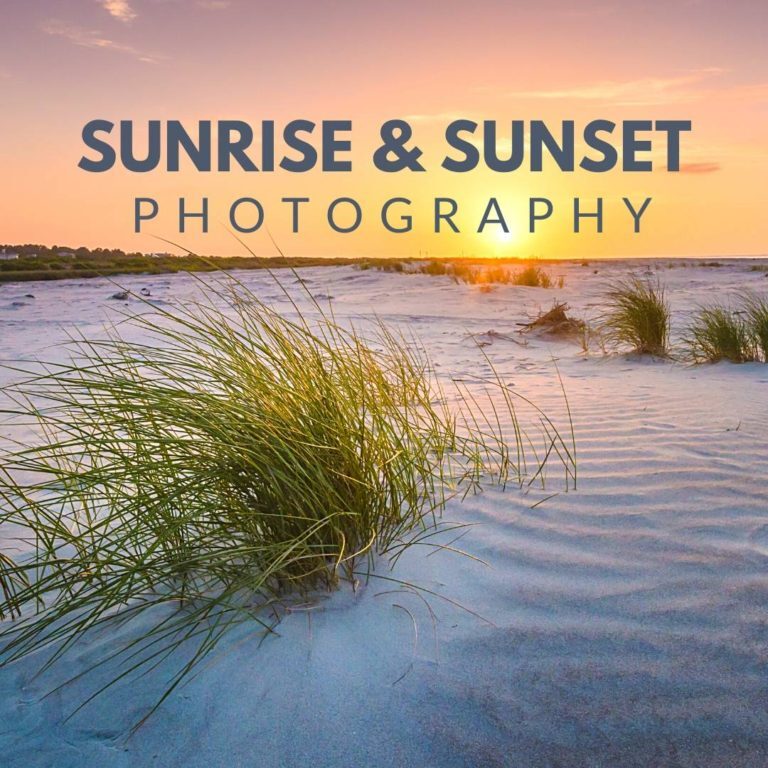
Understanding light and weather conditions is fundamental in landscape photography as they profoundly influence the aesthetics and emotional impact of your images. Properly mastering these elements allows photographers to capture stunning visuals that resonate with viewers on a deeper level.
Best Times of Day for Landscape Photography
The golden hour, which occurs shortly after sunrise and before sunset, is considered the most advantageous time for landscape photography. During this period, the sunlight takes on a warm, soft quality that enhances colors and creates long shadows, adding depth and dimension to the landscape. This magical light can evoke feelings of warmth and tranquility, making scenes more inviting.
- Sunrise is particularly advantageous as it often brings a serene atmosphere, with fewer crowds and the potential for mist or fog that can add a mystical quality to your photographs.
- Sunset, on the other hand, can produce vibrant hues of orange, pink, and purple, allowing for dramatic skies that can serve as breathtaking backdrops.
Both moments provide opportunities for photographers to capture the landscape in a way that is distinct from the harsh midday sun, which can wash out colors and create unflattering shadows.
Impact of Weather Conditions on Landscape Photography
Weather conditions can dramatically alter the mood and appearance of a landscape, providing unique opportunities for photographers. Understanding how to utilize these conditions can lead to powerful imagery.
- Overcast skies can create a soft, diffused light that reduces contrast and allows for the intricate details of a scene to be captured without harsh shadows.
- Rain can enhance colors and textures, particularly in vegetation, making landscapes appear more vibrant and fresh. Additionally, raindrops on leaves or flowers can add an element of intimacy to photographs.
- Snow can transform a landscape into a serene, monochromatic scene, emphasizing shapes and forms while creating a sense of stillness.
Photographers must be prepared to adapt to changing weather conditions and use them to their advantage to evoke specific emotions and narratives within their images.
Anticipating Light Changes and Understanding Natural Light
The ability to anticipate changes in natural light is crucial for landscape photography. Light is dynamic and can shift rapidly, particularly during sunrise and sunset. Photographers should be aware of how the position of the sun affects their compositions and be ready to make adjustments accordingly.
- Understanding the light’s angle can help in identifying the best vantage points for capturing the landscape.
- The use of a histogram can aid in evaluating the exposure of images, ensuring that highlights and shadows are well-balanced.
Natural light also varies throughout the day, with different qualities that can enhance or detract from a scene. For instance, during the golden hour, light can be more directional, highlighting textures and creating depth, while during the middle of the day, light may be more uniform and flat. In conclusion, mastering light and weather conditions is essential for landscape photographers.
By effectively leveraging the golden hour, adapting to varying weather, and anticipating light changes, you can significantly enhance the visual impact of your landscape images.
Post-Processing Techniques
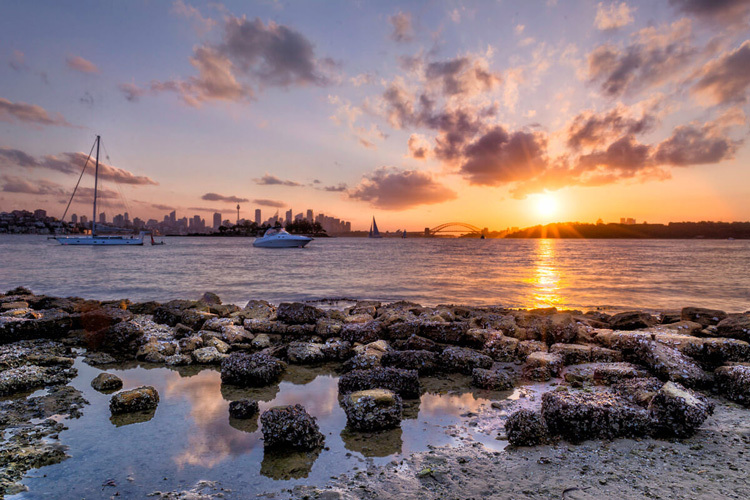
Post-processing is an essential aspect of landscape photography that allows photographers to enhance their images, bringing out the beauty of nature in ways that the camera alone cannot achieve. This stage of photography involves adjusting various elements of an image to improve its overall quality and appeal. Understanding post-processing techniques will enable you to refine your photographs, creating stunning visuals that resonate with viewers.When enhancing landscape photographs, the choice of software tools plays a crucial role.
Programs like Adobe Lightroom and Photoshop are popular among photographers for their powerful editing capabilities. These tools offer options to adjust color balance, contrast, sharpness, and more, allowing for comprehensive image enhancements. Below is a step-by-step guide to basic editing techniques that can significantly improve your landscape photographs.
Basic Editing Techniques for Landscape Photography
To effectively post-process landscape images, follow these essential steps:
1. Import Your Images
Begin by importing your images into the editing software of your choice. Ensure you are working with RAW files for the best quality and flexibility in editing.
2. Crop and Align
Adjust the composition by cropping the image to remove distractions or to enhance the focal point. Additionally, align the horizon to ensure a level perspective.
3. Adjust Exposure and Contrast
Modify the exposure to brighten or darken the overall image. Increase contrast to add depth, making the highlights brighter and shadows darker.
4. Enhance Colors
Use the vibrance and saturation sliders to boost colors without making them look unnatural. Pay attention to the white balance to ensure that the colors appear true to life.
5. Sharpen the Image
Apply sharpening to bring out details, particularly in the foreground elements. Be cautious not to over-sharpen, as this can introduce unwanted noise.
6. Reduce Noise
If you notice graininess, especially in images taken at high ISO settings, use noise reduction tools to smooth out the image without losing detail.
7. Apply Local Adjustments
Utilize graduated filters or adjustment brushes to selectively enhance certain areas, such as brightening a foreground or darkening a sky.
8. Final Touches
Review your image for any additional adjustments needed, such as cropping, sharpening, or color correction. Once satisfied, export the image in your desired format.
Software Tools for Enhancing Color, Contrast, and Sharpness
A range of software applications are available to improve the quality of landscape photographs. Each software offers unique features and tools for enhancement. Here are some widely used programs:
- Adobe Lightroom: Ideal for batch processing and basic adjustments, Lightroom is excellent for enhancing colors, contrast, and overall exposure.
- Adobe Photoshop: Known for its advanced editing capabilities, Photoshop allows for detailed retouching, layer management, and intricate adjustments.
- Capture One: Preferred by many professional photographers, Capture One offers powerful color grading options and exceptional detail enhancement.
- Affinity Photo: A cost-effective alternative to Photoshop, Affinity Photo provides robust editing tools suitable for landscape photography.
- GIMP: A free, open-source software that offers essential editing tools, making it accessible for beginners and those on a budget.
Using these tools, photographers can elevate their landscape images significantly, making them more vibrant and compelling.
Creating Panoramic Images and Stitching Techniques
Panoramic images capture a wider field of view, showcasing expansive landscapes effectively. Creating these images requires precise techniques and software for stitching multiple photographs together. The following steps Artikel the process:
1. Plan Your Shots
When capturing images for panoramas, overlap each shot by about 30% to ensure seamless stitching later. Use a tripod to maintain consistent framing and level horizons.
2. Shoot in Manual Mode
Set your camera to manual mode to maintain consistent exposure settings across all images. This prevents variations in brightness and color during stitching.
3. Capture Images
Take a series of photos, moving the camera horizontally (or vertically for tall panoramas) to cover the desired field of view.
4. Use Stitching Software
Import your images into specialized stitching software such as Adobe Lightroom, Photoshop, or dedicated panorama software like Hugin. The software will automatically align and blend the images.
5. Make Adjustments
After stitching, inspect the final image for any inconsistencies in exposure or color. Use the editing tools to make necessary adjustments and finalize the panorama.
6. Export Your Panorama
Once satisfied with the final image, export it in a suitable format, ensuring to choose a high resolution for printing or display.By mastering these post-processing techniques, landscape photographers can significantly enhance their work, producing striking images that capture the essence of the natural world.
Finding Inspiring Locations
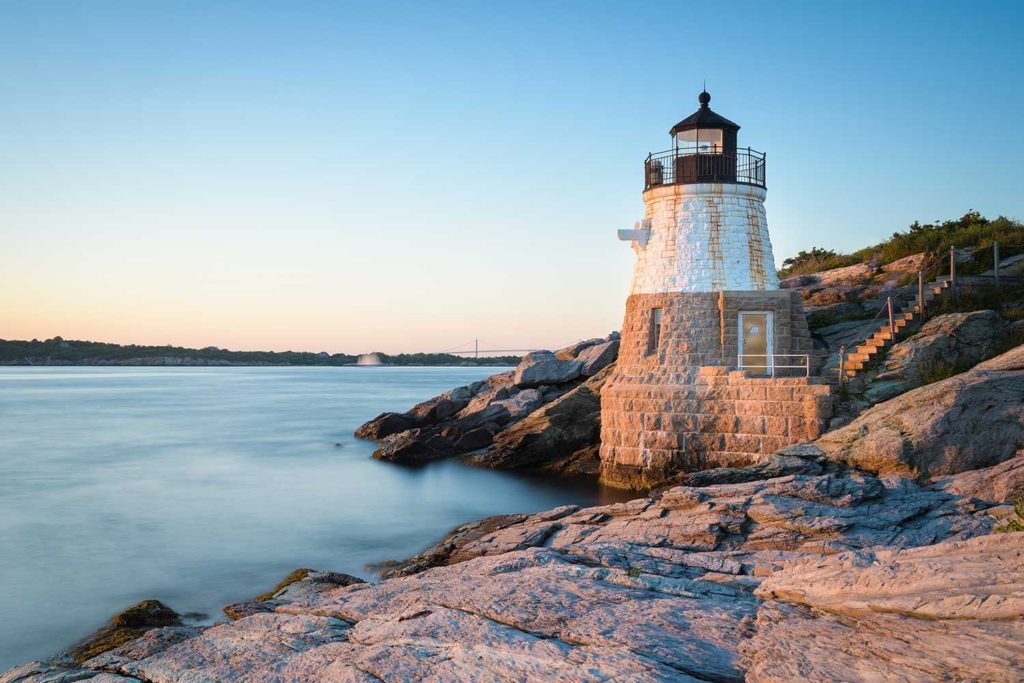
Identifying the perfect landscape for photography requires not only skill and technique but also an understanding of where to find stunning scenery. This section focuses on discovering breathtaking locations that can elevate your landscape photography. By exploring both popular and lesser-known sites, you can create a diverse portfolio that showcases the beauty of nature.Researching and scouting for locations is crucial to capturing unique landscapes.
While iconic spots like the Grand Canyon or Yosemite National Park are renowned for their beauty, hidden gems often provide equally compelling scenes without the crowds. Below are effective strategies for finding such inspiring locations.
Popular Locations Known for Breathtaking Landscapes
Many locations around the world are celebrated for their unforgettable landscapes. Knowing where to go can be as vital as knowing how to photograph. The following locations are recognized for their picturesque views and are often frequented by photographers:
- Banff National Park, Canada: This park is famous for its stunning mountain scenery and vibrant turquoise lakes, making it a favorite among landscape photographers.
- Scotland’s Highlands: With its rugged terrain, ancient castles, and dramatic skies, the Scottish Highlands offer a myriad of photographic opportunities.
- The Dolomites, Italy: This mountain range is known for its striking peaks and diverse landscapes, ideal for capturing both sunrise and sunset shots.
- Antelope Canyon, USA: The unique rock formations and light beams filtering through the narrow passageways create otherworldly images.
- New Zealand’s South Island: With its variety of landscapes including mountains, lakes, and coastlines, this region is a paradise for landscape photography.
Researching and Scouting Lesser-Known Landscapes
While famous locations are often visited, scouting lesser-known areas can lead to extraordinary photographs. Learning to research these hidden gems is essential. Here are some methods to uncover picturesque landscapes off the beaten path:
1. Local Guides and Blogs
Many photographers and travel bloggers share their discoveries online. Searching for regional guides or blogs can provide insights into less-traveled spots.
2. Topographic Maps
Utilizing topographic maps can help identify scenic viewpoints and natural landmarks that may not be widely publicized.
3. National and State Parks
National and state parks often have lesser-known trails and vistas that showcase natural beauty without the crowds.
4. Word of Mouth
Engaging with local photographers can yield valuable recommendations for hidden locations that are not listed in typical travel resources.
Utilizing Social Media and Photography Communities
Social media platforms and photography communities play a significant role in discovering new locations. Here are some effective ways to leverage these tools:
Search using specific hashtags related to landscape photography or particular locations. Following landscape photographers can reveal their favorite spots and inspire your own adventures.
Facebook Groups
Join photography-focused Facebook groups where members share their discoveries and experiences. This fosters a sense of community and allows for location sharing.
Flickr and 500px
Online photo-sharing platforms like Flickr and 500px enable photographers to showcase their work while tagging locations. Browsing through these platforms can provide not only inspiration but also specific location information.
YouTube
Many photographers document their travels on YouTube. Watching these videos can provide visual insights into potential locations and help in planning your visits.
“Finding the right location is just as important as mastering your camera settings; it sets the stage for your photographic masterpiece.”
Building a Landscape Photography Portfolio
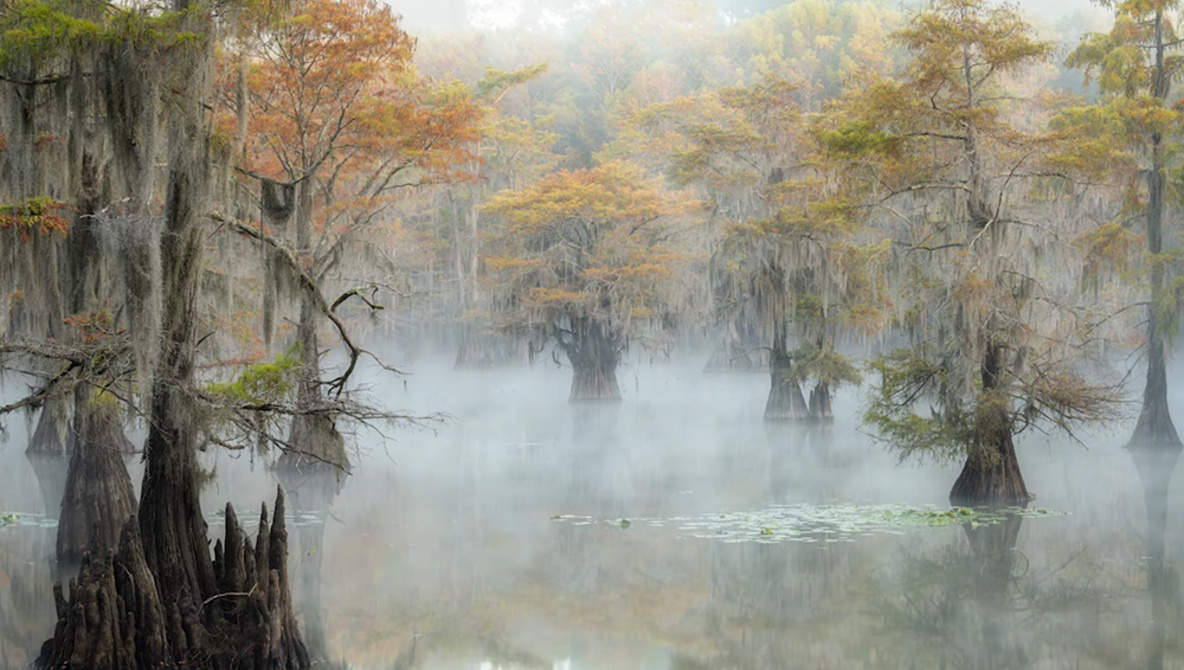
Creating a cohesive landscape photography portfolio is essential for showcasing your skills and artistic vision. A well-curated portfolio not only reflects your unique style but also serves as a powerful tool for attracting potential clients and opportunities in exhibitions. This section delves into the significance of having a well-structured portfolio, effective presentation methods, and strategies for leveraging your portfolio in a professional context.
Importance of a Cohesive Portfolio
A cohesive portfolio highlights your ability to capture the beauty of landscapes while demonstrating your technical skills and creative vision. It is crucial to select images that work harmoniously together, showcasing not only your best work but also a consistent style or theme. A well-organized portfolio can evoke emotions and tell a story through visuals, making it easier for viewers to connect with your artistry.
Methods for Presenting Photographs
Effective presentation of your photographs, both online and offline, can significantly impact how potential clients and galleries perceive your work. Consider the following methods for presenting your portfolio:
- Online Portfolios: Utilize platforms such as Adobe Portfolio, Squarespace, or Wix to create a visually appealing website. Ensure your images are displayed in high resolution, and categorize them into collections based on themes or locations to facilitate easy navigation.
- Social Media: Use platforms like Instagram or Pinterest to showcase your work. Regularly post updates, behind-the-scenes content, and engage with your audience to build a community around your photography.
- Physical Portfolios: For in-person presentations, create a well-designed printed portfolio. Choose high-quality prints and consider the layout carefully, ensuring that images are arranged to enhance the viewer’s experience.
Strategies for Attracting Clients and Exhibitions
Leveraging your portfolio to attract clients or gain exhibition opportunities involves strategic promotion and networking. The following strategies can enhance your chances of success:
- Networking: Attend photography events, workshops, and exhibitions to connect with other photographers, potential clients, and gallery owners. Building relationships in the industry can lead to referrals and exhibition invitations.
- Marketing: Share your portfolio with local galleries, tourism boards, and businesses that may benefit from your work. Create targeted marketing materials, such as brochures or postcards, to distribute during networking events.
- Online Exposure: Consider submitting your work to photography contests or online publications. Winning awards or getting featured can significantly enhance your visibility and credibility as a landscape photographer.
“A portfolio is not just a collection of photographs; it’s a reflection of your journey, style, and vision as an artist.”
Engaging with the Photography Community
Connecting with fellow landscape photographers can significantly enhance your skills, creativity, and overall experience in photography. Engaging with the community provides opportunities for learning, sharing, and gaining inspiration from like-minded individuals who share your passion for capturing the beauty of the natural world. Through various platforms and activities, you can immerse yourself in a supportive environment that nurtures growth and artistic development.
Connecting through Workshops and Meetups
Participating in workshops and meetups is an excellent way to connect with other photographers. These events offer hands-on experiences and the chance to learn from experienced mentors. Workshops often include practical sessions where participants can capture landscape scenes together, receiving real-time feedback on their techniques and compositions.
- Workshops are typically led by professional photographers, providing insights into advanced techniques and personal styles.
- Meetups are casual gatherings that allow photographers to share experiences and tips, fostering a sense of camaraderie.
- Both workshops and meetups often include group discussions, which can enrich your understanding of different perspectives and approaches in landscape photography.
Benefits of Joining Photography Clubs and Online Forums
Joining photography clubs and engaging in online forums can significantly enhance your journey. These platforms provide a space for interaction, discussion, and critique, which can help refine your skills and broaden your horizons.
- Photography clubs often host regular meetings, critiques, and exhibitions, creating opportunities for networking and showcasing your work to a broader audience.
- Online forums offer a global perspective, allowing you to connect with photographers from various backgrounds, each bringing unique insights and techniques.
- Participating in discussions in these environments can lead to valuable mentorship opportunities and collaborations on projects.
Participating in Competitions and Exhibitions
Engaging in competitions and exhibitions is a proactive way to showcase your work and gain recognition in the photography community. These platforms provide exposure and can lead to valuable feedback from judges and peers.
- Competitions often have various categories, allowing photographers to explore different themes and styles, which can push creative boundaries.
- Exhibitions enable photographers to display their work publicly, promoting personal brand visibility and connecting with potential clients or collaborators.
- Many competitions provide the opportunity for winners to receive mentorship, scholarships, or even publication in photography magazines, which can significantly advance your career.
“Engaging with the photography community not only enhances your skills but also opens doors to new opportunities and collaborations.”
Closing Summary
In conclusion, embarking on the journey of landscape photography opens up a world filled with artistic expression and exploration. By mastering the fundamentals and embracing creativity, you will not only enhance your skills but also find joy in capturing the beauty around you. Whether you’re photographing majestic mountains or intimate urban scenes, each shot tells a story waiting to be shared, encouraging you to continue growing within this vibrant community.