How to Take Amazing Photos on an Overcast Day is an exciting exploration into the world of photography under cloudy skies. While many might perceive overcast weather as a challenge, it presents unique opportunities for photographers to capture stunning images that are often overlooked. This guide aims to illuminate the hidden beauty found in these conditions, providing valuable insights and practical techniques that will elevate your photography to new heights.
By understanding the nuances of overcast lighting, adjusting camera settings accordingly, and employing creative composition techniques, you will learn how to embrace the soft, diffused light that can transform ordinary scenes into extraordinary photographs. With the right approach, a cloudy day can become a canvas for your artistic expression.
Camera Settings for Overcast Days
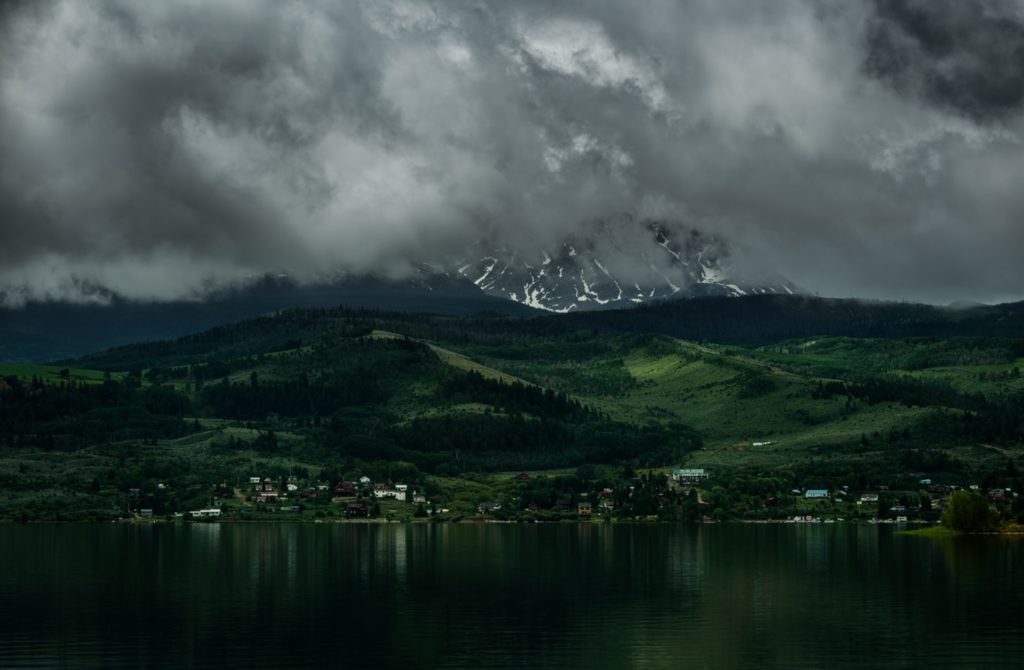
Overcast days present unique lighting challenges for photographers, often resulting in softer shadows and muted colors. Understanding how to adjust your camera settings can help capture stunning images despite the cloudy conditions. This section explores the ideal camera settings, specific examples for different photography styles, and the crucial role of shooting in RAW format for enhanced post-processing flexibility.
Ideal Camera Settings for Overcast Conditions
When photographing in low-light situations typical of overcast days, optimizing your camera settings is essential to achieve well-exposed images. The primary settings to adjust include ISO, aperture, and shutter speed.
ISO
Elevating your ISO setting can compensate for reduced light. While a higher ISO allows for better exposure, it may introduce noise. A starting ISO of 400 is recommended for overcast days, though this can be adjusted higher if necessary. Depending on your camera’s performance, you may consider using ISO 800 or even 1600 for darker scenes.
Aperture
A wider aperture (lower f-stop number) lets in more light and can create a pleasing depth of field. For landscapes, an aperture of f/8 to f/11 is commonly used to ensure sharpness from foreground to background. For portraits, a wider aperture such as f/2.8 or f/4 can beautifully blur the background while keeping your subject in focus.
Shutter Speed
To avoid motion blur, the shutter speed should be sufficiently fast, especially if your subject is moving. A general rule of thumb is to use a shutter speed that is at least the reciprocal of your focal length. For example, if using a 50mm lens, a shutter speed of 1/50 seconds or faster is recommended. In low-light situations, consider using image stabilization features or a tripod to maintain sharpness with slower shutter speeds.
Specific Examples for Different Photography Styles
The following examples illustrate how to effectively set your camera for various types of photography in overcast conditions.
Landscape Photography
With the soft, even lighting provided by overcast skies, landscapes can appear more vibrant and detailed. Use the following settings:
ISO
200
Aperture
f/8
Shutter Speed
1/125 seconds (adjust based on light conditions)
Portrait Photography
Overcast days are ideal for capturing flattering portraits, as the diffused light minimizes harsh shadows on the subject’s face. Recommended settings include:
ISO
400
Aperture
f/4
Shutter Speed
1/200 seconds (or faster depending on the subject’s movement)
Street Photography
Capturing candid moments can be effective on cloudy days. Settings to consider may be:
ISO
800
Aperture
f/5.6
Shutter Speed
1/250 seconds
Importance of Shooting in RAW Format
Utilizing RAW format is particularly advantageous in overcast conditions due to the greater latitude it provides in post-processing. RAW files contain more data than JPEGs, allowing for extensive adjustments in exposure, contrast, and color balance without sacrificing image quality.
Highlight and Shadow Recovery
Overcast lighting can sometimes result in underexposed areas. Shooting in RAW allows for effective recovery of details in highlights and shadows during editing.
Color Correction
The muted colors on cloudy days can be enhanced more effectively in RAW, enabling photographers to manipulate white balance and saturation without degrading image quality.In conclusion, understanding and applying the correct camera settings while embracing the benefits of RAW format can significantly enhance your photographic outcomes on overcast days. These adjustments will help you capture the unique beauty of your surroundings, despite the lack of direct sunlight.
Composition Techniques
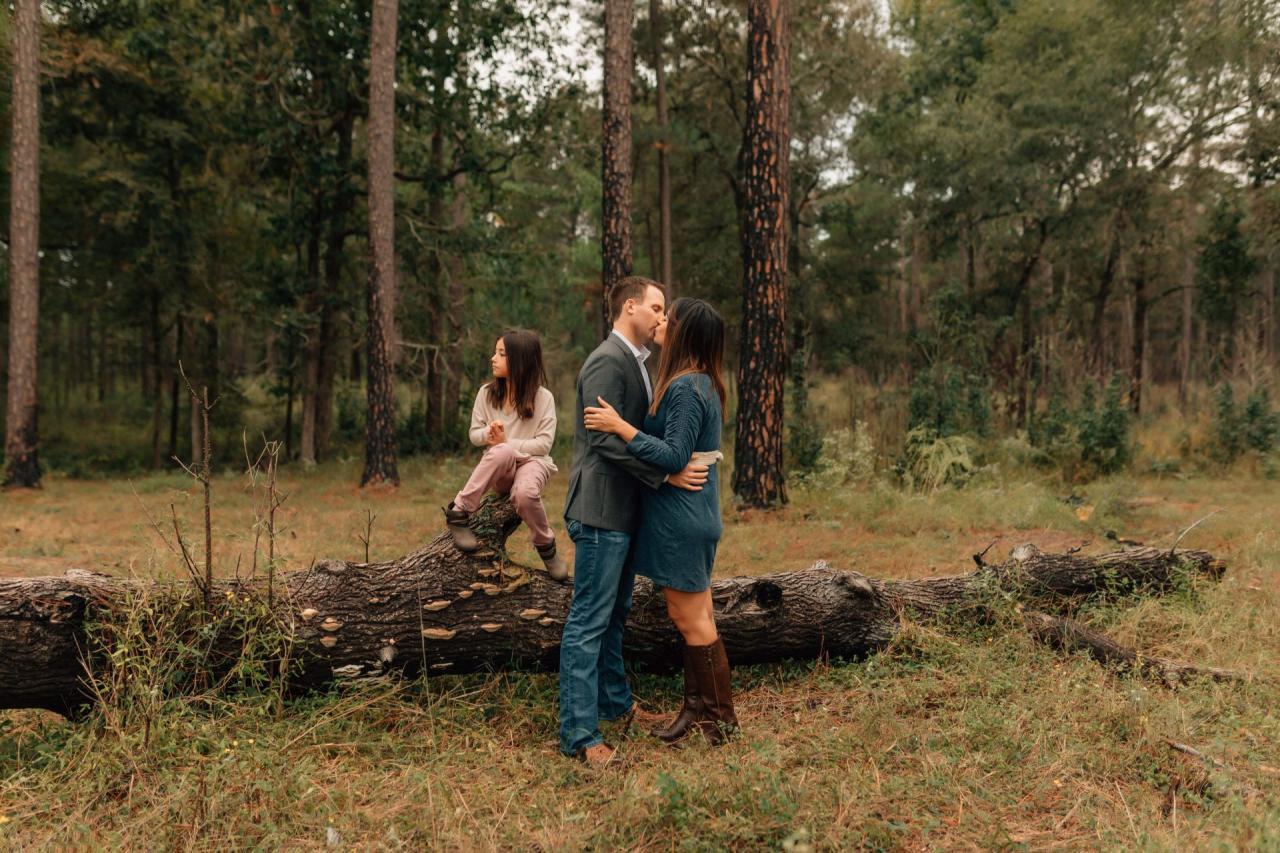
The art of photography on overcast days can be greatly enhanced through thoughtful composition techniques. The soft, diffused light provided by cloudy skies presents a unique opportunity to create striking images that might not be achievable in bright sunlight. By employing effective composition strategies such as leading lines, framing, incorporating foreground elements, and adhering to the rule of thirds, photographers can transform gray skies into a captivating backdrop.
Leading Lines and Framing
Utilizing leading lines and framing can significantly enhance the visual appeal of photographs captured on overcast days. Leading lines draw the viewer’s eye into the image, creating a sense of depth and perspective. These lines can be found in natural formations, such as paths, rivers, or fences, as well as architectural elements like roads and bridges. Framing, on the other hand, involves using elements within the scene to create a “frame” around the main subject.
This technique helps to isolate the subject and draw attention to it, effectively directing the viewer’s focus. When working with overcast conditions, consider:
- Identifying natural pathways or physical structures that guide the viewer’s gaze toward the subject.
- Positioning branches, doorways, or windows to frame the subject, enhancing the depth and context of the photograph.
- Using strong lines, such as the horizon or architectural lines, to create a dynamic composition that contrasts against the flat, muted sky.
“Leading lines and framing not only add structure to your image but also enhance storytelling through composition.”
Incorporating Foreground Elements
Adding foreground elements to your shots can bring depth and dimension to overcast photographs. Foreground elements serve to anchor the viewer in the scene, creating layers that lead the eye through the composition. This technique is particularly effective in gray conditions, as it can provide a stark contrast against the soft background. To effectively incorporate foreground elements, consider the following strategies:
- Look for interesting textures or shapes in the foreground that complement the main subject, such as grass, flowers, or rocks.
- Experiment with different angles and perspectives to showcase the relationship between the foreground and the background.
- Focus slightly on the foreground while keeping the background slightly out of focus, drawing attention to both elements while adding depth to the image.
“The inclusion of foreground elements can turn a flat scene into a three-dimensional experience.”
Application of the Rule of Thirds
The rule of thirds is a fundamental composition guideline that can greatly improve the balance and harmony of photographs, especially on overcast days. This technique involves dividing the frame into a grid of nine equal parts using two horizontal and two vertical lines. By positioning the main subject along these lines or at their intersections, photographers can create more engaging and dynamic compositions.When applying the rule of thirds under gray skies, consider the following approaches:
- Place the horizon line along the upper or lower third of the frame, depending on whether the sky or the foreground is more compelling.
- Position important subjects at the intersections of the lines to draw the viewer’s attention immediately to those points.
- Use the grid to balance various elements within the composition, ensuring that no single part dominates the image while maintaining visual interest.
“Applying the rule of thirds effectively transforms ordinary scenes into engaging narratives.”
Utilizing Natural Reflectors

On overcast days, the soft, diffused light presents unique opportunities for photographers. One effective technique for enhancing the quality of your images is the use of natural reflectors. These reflective surfaces can help to manipulate light and improve the overall aesthetics of your photographs.Reflective surfaces such as water, glass buildings, and even wet pavement can serve as natural reflectors, bouncing light back onto your subject.
This can reduce harsh shadows and create a more balanced exposure. Capturing reflections not only enhances lighting but also adds depth and interest to your compositions. The interplay of light and reflection can lead to stunning visual effects and innovative storytelling through your imagery.
Effective Use of Natural Reflectors
When utilizing natural reflectors, it is important to consider the type of surface and its unique properties. The following examples highlight various reflective surfaces that can be effectively used in overcast photography:
- Water Bodies: Lakes, ponds, or puddles can act as striking reflectors. Shooting near water allows for the reflection of clouds or surrounding scenery, adding a beautiful symmetry to your image. A well-composed shot of a landscape with a calm water surface can result in a mirror-like effect that emphasizes the tranquil atmosphere of an overcast day.
- Glass Buildings: Urban environments often provide ample opportunities with glass facades. The reflective properties of these buildings can create dynamic compositions where the subject interacts with its surroundings. Capturing the reflections of clouds or other architectural elements can add an artistic quality to your photographs.
- Wet Pavement: After rainfall, streets and sidewalks can become natural reflectors. The sheen on wet surfaces can enhance colors and provide interesting layering in your images. A street scene with vibrant reflections can evoke a sense of urban life, enriching the story you wish to convey.
- Metal Surfaces: Certain structures, like sculptures or railings, may reflect light effectively. Using angles to capture the reflection can create intriguing patterns and shapes within your composition, contributing to a modern aesthetic.
Utilizing these natural reflectors effectively requires careful attention to composition and angle. Positioning yourself to capture the best reflections can significantly elevate the quality of your photographs. Experimenting with different perspectives can also reveal unexpected and captivating results. By incorporating these elements into your overcast photography, you can create stunning images that stand out.
Color Management
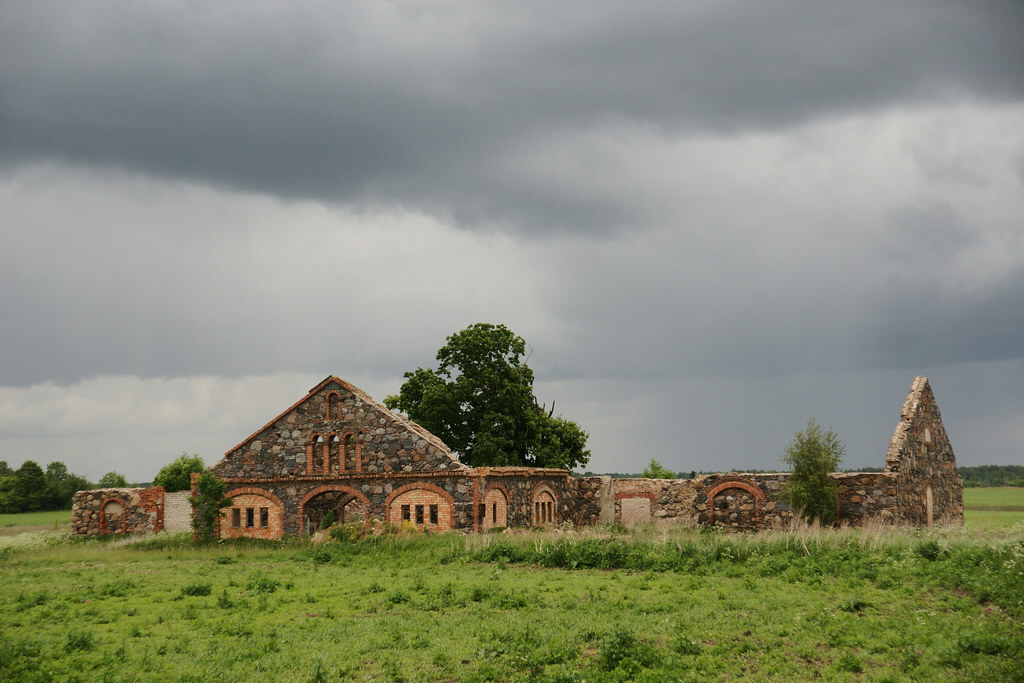
Effective color management is crucial in photography, especially on overcast days when natural light conditions can diminish the vibrancy of colors. Overcast skies often result in a softer light that can lead to muted hues and a lack of contrast. Understanding how to manipulate color in both camera settings and post-processing can dramatically enhance the visual appeal of your photographs taken in such conditions.Color contrast plays a significant role in bringing life to your images, even when the lighting appears dull and flat.
Achieving a dynamic range of colors can be accomplished through several techniques. To enhance color contrast in your overcast photography, focus on the following strategies:
Achieving Color Contrast in Overcast Photography
Utilizing color contrast involves incorporating opposing colors or varying shades within your composition. This is particularly important in overcast conditions where the natural light can make colors look washed out. Here are several methods to achieve this:
- Choose Bold Subjects: Select subjects that possess vibrant colors, such as flowers, fruits, or urban elements. These subjects can stand out against a muted background.
- Adjust White Balance: Experiment with the white balance setting on your camera. A slight shift towards a warmer tone can add a subtle glow to your images, enhancing the overall color contrast.
- Incorporate Textures: Textures can add depth and interest to an image. Including elements with varied textures can create a sense of contrast even when colors are less vivid.
- Use Color Theory: Understand the color wheel and utilize complementary colors to create visually striking contrasts. Pair warm tones with cool tones to elevate the visual impact.
In post-processing, enhancing colors is essential to revitalize images taken on overcast days. Dull lighting conditions can be mitigated through various digital tools, allowing for more vibrant and appealing photographs.
Post-Processing to Enhance Colors
Post-processing software such as Adobe Lightroom or Photoshop provides powerful tools to enhance color saturation and contrast. Consider the following techniques:
- Increase Saturation: Adjusting the saturation slider can boost the overall color intensity. However, be cautious to avoid unnatural-looking results.
- Enhance Local Colors: Utilize selective color adjustments to enhance specific colors in your photograph while leaving other areas untouched. This method allows for more control over the final image.
- Apply Contrast Adjustments: Bumping up the contrast can help to define the boundaries between colors, making them pop more against one another.
- Use Color Grading: Explore color grading techniques to add mood or atmosphere to your images. This can involve shifting the hues to create a desired emotional response.
Selecting the right color palette is essential when editing photos taken on overcast days, as it can significantly affect the mood and aesthetic of your images.
Selecting a Color Palette for Editing
A well-chosen color palette can transform overcast photographs into captivating images. Consider these tips for selecting an appropriate palette:
- Stick to a Theme: Choose a color palette that aligns with the mood you wish to convey; for example, a warm palette can evoke feelings of comfort, while cool tones can create a calm atmosphere.
- Limit Your Palette: Limiting the number of colors can create a more cohesive look. Aim for two to four colors that complement each other well.
- Analyze Your Environment: Consider the existing colors in your image and choose a palette that enhances them rather than competes with them.
- Utilize Color Harmonies: Explore color harmonies such as analogous or triadic schemes to create visually appealing compositions.
By implementing these strategies in color management, photographers can effectively counteract the challenges presented by overcast conditions, allowing for stunning and memorable images.
Creative Techniques
Overcast days offer unique opportunities for photographers to explore creative techniques that can enhance their images. The diffused light created by clouds eliminates harsh shadows and lends a soft quality to photographs. This environment is perfect for experimenting with various artistic approaches, bringing out the moodiness and depth of the scene.
Long Exposure and Black and White Photography
Long exposure photography allows photographers to capture motion and create a sense of time within their images. On cloudy days, the softer light conditions mean that longer shutter speeds can be utilized without overexposing the image. This technique is particularly effective when photographing moving water, such as streams or waterfalls, where the flow can be rendered smooth and ethereal. Black and white photography thrives in overcast conditions as well.
The absence of color allows for a focus on texture, contrast, and composition. The cloud cover enhances the tonal range, providing a dramatic effect that can evoke emotions and tell a compelling story through monochrome imagery.
Use of Filters
Incorporating filters into your photography can significantly improve the quality of images taken on cloudy days. Two types of filters are particularly beneficial:
- Neutral Density (ND) Filters: These filters reduce the amount of light entering the lens, allowing for longer exposure times without overexposing the image. This is especially useful for creating smooth water effects or capturing motion in windy conditions.
- Polarizer Filters: Polarizing filters enhance colors and contrast, making them ideal for overcast skies. They help reduce glare from reflective surfaces and can deepen the tones of greens and blues, adding vibrancy to landscapes, even when the sun is hidden.
Using these filters effectively can lead to stunning results, transforming the ordinary into the extraordinary.
Creating a Moody Atmosphere
To craft a moody atmosphere in photographs during overcast weather, specific steps can be followed to enhance the emotional impact of the images.
- Select Your Subject: Choose subjects that resonate with moodiness, such as abandoned buildings, dense forests, or misty landscapes.
- Adjust Your Camera Settings: Use a lower ISO to prevent noise and maintain image quality. Aperture settings like f/2.8 to f/5.6 can help create a shallow depth of field, isolating the subject and adding to the mood.
- Focus on Composition: Utilize leading lines and framing to draw viewers into the scene. Elements such as paths or overhanging branches can add depth and intrigue.
- Experiment with Post-Processing: In editing software, adjust the contrast and shadows to enhance the mood. Converting to black and white can further amplify the emotional tone.
- Incorporate Atmospheric Elements: Capture elements such as fog, raindrops, or even the play of light breaking through clouds to add visual interest and depth to your photographs.
By applying these techniques, photographers can successfully create captivating images that capture the essence of overcast days, showcasing their artistic vision and the unique beauty of the atmosphere.
Equipment Suggestions
When capturing photos on overcast days, having the right equipment can significantly enhance the quality of your images. The soft, diffused light provided by cloudy skies can create unique photographic opportunities, but it also requires specific gear to achieve the best results. By equipping yourself with the proper tools, you can ensure your photography remains striking and professional, even in less-than-ideal conditions.
Essential Gear for Overcast Conditions
Having the right gear is crucial for successful photography in overcast weather. Certain items can help you make the most of the subdued lighting and atmospheric conditions. The following equipment is highly recommended:
- Lenses: A versatile lens such as a 24-70mm f/2.8 is ideal, providing the flexibility needed for various compositions. Furthermore, a prime lens with a wide aperture, like a 50mm f/1.8, can also be beneficial for low-light situations.
- Tripod: A sturdy tripod is essential for stabilizing your camera during longer exposures, especially in low-light environments. Look for a lightweight, durable model that is easy to transport.
- Rain Covers: Protecting your equipment from unexpected moisture is crucial. Investing in a quality rain cover or a weather-sealed camera body will allow you to shoot confidently, regardless of the weather.
Camera Settings Presets for Low-Light Situations
Optimizing your camera settings for low-light conditions can significantly enhance image quality. Many cameras offer presets or profiles designed specifically for these scenarios. It’s beneficial to familiarize yourself with the following settings:
- ISO Settings: Increasing your ISO sensitivity can help brighten images in low-light conditions, but be mindful of noise. A setting between ISO 400 and 800 is often a good balance.
- Aperture: Utilize a wider aperture (lower f-number) to allow more light into the camera. Settings like f/2.8 or f/4 can help achieve better results in overcast conditions.
- Shutter Speed: Slower shutter speeds may be necessary to capture sufficient light, but ensure you have a steady grip or use a tripod to avoid motion blur.
Recommended Camera Brands and Models
Choosing the right camera can enhance your experience and output in overcast photography. Certain brands and models are particularly well-suited for these conditions due to their performance in low-light environments. Consider the following recommendations:
- Canon EOS R5: This mirrorless camera excels in low-light performance with its high ISO capabilities and impressive dynamic range, making it ideal for overcast conditions.
- Nikon Z6 II: Known for its excellent low-light autofocus and robust image quality, the Z6 II is a strong choice for capturing stunning images even in challenging light.
- Sony A7 III: This camera is praised for its high sensitivity and low noise levels at higher ISO settings, making it a favorite among photographers working in various lighting conditions.
Practical Tips for Outdoor Shoots
When planning a photography outing on an overcast day, it is essential to come prepared. Overcast conditions offer unique lighting opportunities, but they also require specific considerations to ensure that your shoot is successful. By following a set of practical tips, you can maximize your potential for capturing stunning images while dealing with the inherent challenges of the weather.
Checklist for a Successful Outdoor Shoot
Preparation is key for a successful outdoor photography session. Here is a checklist of items to consider bringing along, ensuring that you are well-equipped for the day’s conditions:
- Camera with fully charged batteries
- Multiple lenses for varying compositions
- Tripod for stability, especially in low light
- Weather-resistant camera bag to protect gear
- Microfiber cloth for lens cleaning
- Reflectors or diffusers to manipulate light
- Notebook or app for jotting down notes and ideas
- Snacks and water to maintain energy levels
- Appropriate clothing based on weather conditions
Weather Preparedness and Equipment Protection
Sudden changes in weather can occur, even on seemingly stable overcast days. Effective strategies to safeguard your equipment include:
- Investing in a quality rain cover or waterproof bag will shield your camera from unexpected rain.
- Bringing along silica gel packets can help absorb moisture in your camera bag.
- Using lens hoods can protect the lens from raindrops and stray light.
- Keeping a towel or microfiber cloth readily available allows for quick drying of your gear if necessary.
Locating Interesting Subjects in Overcast Lighting
Overcast weather can create a soft, diffused light that enhances colors and details in your photographs. To take advantage of this unique lighting, consider the following strategies to find compelling subjects:
- Look for vibrant colors that pop against the muted sky, such as flowers or urban elements.
- Seek out textures found in nature, like the bark of trees or wet stones, which can be beautifully highlighted.
- Explore locations with interesting architectural features that can create strong contrasts against the overcast backdrop.
- Utilize puddles or reflective surfaces to create dynamic compositions that incorporate reflections.
Effective preparation and strategic subject selection can transform an overcast day into a canvas for captivating photography.
Final Summary
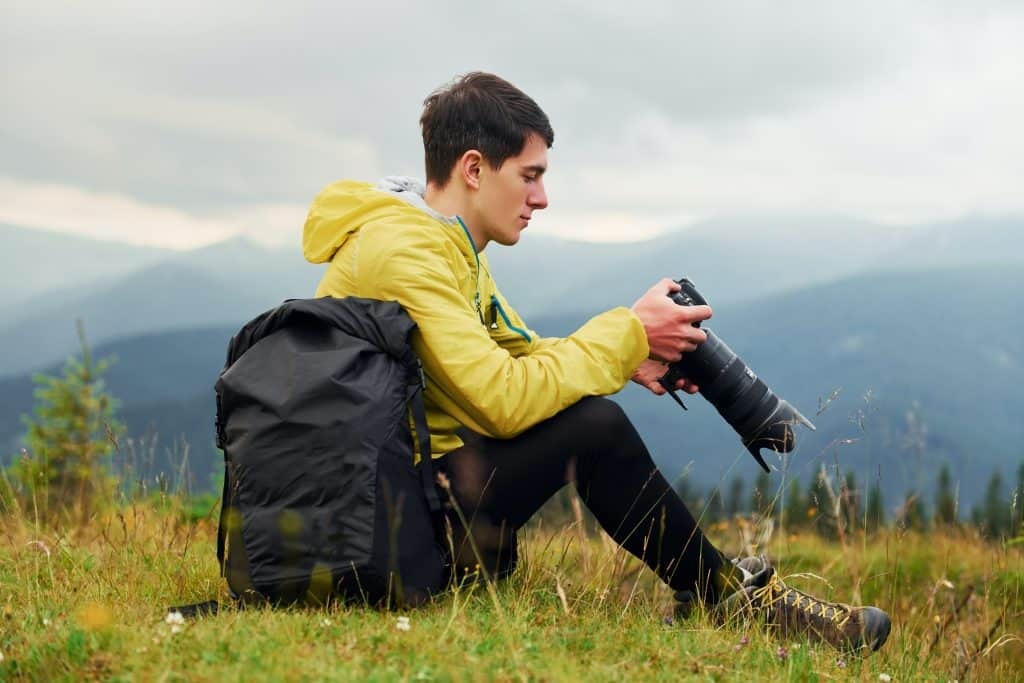
In conclusion, mastering the art of photography on overcast days opens up a realm of creative possibilities that allow you to capture striking images. By applying the techniques discussed, such as utilizing natural reflectors and managing color effectively, you can create photos that not only stand out but also tell compelling stories. Embrace the clouds, unleash your creativity, and let each shot reflect the beauty of the moment, no matter the weather.