How to Shoot Stunning Black and White Photos invites photography enthusiasts to delve into the timeless art of monochrome imagery. Black and white photography holds a unique place in the world of visual expression, evoking emotions and stories through contrasts and textures that color often obscures. This guide will explore essential techniques, from understanding the nuances of light and composition to selecting the right equipment and post-processing methods, ensuring that your journey into black and white photography is both enriching and transformative.
As you embark on this adventure, you’ll discover how the absence of color can accentuate the beauty of your subjects, allowing their forms and details to shine through. By learning from the masters and applying thoughtful techniques, you can create stunning images that resonate deeply with viewers.
Understanding Black and White Photography
Black and white photography is a powerful medium that transcends mere representation to evoke deep artistic expression. It allows photographers to harness the elements of light, shadow, and texture without the distraction of color. This genre has played a pivotal role in the history of photography, influencing artistic movements and shaping visual narratives across various cultures.The emotional impact of monochrome images often surpasses that of color photographs.
Black and white imagery emphasizes contrast and form, enabling viewers to engage with the subject matter on a more profound emotional level. By stripping away the complexities of color, these images can convey mood and atmosphere more effectively, inviting introspection and contemplation. Monochrome photography often evokes a sense of nostalgia, timelessness, and often, a stark reality that can resonate with the viewer’s own experiences.
Significant Contributions to Black and White Photography
Several renowned photographers have made significant contributions to the field of black and white photography, each bringing unique perspectives and techniques that have enriched the art form. Their works have become iconic, serving as inspirations for aspiring photographers. The following list highlights a few of these influential figures along with their notable contributions:
- Ansel Adams: Celebrated for his breathtaking landscapes and mastery of the zone system, Ansel Adams transformed the portrayal of nature through stunning black and white images that captured the grandeur of the American West. His work emphasizes the interplay of light and shadow, drawing attention to the intricacies of natural elements.
- Known as the father of photojournalism, Cartier-Bresson’s candid street photography captured the decisive moments of everyday life. His black and white images convey a raw authenticity, highlighting human emotions and interactions in an unfiltered manner.
- Richard Avedon: Avedon revolutionized portrait photography, using stark black and white contrasts to reveal the essence of his subjects. His iconic fashion photography and portraits often expose vulnerability and strength, creating a dialogue between the viewer and the subject.
- Irving Penn: Renowned for his still life and portraiture, Penn used black and white photography to explore the relationship between the subject and the background. His meticulous attention to detail and composition elevates the simplicity of monochrome, creating timeless works of art.
- Dorothea Lange: A pivotal figure in documentary photography, Lange’s black and white images during the Great Depression poignantly capture the struggles of American families. Her famous photograph “Migrant Mother” remains a powerful symbol of resilience and humanity.
Equipment and Settings for Black and White Photography
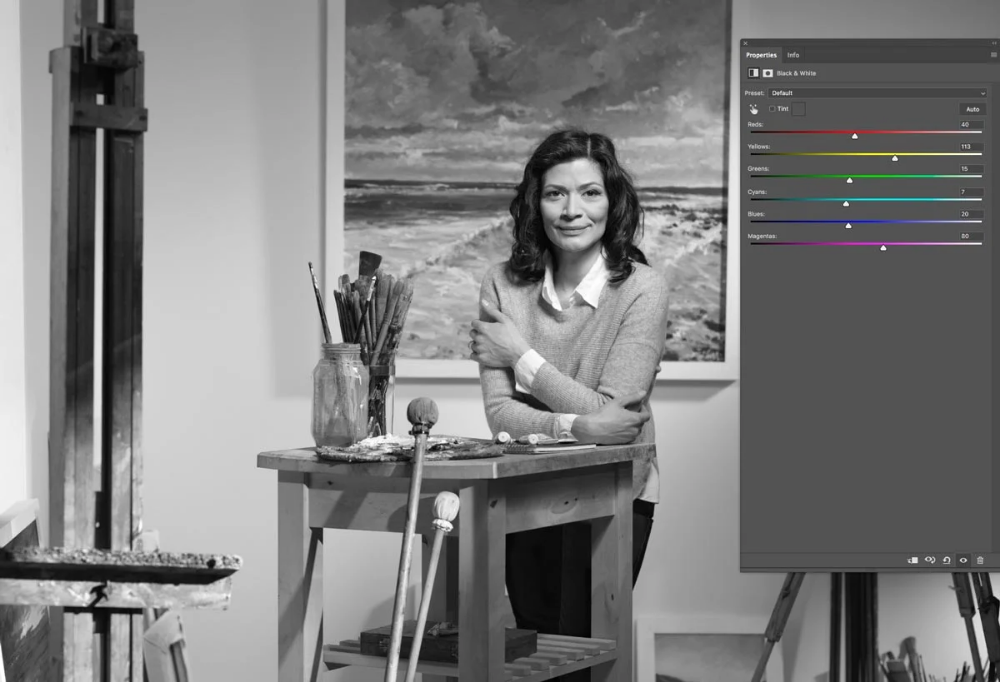
Black and white photography requires specific equipment and camera settings to capture stunning images. Understanding the intricacies of your camera and the lenses available can significantly enhance your monochrome photography experience. Selecting the right tools and settings allows photographers to create images that convey emotion and depth, emphasizing contrasts and textures that are often overlooked in color photography.Essential camera features that enhance black and white photography include the ability to shoot in RAW format, which preserves more detail and dynamic range in the image.
A camera with a wide ISO range is beneficial, allowing for better performance in various lighting conditions without introducing noise. Additionally, cameras with advanced metering systems help in achieving the desired exposure, which is critical in black and white photography to ensure that highlights and shadows are effectively balanced.
Recommended Lenses for Monochrome Images
Choosing the right lens is crucial for capturing sharp, detailed monochrome images. Several types of lenses can enhance the quality of your black and white photographs, each offering unique benefits depending on your subject and shooting conditions. Below is a list of recommended lenses that excel in black and white photography:
- Prime Lenses: Known for their sharpness and wide apertures, prime lenses like the 50mm f/1.8 and 85mm f/1.4 are ideal for portrait and street photography. Their ability to create beautiful bokeh enhances the separation between subject and background.
- Wide-Angle Lenses: Lenses such as the 24mm f/2.8 or 16-35mm f/4 are excellent for landscapes and architecture. They capture more of the scene and allow for dramatic compositions that highlight leading lines and textures.
- Telephoto Lenses: A 70-200mm f/2.8 lens is suitable for wildlife and sports photography, enabling you to capture subjects from a distance while maintaining detail and clarity essential for monochrome imagery.
Utilizing these lenses effectively can enrich the tonal range and depth of field in black and white photos, allowing for more expressive images.
Adjusting Camera Settings for Black and White Photography
Optimizing camera settings is vital for achieving the best results in black and white photography. Three main parameters—ISO, aperture, and shutter speed—play a significant role in determining the quality of the final image. When adjusting these settings, consider the following guidelines:
- ISO: Use a lower ISO setting (e.g., 100-400) to minimize noise, especially in bright lighting conditions. In low light, gradually increase the ISO while being mindful of noise levels.
- Aperture: A wider aperture (like f/1.8 or f/2.8) can create a shallow depth of field, drawing attention to the subject with a pleasing background blur. Conversely, a smaller aperture (like f/8 or f/11) increases depth of field, making it suitable for landscapes where you want everything in focus.
- Shutter Speed: Ensure your shutter speed is fast enough to prevent motion blur, particularly when shooting handheld. A general rule is to set the shutter speed to at least 1/focal length (e.g., 1/50 for a 50mm lens).
By optimizing these settings, photographers can enhance the contrast and detail in their black and white images, resulting in striking and memorable photographs.
Remember, the interplay of light and shadow is essential in monochrome photography; fine-tuning your settings will help you capture this dynamic.
Composition Techniques in Black and White Photography
In black and white photography, composition plays a critical role in conveying emotion and depth within an image. The absence of color emphasizes shapes, textures, and contrasts that can transform ordinary scenes into compelling visual narratives. Understanding and applying effective composition techniques is essential for creating striking monochrome images that resonate with viewers.One of the fundamental aspects of composition is the strategic arrangement of elements within the frame.
Techniques such as leading lines, symmetry, and patterns serve not only to enhance visual appeal but also to guide the viewer’s eye and create a sense of balance and harmony in the photograph.
Leading Lines in Black and White Photography
Leading lines are an effective composition technique that draws the viewer’s gaze toward the main subject or through the photograph. These lines can be natural, such as roads, rivers, or pathways, or they can be architectural elements like bridges or fences. When converted to black and white, leading lines can accentuate the interplay of light and shadow, adding depth to the image.
- Identify and emphasize strong lines present in your scene; their direction can create a dynamic flow.
- Use converging lines to direct the viewer toward the focal point, enhancing the sense of perspective.
- Experiment with angles and viewpoints to reveal hidden leading lines that may not be immediately apparent.
Symmetry and Patterns
Symmetry and patterns can create visually striking images in black and white photography. Symmetrical compositions often evoke a sense of stability and balance, while patterns can captivate viewers through repetition and rhythm. By isolating these elements, photographers can focus attention on the interplay of light and shadow.
- Look for naturally occurring symmetrical elements, such as reflections in water or architectural designs.
- Capture patterns in both natural and man-made environments, showcasing the beauty of repetition and contrast.
- Consider breaking symmetry intentionally to create tension or visual interest in an otherwise balanced composition.
Utilizing Negative Space
Negative space refers to the empty or unoccupied areas surrounding the main subject. Effectively utilizing negative space in black and white photography can enhance the overall composition by allowing the subject to breathe and stand out. This technique emphasizes the relationship between the subject and its surroundings, creating a stronger visual impact.
- Incorporate ample negative space to isolate the subject, enhancing its prominence in the image.
- Use negative space to create a sense of scale or depth, making the viewer more aware of the environment.
- Experiment with varying degrees of negative space to evoke different emotional responses from the viewer.
“In black and white photography, composition is the heartbeat of the image, transforming the ordinary into the extraordinary.”
Lighting and Contrast in Black and White Photography
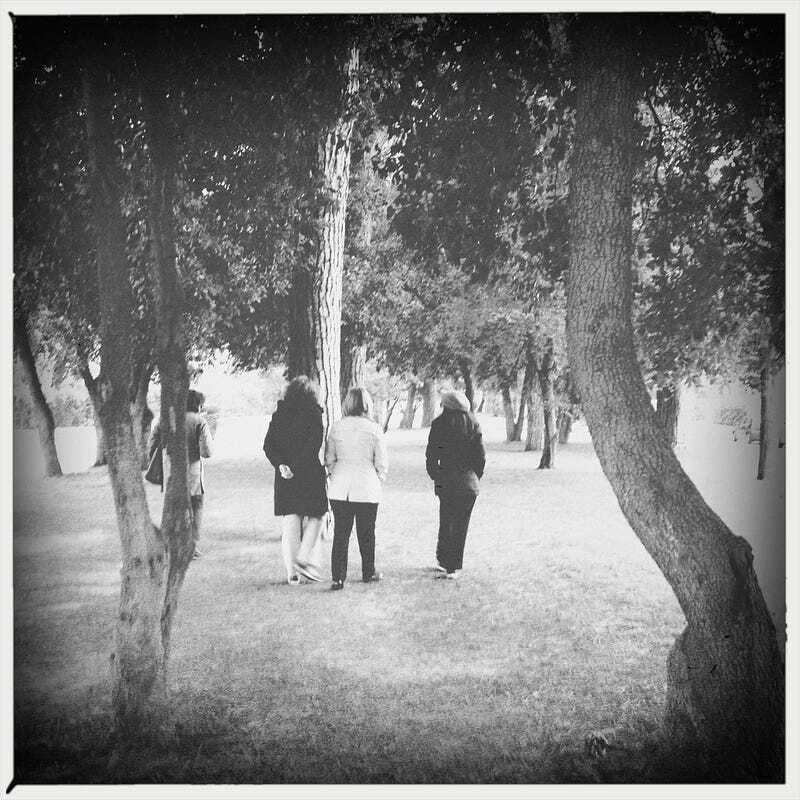
Lighting and contrast play crucial roles in black and white photography, influencing the mood, depth, and overall impact of an image. Understanding how various lighting conditions affect tonal ranges can significantly enhance the quality of your photographs. This section explores the effects of different lighting situations and the manipulation of contrast to achieve dramatic visuals.
Effects of Lighting Conditions
Different lighting conditions can either enhance or detract from the beauty of black and white photography. The quality, direction, and intensity of light directly influence how subjects are rendered in monochrome.
- Harsh Sunlight: This type of light produces deep shadows and bright highlights, creating strong contrast. While it can yield striking images, it’s essential to find balance to avoid losing detail in the highlights. Subjects with texture, such as weathered surfaces, can benefit from this lighting.
- Soft, Diffused Light: Overcast days provide soft light that minimizes harsh shadows and emphasizes mid-tones. This condition is ideal for capturing detailed textures and producing a subtle, serene effect. Portraits taken in this light often have a gentle quality, enhancing skin tones and features.
- Golden Hour: The hour after sunrise and before sunset offers warm, directional light that adds dimension and richness to black and white images. The long shadows during this time provide opportunities for dramatic compositions, enhancing the emotional tone of the photograph.
- Artificial Lighting: Studio lights or external flash can provide control over light direction and intensity. Using modifiers like softboxes can help create soft light, while bare bulbs can introduce stark contrasts, depending on the desired effect.
Manipulating Contrast for Dramatic Effect
Contrast is fundamental in black and white photography as it defines the visual strength of an image. By manipulating contrast, photographers can emphasize parts of the image and guide the viewer’s eye toward specific elements.
High contrast images highlight the differences between light and dark areas, creating a bold and striking composition.
- Using Filters: Applying colored filters in front of the lens can alter the contrast and mood of the scene. For example, a red filter darkens skies, enhancing cloud detail, while a yellow filter lightens skin tones and brightens landscapes.
- Post-Processing Techniques: Software such as Adobe Lightroom or Photoshop allows photographers to adjust contrast levels, enhance shadows, and bring out highlights. Techniques like dodging and burning can selectively lighten or darken areas to draw attention.
- Understanding the Histogram: Monitoring the histogram during shooting ensures that the exposure is balanced. A well-distributed histogram avoids clipping in shadows and highlights, preserving detail across the tonal range.
Shooting Tips for Various Lighting Situations
Adapting your shooting strategy to different lighting situations is crucial for capturing compelling black and white photographs. Here are some practical tips for different conditions:
- In Harsh Sunlight: Seek shaded areas or use reflectors to soften shadows. Consider backlighting your subject to create a halo effect, emphasizing Artikels and shapes.
- During Overcast Conditions: Take advantage of the diffused light to capture fine details. Focus on textures and patterns that can be enhanced through the use of contrast in post-processing.
- At Golden Hour: Position yourself to utilize the directional light for dynamic compositions. Experiment with silhouettes, where the subject is backlit, creating striking shapes against the softer, illuminated background.
- In Low Light Situations: Use a tripod to stabilize your camera for longer exposures. Higher ISO settings can introduce noise, so it’s essential to find a balance between sensitivity and image quality.
Post-Processing Techniques for Black and White Photos
Post-processing is a crucial step in the black and white photography workflow, as it allows photographers to shape their images and enhance their intended mood and message. The digital darkroom offers tools to manipulate various aspects of an image, such as tonal range, contrast, and texture, which are vital for creating stunning monochrome photographs. This section Artikels essential post-processing techniques tailored specifically for black and white photography.
Steps for Converting Color Images to Black and White
Converting color images to black and white can be accomplished using various editing software tools like Adobe Lightroom, Photoshop, or other similar applications. The following steps detail a typical workflow for achieving a polished black and white image:
1. Import the Image
Begin by importing your color image into your chosen editing software.
2. Open Black and White Conversion Tool
Navigate to the black and white conversion panel—this may be labeled as “Black & White” or “Desaturate” depending on the software.
3. Adjust Color Sliders
Use the color sliders to fine-tune the brightness of different colors. This allows you to control how each color is rendered in grayscale, providing more control over the final tonal ranges.
4. Apply Presets if Available
Many programs offer black and white presets that emulate classic film styles. Experiment with these to find a starting point that resonates with your vision.
5. Finalize the Conversion
Once satisfied, confirm the conversion and move on to further adjustments.
Adjusting Brightness, Contrast, and Sharpness
The impact of brightness, contrast, and sharpness on monochrome images cannot be overstated, as these adjustments significantly enhance the visual narrative of the photograph. The following steps Artikel effective techniques for optimizing these elements:
Brightness
Adjust the overall brightness to ensure that the highlights and shadows coexist harmoniously. Overly bright images can lose detail, while overly dark images may obscure essential elements. Slide controls or curves can assist in achieving the desired effect.
Contrast
Increasing contrast typically adds depth to black and white images. Use the contrast slider or curve adjustments to heighten the difference between light and dark areas, creating a more dynamic range.
Sharpness
Enhancing sharpness can bring out finer details and textures in an image. Utilize the sharpening tool to apply just enough sharpness without introducing noise or artifacts. A good practice is to zoom into 100% to assess the effectiveness of your adjustments.
Adding Grain and Textures
Incorporating grain or textures is an essential technique for achieving a classic film look in black and white photography. This can evoke a sense of nostalgia, helping to transport viewers to earlier photographic eras. Below are methods to convincingly add grain and texture:
Using Film Grain Effects
Many editing programs provide filters or effects specifically designed to mimic film grain. These options often allow you to adjust the size, intensity, and distribution of the grain to suit your aesthetic preferences.
Overlaying Textures
You can also import texture images, such as film grain or paper textures, and overlay them onto your photograph. Set the layer to a blending mode such as “Overlay” or “Soft Light” and adjust the opacity to achieve a subtle effect.
Adjusting Opacity and Blending
Fine-tune the opacity of the grain or texture layer to match the desired vintage look. The goal is to enhance the image without overwhelming the original details or quality.By mastering these post-processing techniques, photographers can elevate their black and white images, adding depth, emotion, and character that resonates with viewers.
Creative Approaches to Black and White Photography
Black and white photography presents a unique opportunity for creativity and expression. By stripping away color, photographers are often able to highlight form, texture, and emotion in ways that color images might not capture. This section explores unconventional subjects, storytelling techniques, and themes that lend themselves particularly well to monochrome imagery, enhancing the depth and impact of the photographs.
Unconventional Subjects that Work Well in Black and White
While landscapes and portraits are common subjects in photography, black and white imagery can elevate a diverse range of unconventional subjects. This approach can bring attention to details that may be overlooked in color. Examples of compelling subjects include:
- Urban Architecture: The stark lines and shadows of buildings create a dramatic effect, emphasizing structure and design.
- Textures and Patterns: Close-ups of natural materials like wood, stone, and fabric can reveal intricate details that tell a story when presented in monochrome.
- Street Scenes: Capturing candid moments of daily life in bustling urban environments can convey raw emotion and atmosphere without distractions.
- Still Life: Arranging everyday objects in a thoughtful composition can create a narrative and provoke thought, with contrasts in light and shadow enhancing the impact.
Telling a Story through Monochrome Imagery
The power of black and white photography lies in its ability to convey emotions and narratives without the influence of color. When capturing images, consider the following techniques to effectively tell a story:
- Focus on Emotions: Use facial expressions and body language to evoke feelings, allowing the viewer to engage with the subject on a deeper level.
- Dynamic Composition: Utilize leading lines and framing to guide the viewer’s eye and immerse them in the story being portrayed.
- Play with Light and Shadow: High contrast images can create tension, while soft gradations can evoke serenity, each setting the tone for the narrative.
- Contextual Elements: Including background elements that provide context can enhance the story, making the viewer ponder the relationship between subjects and their environment.
Themes Explored in Black and White Photography
Various themes can be effectively explored through black and white photography. These themes often resonate with audiences, inviting them to consider deeper meanings. Some notable examples include:
- Isolation and Loneliness: Images capturing solitary figures in vast spaces can evoke feelings of solitude, prompting viewers to reflect on their own experiences of isolation.
- Time and Memory: Using aged or weathered objects can symbolize the passage of time, creating a nostalgic connection for the viewer.
- Nature’s Elements: The interplay of light and shadow in natural settings can reveal the beauty of landscapes and wildlife, emphasizing the rawness of nature.
- Societal Issues: Monochrome photography can be a powerful medium for addressing social themes, such as poverty or injustice, as it often strips away distractions and focuses on the stark realities.
Common Mistakes in Black and White Photography
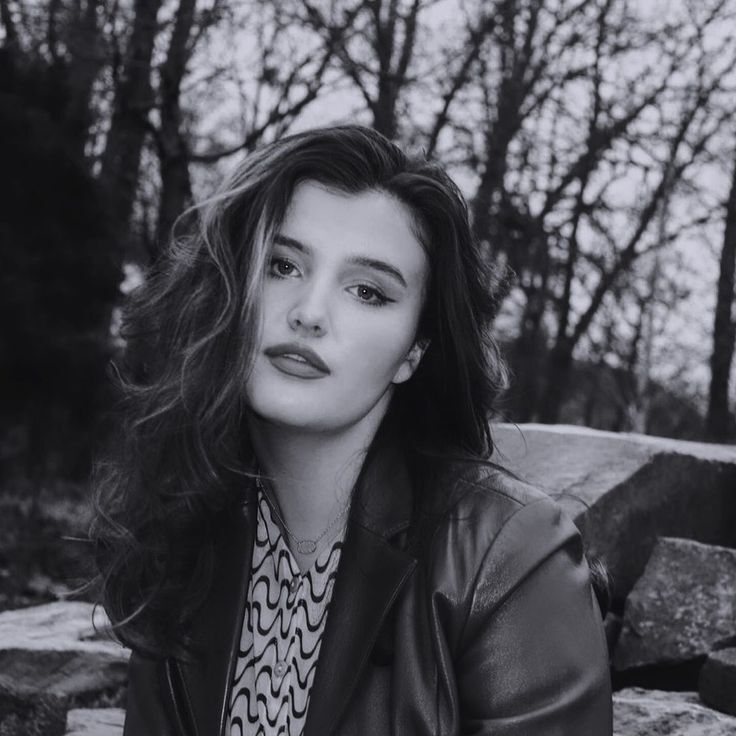
The art of black and white photography presents unique challenges and opportunities for photographers. Despite its beauty and simplicity, many photographers make common mistakes that can compromise the quality of their images. Recognizing these pitfalls is essential for improving one’s craft and achieving striking black and white photographs.An understanding of the frequent errors in black and white photography can lead to significant improvements in image quality.
By being aware of these mistakes and implementing corrective strategies, photographers can elevate their work. Mastery in this genre requires not only technical skill but also creative vision, making practice and experimentation vital components of growth.
Overlooking Textures and Patterns
One of the prevalent mistakes in black and white photography is neglecting the importance of textures and patterns. Unlike color photography, which often relies on vibrant hues to attract attention, black and white images depend heavily on the interplay of light, shadow, and texture to convey depth and interest.To avoid this mistake, photographers should actively seek out subjects with distinct textures, such as weathered surfaces, intricate patterns, and varying materials.
This approach can be further enhanced by experimenting with different angles and lighting conditions to highlight textures effectively.
“In black and white photography, textures tell a story that colors may obscure.”
Failing to Control Contrast Effectively
Another common error is the improper management of contrast. Black and white images often require a careful balance of highlights and shadows to avoid flat or dull photographs. Insufficient contrast can render images lifeless, while excessive contrast can lose important details in the highlights or shadows.Photographers should consider the following strategies to control contrast effectively:
- Utilize histograms to assess exposure and ensure a full range of tones.
- Experiment with filters, such as red and yellow filters, to enhance contrast during shooting.
- Practice adjusting contrast in post-processing to fine-tune each image’s tonal range.
Ignoring the Importance of Light
Light is a fundamental element in all forms of photography, but in black and white photography, it takes on an even more critical role. Many photographers mistakenly shoot in poor lighting conditions, which can lead to unappealing results. To harness the power of light effectively, photographers should:
- Explore various lighting conditions, such as golden hour, to capture dynamic tones.
- Use side lighting to enhance shadows and textures.
- Experiment with backlighting for dramatic effects that create strong silhouettes.
Neglecting to Utilize Post-Processing Techniques
Many photographers fail to leverage post-processing techniques that can significantly enhance black and white images. Editing software offers powerful tools for adjusting exposure, contrast, and tonal range, which can elevate a good photograph to a stunning one.Incorporating the following post-processing practices can enhance the final image:
- Convert color images to black and white using software that allows for tonal adjustments.
- Utilize dodge and burn techniques to refine highlights and shadows.
- Adjust the clarity and sharpness to enhance texture without compromising the image’s overall appearance.
Insufficient Practice and Experimentation
Lastly, a common mistake among photographers is a reluctance to practice and experiment. Mastery of black and white photography requires dedication and an open mind to explore different techniques and styles. Photographers should commit to regular practice by:
- Setting aside time to shoot specifically in black and white.
- Challenging themselves to find creative solutions to common problems.
- Reviewing and analyzing their work to understand what works and what doesn’t.
Inspiration and Resources for Black and White Photography
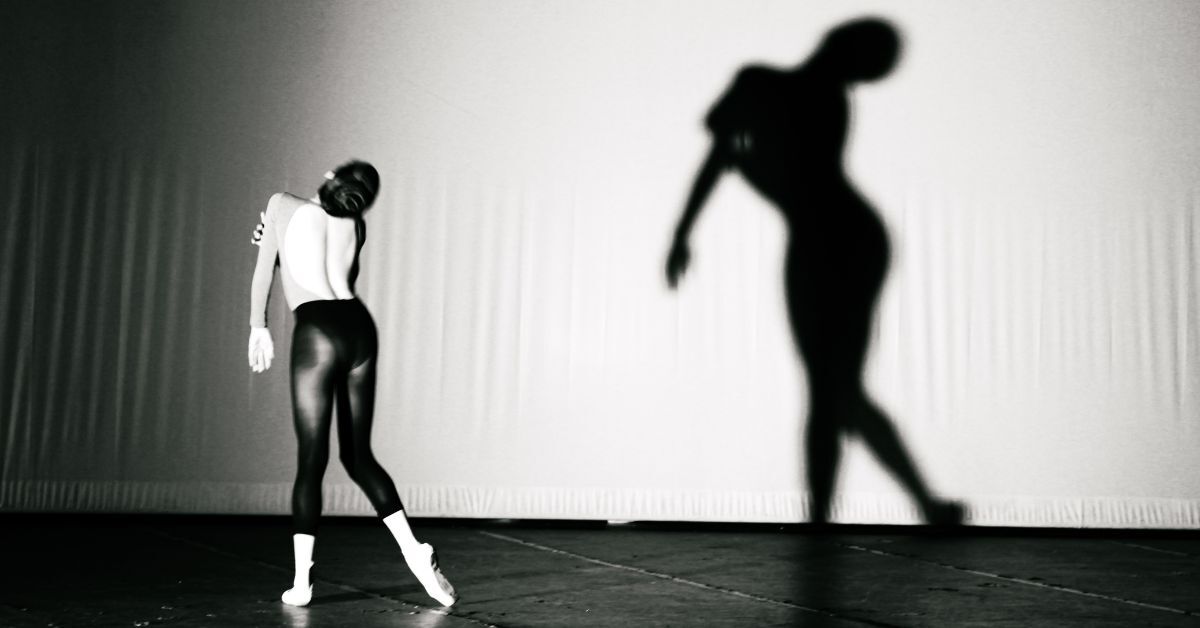
Black and white photography possesses a timeless quality that can evoke deep emotions and highlight the essence of a subject. To enhance your appreciation and skills in this medium, it is beneficial to explore various sources of inspiration and knowledge. This section provides a curated list of influential literature, online communities, and the significance of photography exhibitions in fostering creativity and understanding within the realm of black and white photography.
Influential Books and Documentaries on Black and White Photography
Engaging with literature and visual media can significantly inform your approach to black and white photography. Below are noteworthy books and documentaries that provide profound insights into this artistic form:
- “The Negative” by Ansel Adams
-A foundational text that delves into the technical aspects of black and white photography, as well as personal philosophies. - “Looking at Photographs” by John Szarkowski
-This book offers an analysis of works from various photographers, focusing on composition and the emotive power of black and white imagery. - “The Photographic Truth” directed by John Szarkowski
-A documentary that showcases the evolution and significance of photography as an art form, highlighting black and white works. - “The Art of Black and White Photography” by John B. Williams
-A practical guide that includes tips on techniques, equipment, and artistic considerations.
Online Communities and Forums for Black and White Photographers
Participating in online communities offers photographers the opportunity to share their work, receive feedback, and connect with like-minded individuals. Here are some notable platforms dedicated to black and white photography:
- Flickr
-A popular platform where photographers can create galleries of their black and white images and join groups focused on monochrome photography. - Instagram
-Utilizing hashtags such as #blackandwhitephotography allows users to explore a vast array of black and white images and engage with other photographers. - The Black and White Photography Group on Reddit
-A forum that encourages discussions, critiques, and sharing of black and white photography projects. - Photo.net
-An established online community that includes forums and articles specifically related to black and white photography techniques and discussions.
The Role of Photography Exhibitions in Gaining Inspiration
Photography exhibitions serve as an integral part of understanding and appreciating black and white photography. They provide a platform for both emerging and established photographers to showcase their work in a curated environment. Visiting these exhibitions can inspire new ideas and approaches, as well as foster a sense of community within the photographic world.
“Exhibitions challenge photographers to present their best work and encourage the viewer to engage with the nuances of black and white imagery.”
Attending exhibitions allows photographers to experience the scale and texture of prints that cannot be fully appreciated in digital formats. The emotional impact of seeing a work in-person can spark creativity and motivate photographers to explore new themes or styles within their own practice. Additionally, discussions with artists and other attendees can lead to valuable insights and collaborations.
Final Review
In conclusion, mastering the art of black and white photography is not just about technical skills, but also about conveying emotions and narratives through your images. By understanding the importance of composition, light, and post-processing, you can elevate your photography to new heights. Remember, practice and experimentation are key to finding your unique voice in this captivating medium. With determination and creativity, you will create unforgettable monochrome photographs that leave a lasting impression.