Delving into How to Hold Your Camera for Sharper Photos, this introduction immerses readers in a unique and compelling narrative. Achieving clarity in photography largely hinges on one crucial factor: camera stability. Understanding how to properly hold your camera not only enhances the sharpness of your images but also elevates your overall photography skills, making each shot a true reflection of your artistic vision.
Mastering the art of camera handling involves several key techniques, from correct hand positioning to effective body mechanics. By exploring these fundamentals, photographers can significantly reduce camera shake, achieve greater clarity, and fully utilize their camera’s capabilities.
Importance of Camera Stability
Camera stability plays a crucial role in achieving sharp and clear photographs. It is essential for photographers to understand the significance of stabilizing their camera to minimize unwanted movement, which can detract from image quality. In situations where light is scarce or when using slower shutter speeds, the impact of camera shake becomes even more pronounced, underscoring the need for proper shooting techniques.Camera shake is often the unseen culprit behind blurry images.
When the camera is not held steady, even the slightest movement can cause distortions in the captured photograph. This is particularly critical when shooting at slower shutter speeds, as any motion can result in a lack of sharpness. For example, when using a shutter speed of 1/15 of a second or slower, the likelihood of motion blur increases significantly if the camera is not securely held.
Understanding how to mitigate this can dramatically enhance the quality of your work.
Benefits of Correct Camera Holding Techniques
Holding the camera correctly not only enhances stability but also contributes to overall clarity in photographs. The following points illustrate the advantages of adopting proper camera holding techniques:
Enhanced Control
Proper grip allows for better control over the camera’s movements, making it easier to frame shots accurately.
Reduced Fatigue
A comfortable hold reduces physical strain, enabling longer shooting sessions without discomfort, which can lead to better focus and creativity.
Improved Focus
A stable camera ensures that the focus remains sharp, particularly in low-light situations where precision is paramount.
Versatile Shooting Angles
A firm grip enables photographers to experiment with various angles and compositions without compromising stability.Incorporating these techniques can lead to noticeable improvements in image quality. For instance, when utilizing a tripod or other stabilizing equipment, photographers can achieve longer exposures without the risk of blur, thus capturing more detailed and vibrant scenes. Furthermore, investing time to practice these techniques can significantly elevate one’s photographic skills, resulting in images that are more dynamic and visually appealing.
“Stability is the foundation of clarity in photography.”
Correct Hand Positioning
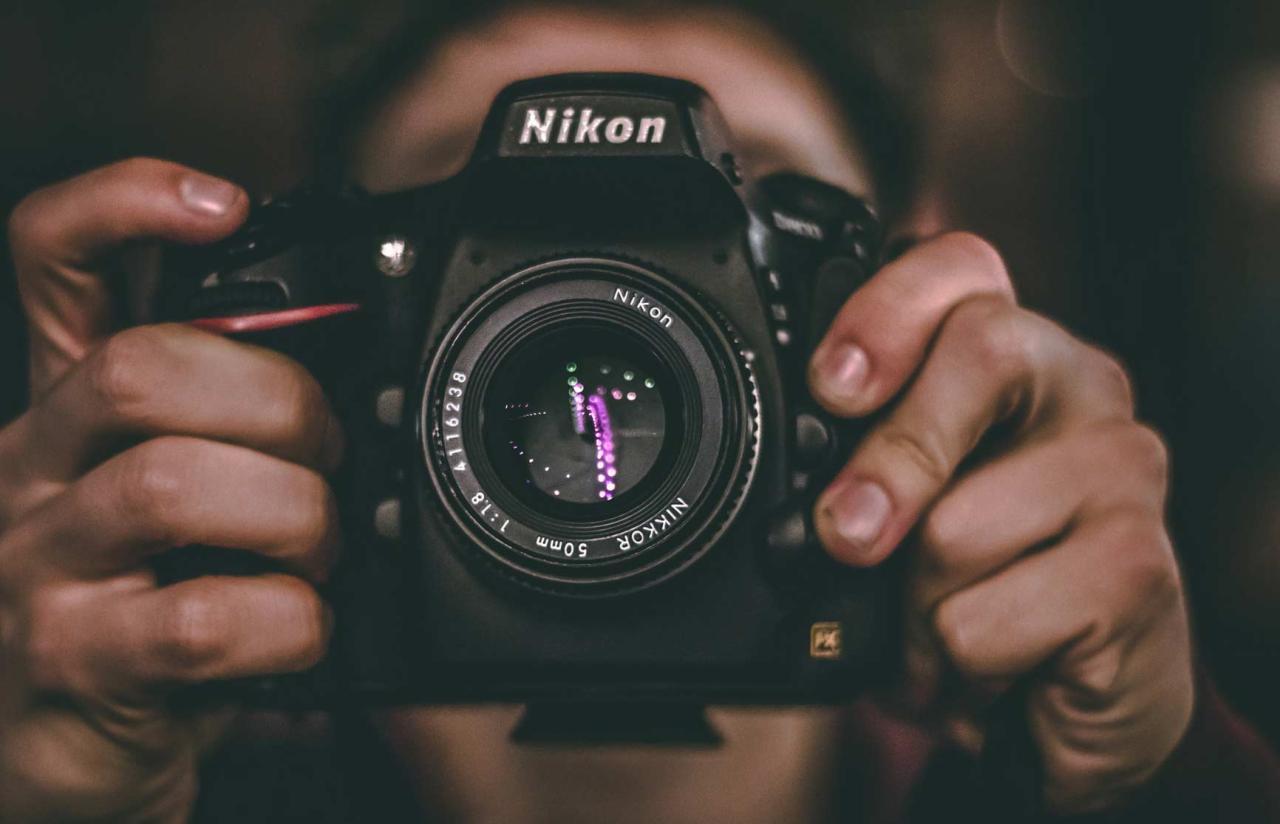
The way you hold your camera significantly influences the sharpness of your photos. Proper hand positioning is essential for achieving stability and control while shooting. By mastering the art of gripping your camera, you can minimize the risk of blurriness and ensure that your images are crisp and clear.To hold a camera effectively, it is important to adopt a secure grip that allows for flexibility and comfort during photography sessions.
A stable hand position not only aids in reducing camera shake but also helps you maintain balance while composing your shot. Here are some key techniques for achieving the correct hand positioning:
Secure Grip Techniques
Establishing a secure grip on your camera body is paramount to maintaining stability. The following techniques will guide you in forming an optimal hand position when holding your camera:
- Use Your Dominant Hand: Position your dominant hand on the camera grip, ensuring that your index finger naturally rests on the shutter button. This allows for quick access when you are ready to take a shot.
- Support with Your Other Hand: Use your non-dominant hand to support the lens. Place it under the lens barrel, which helps to balance the weight of the camera and prevents it from tipping forward.
- Elbows Tucked In: Keep your elbows close to your body. This minimizes movement and provides extra stability while shooting, especially in challenging conditions or longer exposure settings.
- Firm but Relaxed Grip: While it’s crucial to have a firm grip on your camera, avoid squeezing too tightly. A relaxed grip can prevent fatigue and allow for smoother movements when composing your shot.
Finger placement on the shutter button plays a critical role in the overall experience of capturing images. Positioning your index finger correctly ensures that you can easily press the shutter without introducing additional shake. It is recommended to lightly rest your finger on the shutter button so that you are poised to shoot when the moment arises. Incorporating these techniques will enhance your camera handling, leading to sharper and more professional-looking photographs.
Understanding the importance of proper hand positioning creates a solid foundation for further photographic skills and techniques.
Body Stability Techniques
Maintaining body stability is essential for achieving sharper photos, as it directly influences the steadiness of your camera. By employing certain techniques, photographers can significantly reduce camera shake and capture clearer images. This section explores various methods to stabilize the body while shooting, emphasizing the importance of body mechanics and posture in photography.
Methods to Stabilize the Body While Shooting
A strong foundation in body stability is vital for any photographer, especially when working in dynamic environments or with longer exposure times. The following techniques can enhance stability and support while shooting:
- Adopting a Stable Stance: Stand with your feet shoulder-width apart, distributing your weight evenly on both legs. This position lowers your center of gravity, which provides a solid base for steady shots.
- Using Your Body as a Brace: Lean against a wall or a sturdy object if available, allowing your body to provide additional support. Alternatively, you can use your own body by tucking your elbows close to your torso for extra stability.
- Engaging Core Muscles: A strong core is crucial for maintaining balance and stability. Engage your abdominal muscles while shooting to create a firmer foundation, reducing the likelihood of shake during the capture.
- Utilizing a Tripod or Monopod: When conditions allow, incorporating a tripod or monopod can dramatically enhance stability. These tools help to eliminate shake, especially in low-light situations or with longer focal lengths.
Using Body Mechanics for Support
Effective body mechanics play a significant role in achieving stability during photography. Proper alignment and movement can contribute to reducing stress on joints and minimizing fatigue over prolonged shooting sessions.
The optimal use of body mechanics ensures that your camera remains steady, reducing the chances of motion blur.
Key techniques include the following:
- Elbow Lock Technique: Lock your elbows against your body to create a stable platform for your camera. This position minimizes movement and enhances control.
- Breathing Control: Your breathing pattern impacts camera stability. Take a deep breath, hold it gently while pressing the shutter, and then exhale slowly. This technique helps minimize shake during the moment of capture.
- Shifting Weight: If you need to adjust your position, shift your weight from one leg to the other instead of moving your upper body. This method helps maintain a consistent center of gravity.
- Adjusting Grip: Maintain a firm yet relaxed grip on the camera. Tension in your hands can translate into shake, so ensure that your fingers are wrapped securely, yet not excessively tight.
Importance of Posture During Photography
Posture is a crucial aspect of body stability, as it affects not only the steadiness of the camera but also the photographer’s endurance and comfort during shoots. Adopting an appropriate posture can prevent strain and fatigue, allowing for longer shooting sessions without discomfort. To maintain good posture:
- Keep Your Back Straight: Avoid slouching; instead, keep your back straight and shoulders relaxed. This alignment helps distribute weight evenly and reduces unnecessary strain.
- Position the Camera at Eye Level: Adjust your stance or use a tripod to bring the camera to eye level rather than bending over. This maintains a natural posture and reduces fatigue in your neck and back.
- Switch Positions Regularly: To prevent stiffness, change your shooting position frequently. Alternate between standing and kneeling, or change your leg positions to promote circulation and comfort.
Use of Tripods and Supports
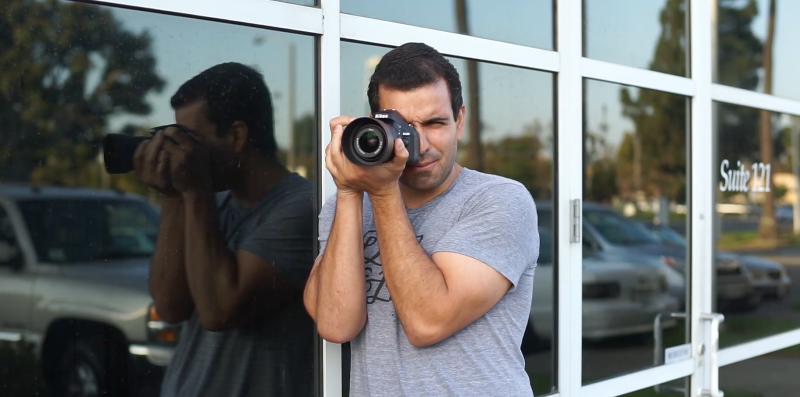
Using a tripod or camera support can significantly enhance the sharpness and clarity of your photos. These devices provide stability that is often difficult to achieve through handheld shooting, especially in low-light conditions or when using longer focal lengths. By eliminating camera shake, tripods become essential tools for photographers who wish to capture crisp, clear images.Tripods come in various shapes and sizes, each suited for different types of photography.
Their ability to provide stability is complemented by their flexibility to adapt to different shooting environments. In low light situations, for instance, a tripod allows for longer exposure times without the risk of blurring. Additionally, employing a tripod can facilitate precise composition and framing, allowing photographers to focus on creative aspects rather than the technicalities of holding the camera steady.
Types of Camera Supports
A variety of camera supports are available, each with distinct advantages based on specific needs. Understanding their differences is crucial for making an informed choice. Here are some commonly used camera supports:
- Tripods: Ideal for long exposures and landscape photography, providing maximum stability.
- Monopods: Offer mobility and quick setup, suitable for sports or wildlife photography where movement is frequent.
- Gimbals: Primarily used for video, they stabilize the camera while allowing for smooth movement.
- Bean Bags: Provide support for low-angle shots or uneven surfaces, allowing for creative positioning.
The choice of camera support depends on the specific requirements of the photographer. For example, a travel photographer may prefer a lightweight tripod or a monopod for easy portability, while a studio photographer may opt for a heavier, more robust tripod to ensure stability during long sessions.
| Tripod Model | Weight Capacity | Weight | Height Range | Material | Price |
|---|---|---|---|---|---|
| Manfrotto Befree Advanced | 8.8 lbs | 3.5 lbs | 16.9″ – 59.1″ | Aluminum | $199.99 |
| Gitzo Series 1 Traveler | 39.7 lbs | 3.5 lbs | 10.8″ – 61.4″ | Carbon Fiber | $599.99 |
| Vanguard Alta Pro 263AT | 15.4 lbs | 5.1 lbs | 20.5″ – 68″ | Aluminum | $179.99 |
| Joby GorillaPod 5K | 11 lbs | 1.5 lbs | Varies (Flexible) | Rubber/Plastic | $99.95 |
Each of these tripod models has unique characteristics that cater to different photography styles and requirements. The Manfrotto Befree Advanced, for example, is compact and lightweight, making it ideal for travel photographers, while the Gitzo Series 1 Traveler offers exceptional stability for professional use. Selecting the right support can greatly enhance your photographic capabilities, allowing for sharper and more dynamic images.
Breathing Techniques
![[Infographic] 5 Tips on How to Hold Your Camera | Learn Photography by ...](https://gampangin.web.id/wp-content/uploads/2025/09/infographic-5-tips-on-how-to-hold-your-camera.jpg "[Infographic] 5 Tips on How to Hold Your Camera | Learn Photography by ...")
Breath control is an often-overlooked element in achieving sharper photographs. The act of breathing, while natural, can introduce movement in your body that may impact the steadiness of your camera. Understanding how to manage your breath can significantly enhance the sharpness of your images.Breath control can influence photo sharpness by reducing the chances of micro-movements during the critical moment of capturing an image.
When you breathe, your body moves slightly, which can lead to a slight shift in the camera’s position. Consequently, mastering breathing techniques is essential for maintaining stability and focus while shooting.
Breath Control Techniques
Implementing effective breathing techniques can greatly benefit your photography. The following methods will assist you in controlling your breath while shooting, thereby enhancing your image sharpness:
1. Breathe Deeply Before Shooting
Take a few deep breaths to calm your nerves and stabilize your body. Deep breathing reduces tension and helps maintain a steady camera position.
2. Exhale When Pressing the Shutter
Timing your breath is crucial. It is often recommended to exhale just before you press the shutter. This momentarily stabilizes your body and minimizes movement, allowing for a crisper image.
3. Practice the “Pause” Technique
After inhaling, hold your breath for a brief moment before exhaling and taking the shot. This pause can provide extra stability as the air is held in, reducing any movement.
4. Use the Natural Rhythm of Breathing
Sync your shooting with the natural rhythm of your breath. Taking a shot at the end of an exhale, when your body is at its most stable, can help in obtaining clearer images.
5. Develop Awareness of Your Body
Cultivating a sense of awareness about how your breathing impacts your body position and the camera can help in improving your shooting technique. Remember that even slight movements can result in less sharp images.These techniques not only improve technical aspects of photography but also enhance the overall experience, allowing for a more mindful approach to capturing images.
Shutter Speed and Its Impact
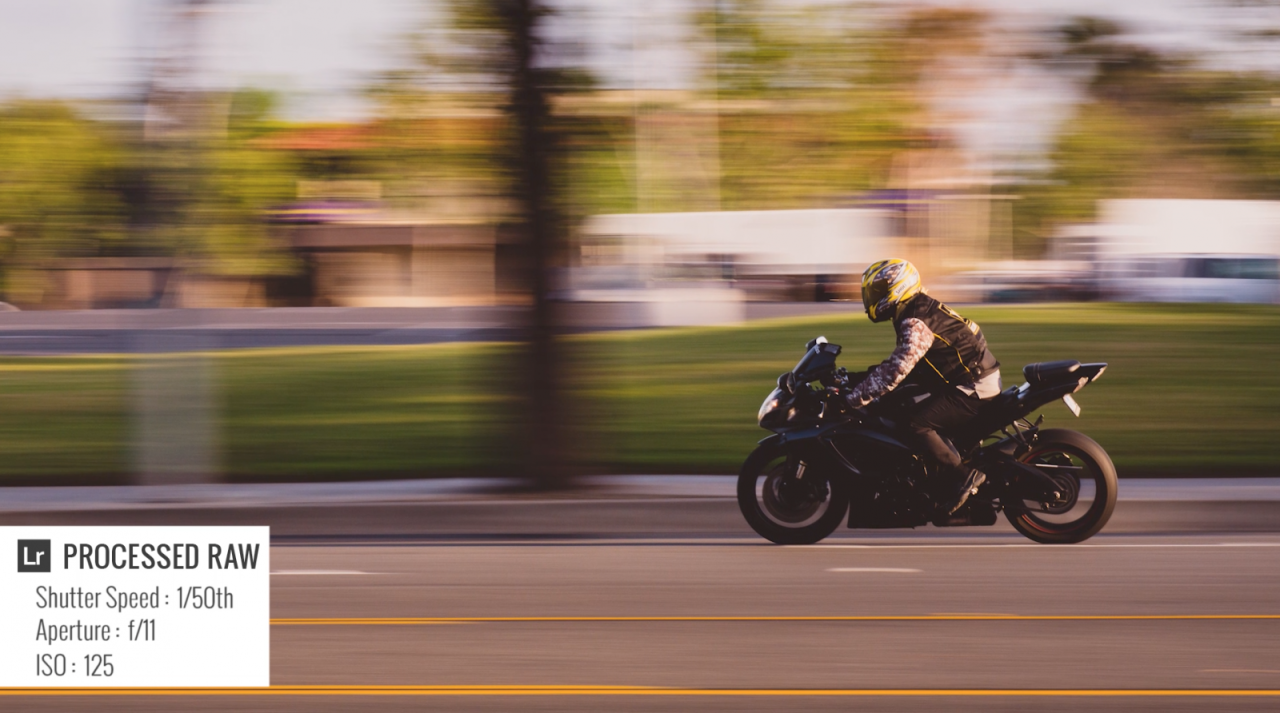
Shutter speed plays a crucial role in determining the sharpness of a photograph. It refers to the amount of time that the camera’s shutter remains open to expose light onto the camera sensor. Understanding the relationship between shutter speed and image sharpness is essential for photographers aiming to capture crisp, clear images in various conditions.The impact of shutter speed on photo sharpness is profound.
A faster shutter speed can freeze motion, reducing the potential for blurriness caused by camera shake or subject movement. Conversely, a slower shutter speed may result in motion blur, particularly if the camera is not stabilized effectively. This relationship necessitates careful consideration of hand-holding techniques, as the stability of the camera during exposure significantly influences the final image quality.
Recommended Shutter Speeds for Different Conditions
Selecting an appropriate shutter speed is vital for achieving the desired sharpness in photographs. Various conditions necessitate different shutter speeds based on factors such as available light, subject motion, and the stabilization methods employed. Below are some recommended shutter speeds for specific scenarios:When photographing stationary subjects in ample light, a shutter speed of 1/125 seconds or faster is often sufficient to achieve sharp images.
In lower light conditions, such as indoors or during twilight, photographers may need to use slower shutter speeds, ranging from 1/60 seconds to 1/15 seconds, while employing stabilization techniques such as proper hand positioning and body stability.For moving subjects, the required shutter speed increases. Capturing fast-moving subjects like athletes or wildlife may necessitate shutter speeds of 1/500 seconds or faster to ensure clarity.
In contrast, to create a sense of motion in a photograph, intentional motion blur can be achieved using slower shutter speeds, such as 1/30 seconds or longer, while ensuring the camera remains stable.
“Understanding your environment and adjusting your shutter speed accordingly is key to capturing sharper images.”
In summary, mastering shutter speed not only influences the sharpness of photos but also enhances the photographer’s ability to creatively express movement and stillness within their images.
Advanced Techniques for Sharper Photos
In the pursuit of capturing sharper images, professional photographers employ a variety of advanced camera holding techniques and utilize modern technology effectively. These practices not only enhance the sharpness of photographs but also improve overall image quality, essential for both amateur and seasoned photographers.
Modern cameras come equipped with sophisticated image stabilization (IS) features that help reduce the effects of camera shake, particularly in challenging shooting conditions. Understanding how to leverage these functionalities alongside proper holding techniques is crucial for achieving maximum sharpness. Below are some advanced camera holding techniques and tips that professionals often use.
Professional Camera Holding Techniques
To enhance the sharpness of photos, professionals adopt several advanced camera holding techniques, including:
1. The Tuck Method
This technique involves tucking your elbows close to your body to create a stable platform while supporting the camera with both hands. This minimizes movement and allows for better control.
2. The Lean Technique
Leaning against a stable object such as a wall or a tree can provide additional support. This technique is particularly useful in low-light situations where slower shutter speeds are required.
3. The Grip Technique
Utilizing the camera grip correctly by wrapping your fingers securely around the grip and using your thumb to stabilize the camera can significantly reduce shake, especially with heavier cameras or lenses.
4. Using Your Body as a Stabilizer
Positioning your body in a stable stance, with feet shoulder-width apart and body slightly bent, creates a strong base for camera holding. This stance allows for better weight distribution and balance.
Utilization of Image Stabilization Features
Modern cameras often come with various image stabilization technologies, such as Optical Image Stabilization (OIS) and In-Body Image Stabilization (IBIS). These features minimize the impact of camera shake and enhance the sharpness of images in the following ways:
OIS
This system compensates for small movements during handheld shooting, particularly at slower shutter speeds, providing sharper images in low-light conditions or while zooming.
IBIS
Found in many mirrorless cameras, IBIS stabilizes the image sensor itself, effectively counteracting motion in all directions, which further aids in achieving sharper photos.
Tips for Achieving Maximum Sharpness
To optimize sharpness in various shooting scenarios, consider the following tips:
Incorporating these techniques can greatly improve the sharpness of your photographs, regardless of the shooting conditions.
- Use a fast shutter speed: When shooting moving subjects, increase the shutter speed to prevent motion blur.
- Enable image stabilization: Always use your camera’s stabilization features, especially in low-light settings.
- Utilize proper focus techniques: Ensure that you are focusing on the correct area of your composition, and consider using manual focus for precise control.
- Use a solid tripod: When shooting landscape or architectural photography, a sturdy tripod can make a significant difference in obtaining sharp images.
- Implement focus stacking: For macro photography, focus stacking can help achieve greater depth of field while maintaining sharpness throughout the image.
- Minimize lens flare: Use lens hoods or circular polarizers to prevent unwanted light from affecting image sharpness.
- Maintain a clean lens: Regularly clean your lens to avoid dirt or smudges that can degrade image quality.
Common Mistakes to Avoid
In the pursuit of capturing sharper photographs, photographers often overlook critical techniques related to camera handling. Understanding and correcting these common mistakes can significantly improve the clarity and quality of images. This section details frequent errors encountered when holding a camera and offers practical solutions to enhance stability and reduce blurriness in photos.
Improper Grip Techniques
One of the most prevalent mistakes is an incorrect grip on the camera. A loose or awkward grip can lead to instability, resulting in blurred images. Photographers should aim to hold the camera firmly but gently, distributing their weight evenly across the camera body. To correct improper grip techniques, consider the following tips:
- Ensure your right hand wraps around the grip while your index finger is positioned over the shutter button.
- Use your left hand to support the lens, holding it from underneath to provide additional stability.
- Maintain a relaxed posture to prevent unnecessary tension that could lead to shaking.
An example of improper grip can be seen when a photographer attempts to shoot with one hand while holding their phone or other items in the other. This often results in a shaky image, clearly visible in the blurred edges of the photo.
Lack of Body Stability
Many photographers neglect their body positioning, which is critical for achieving stability. Standing with feet too close together or leaning against an unstable surface can cause movement during exposure, leading to a lack of sharpness.To enhance body stability, implement these techniques:
- Stand with your feet shoulder-width apart to create a solid base.
- Engage your core muscles; this naturally steadies your upper body.
- Utilize walls or sturdy objects for support when necessary.
A practical scenario illustrating this mistake can occur when shooting in crowded areas. A photographer might lean on nearby structures, causing inadvertent shifts that result in blurred images.
Inconsistent Breathing
Breathing techniques are often overlooked but are crucial for maintaining stability. Inconsistent breathing can lead to unintended movements, particularly during the moment of exposure.To manage breathing effectively, follow these suggestions:
- Practice taking a deep breath, then exhale slowly before pressing the shutter.
- Hold your breath briefly as you capture the image to minimize movement.
- Consider timing your shots between breaths for added stability.
For example, during wildlife photography, an excited photographer may inadvertently breathe erratically, resulting in blurred photos of a fleeting moment.
Ignoring Shutter Speed Considerations
A common oversight is not adjusting the shutter speed according to the amount of light available and the focal length of the lens. Using a shutter speed that is too slow can lead to motion blur, especially with handheld shots.To align shutter speed with the conditions, follow these principles:
- Use a faster shutter speed when shooting in lower light conditions to prevent blur.
- As a rule of thumb, set your shutter speed to at least 1/focal length (e.g., 1/50s for a 50mm lens).
- Understand the relationship between aperture, ISO, and shutter speed to achieve optimal results.
An example of this mistake can be seen during a sunset shoot, where failing to increase the shutter speed leads to blurred images due to camera shake while trying to capture the fading light.
Ending Remarks
![[Infographic] 5 Tips on How to Hold Your Camera | Learn Photography by ...](https://gampangin.web.id/wp-content/uploads/2025/09/camera_holding.jpg "[Infographic] 5 Tips on How to Hold Your Camera | Learn Photography by ...")
In summary, understanding How to Hold Your Camera for Sharper Photos is essential for anyone looking to improve their photography. By implementing the techniques discussed, including proper hand positioning, body stability, and the use of supportive equipment, you can dramatically enhance the sharpness of your images. With practice and attention to detail, every photographer can capture stunning, clear photos that truly stand out.